
Voorbij De Trackingpagina: Waarom WISMO Tickets Nog Steeds Supportteams Uitputten In 2026
Een trackingpagina voelt in 2026 als een basisvoorziening. Elke vervoerder heeft er een, elke Shopify app store vermelding belooft een eigen gebrandeerde versie, en het installeren ervan kost een minuut of tien. En toch, vraag bijna elke e-commerce operations lead wat de grootste categorie binnenkomende supporttickets is, en het antwoord is nog steeds een variant van "waar is mijn bestelling," door de mensen die het veertig keer per dag beantwoorden afgekort tot WISMO.
Dat is het deel van tracking dat de meeste gidsen overslaan. Zichtbaarheid is nog nooit zo makkelijk te kopen geweest, en het WISMO probleem is niet verdwenen voor merken die daadwerkelijk aan het schalen zijn. Een team installeert een tracking app, koppelt een vervoerder of twee, voegt een gebrandeerde trackingpagina toe met een mooie voortgangsbalk, en het aantal tickets beweegt nauwelijks. De reden wordt duidelijk zodra je goed kijkt: een trackingpagina vertelt een klant wat er al is gebeurd. Het vangt niets af voordat een zending misgaat, en het doet nog minder zodra een merk via meer dan één vervoerder verzendt, wat precies is waar de meeste snelgroeiende e-commercebedrijven uitkomen.
Wat "Waar Is Mijn Bestelling" Een Groeiend Team Echt Kost
WISMO tickets lijken individueel goedkoop. Een snel antwoord, een gekopieerde trackinglink, een "uw pakket is nog onderweg," en het gesprek is gesloten. De kosten worden pas zichtbaar bij volume. In de praktijk rekenen de teams waarmee wij spreken vijf tot tien minuten agenttijd per WISMO contact, als je de opzoekactie, het antwoord en het onvermijdelijke vervolgbericht van een klant die niet tevreden is met een status die hij al op de trackingpagina zag meetelt. Bij een bescheiden WISMO percentage van twee procent op tienduizend bestellingen per maand is dat tweehonderd tickets per maand, ofwel ruwweg een volle werkweek van één medewerker besteed aan het beantwoorden van een vraag waar de zendingdata het antwoord al op wist.
Die week duikt nergens op als aparte kostenpost. Hij duikt op als een supportteam dat altijd onderbezet lijkt, een tragere reactietijd op tickets die daadwerkelijk een mens nodig hebben, zoals een retour, een verkeerd artikel of een echt zoekgeraakt pakket, en een langzame afkalving van de metric die er na de verkoop het meest toe doet: of de klant het merk genoeg vertrouwt om opnieuw te bestellen.
Waarom Een Tracking App Installeren Het Kernprobleem Niet Oplost
Een Trackingpagina Toont Een Momentopname, Geen Uitzondering
De meeste trackingtools zijn gebouwd om één vraag goed te beantwoorden: waar bevindt dit pakket zich nu. Ze zijn niet gebouwd om een nuttigere vraag te beantwoorden, namelijk of dit pakket zich normaal gedraagt voor zijn vervoerder, dienst en bestemming. Een zending die al achttien uur niet gescand is, ziet er op een trackingpagina identiek uit aan een zending die twee uur geleden is gescand, ook al is de eerste zeer waarschijnlijk al een probleem en de tweede vrijwel zeker niet. Klanten kennen dat verschil niet. Ze zien alleen "onderweg" en worden op een gegeven moment ongerust genoeg om een ticket te openen, wat betekent dat de trackingpagina het contact dat hij moest voorkomen niet daadwerkelijk voorkomt.
Complexiteit Met Meerdere Vervoerders Breekt Tracking Via Eén App
Een trackingwidget van één vervoerder werkt prima zolang een merk alles via één account verzendt. Het houdt op te werken zodra een merk een tweede vervoerder toevoegt voor een nieuw land, een derde voor een zwaardere productcategorie, of een vierde omdat tarieven of servicekwaliteit de eerste drie onbetrouwbaar maakten. We schreven eerder over waarom vertrouwen op één standaardvervoerder een kwetsbare manier is om verzending te organiseren, en de trackingkant van dat probleem is net zo reëel als de kant van tarieven en betrouwbaarheid. Elke vervoerder heeft zijn eigen gebeurtenis codes, zijn eigen definitie van "uitzondering," en zijn eigen updatefrequentie. Een tool gebouwd rond de data van één vervoerder breekt stilletjes zodra een tweede vervoerder wordt toegevoegd, of dwingt iemand in het team om statusbetekenissen handmatig te herleiden tussen aanbieders, wat niemand als taak voor ogen had.
Waar E-Commercemerken Het Echt Fout Doen
De fouten die we het vaakst zien zijn niet exotisch. Het zijn kleine procesgaten die stilletjes oplopen tot een supportqueue vol vermijdbare tickets staat:
- Een trackingpagina behandelen als eindpunt in plaats van als startpunt voor het detecteren van uitzonderingen.
- Wachten tot de klant het vraagt in plaats van een zending te signaleren zodra die een normaal scanvenster voor zijn dienstniveau mist.
- Supportmedewerkers een andere inlog geven voor elk vervoerdersportaal in plaats van één overzicht over alle vervoerders heen.
- Dezelfde generieke "uw bestelling is verzonden" melding sturen ongeacht hoe de zending daadwerkelijk verloopt.
- Levertijd op tijd slechts één keer per maand in totaal meten in plaats van de prestatieverslechtering van één vervoerder op te vangen terwijl die nog gaande is.
De Verborgen Kosten Van Een Vertraagde Zending Die Niemand Signaleerde
De directe kosten van een vertraagde zending zijn klein: misschien een kortingscode, misschien een opnieuw verzonden artikel. De indirecte kosten zijn waar de schade daadwerkelijk zit. Een klant die zelf de status van een bestelling moet nagaan voordat het merk daar proactief iets over zegt, is een klant die het merk voortaan associeert met onzekerheid, en onder de Europese consumentenbeschermingsregels geeft een levering die de afgesproken termijn overschrijdt die klant al het wettelijke recht op volledige terugbetaling, waardoor een supportirritatie tegelijk een compliance- en cashflowkwestie wordt.
In ons werk met e-commerceteams die via meerdere vervoerders verzenden, zien we steeds hetzelfde patroon: de merken die wachten tot de klant aan de bel trekt hebben het hoogste WISMO volume en het hoogste terugbetalingspercentage op vertraagde bestellingen. De merken die dezelfde vertraging al uit de scandata van de vervoerder halen voordat de klant het merkt, zetten een potentiële klacht om in een korte, geruststellende melding, en behouden vaak de verkoop.
Een Systeem Voor Zendinguitzonderingen Bouwen Dat Standhoudt
Bepaal Wat Als Uitzondering Telt Voordat Het Gebeurt
Een uitzondering is niet "het pakket is te laat." Het is een regel: geen scan gedurende meer dan X uur voor deze vervoerder en dit dienstniveau, een mislukte bezorgpoging, een douanehold, een verzoek tot adrescorrectie, een retour aan afzender gebeurtenis. Elke vervoerder levert al de data die nodig is om deze regels te definiëren. Het werk zit in het één keer vastleggen van de drempelwaarden, per vervoerder en per dienst, in plaats van te vertrouwen op het onderbuikgevoel van een supportmedewerker dat iets er niet pluis uitziet.
Stuur Proactieve Meldingen Vanuit Vervoerdersgebeurtenissen, Niet Vanuit Klantklachten
Zodra een uitzonderingsregel afgaat, moet de melding naar de klant gaan voordat de klant er zelf naar op zoek gaat. Een kort bericht dat zegt dat een zending vertraagd is en wat de nieuwe schatting is, komt compleet anders binnen dan dezelfde informatie defensief geleverd nadat een klant al een ticket heeft geopend. De inhoud is bijna identiek. De timing verandert de hele relatie.
Geef Support Eén Overzicht Over Elke Vervoerder Heen
Medewerkers zouden nooit hoeven weten welke vervoerder een specifieke bestelling vervoerde om een vraag erover te beantwoorden. Een uniforme gebeurtenisfeed, genormaliseerd over vervoerders heen naar dezelfde uitzonderingscategorieën, is wat een onderzoek van tien minuten verandert in een opzoekactie van vijftien seconden, en het is het verschil tussen een supportteam dat meegroeit met het bestelvolume en een team dat bij elke uitbreiding van de catalogus een nieuwe medewerker nodig heeft.
Dit Is Precies Het Probleem Waar Een Logistics OS Voor Bedoeld Is
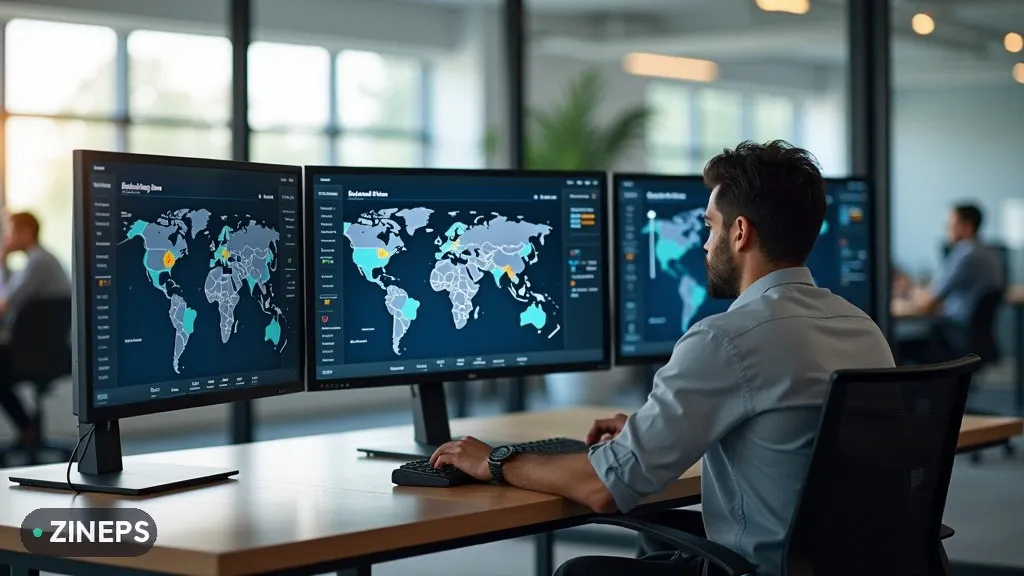
Dit is een goed voorbeeld van waarom we Zineps hebben gebouwd als een operating system voor zendingen in plaats van een trackingwidget van één vervoerder die op een webshop is geplakt. Uitzonderingsdetectie is alleen nuttig als het draait op elke bestelling, over elke vervoerder die een merk gebruikt, op het moment dat een scangebeurtenis aangeeft dat er iets mis is, niet pas zodra een klant klaagt. Binnen Zineps normaliseren vervoerdersgebeurtenissen van elke gekoppelde aanbieder zich tot één uitzonderingsfeed, gaan proactieve meldingen automatisch af zodra een zending zijn verwachte scanvenster mist, en krijgt support één scherm dat precies laat zien waar een bestelling is en wat er al is gebeurd, in plaats van tien open browsertabbladen bij tien vervoerdersportalen. Voor een merk dat zijn tweede, derde of vierde vervoerder toevoegt, is dat ene overzicht geen gemak. Het is wat het supportteam op dezelfde grootte houdt terwijl het bestelvolume blijft groeien.
Als jouw team problemen met verzending nog steeds van de klant hoort in plaats van uit de vervoerdersdata, is dat een procesgat dat het waard is om te dichten voordat het volgende piekseizoen het erger maakt. Onze eerdere uitleg over de multi-3PL aanpak behandelt de fulfilmentkant van hetzelfde probleem, en die sluit direct aan op het goed regelen van uitzonderingszichtbaarheid aan de vervoerderskant.
Een Praktische Checklist Om Het WISMO Volume Te Verlagen
- Definieer uitzonderingsdrempels per vervoerder en dienstniveau in plaats van één generieke "te laat" regel voor alles.
- Laat klantmeldingen afgaan op basis van vervoerdersscans, niet op basis van supporttickets.
- Normaliseer de statuscodes van elke vervoerder naar dezelfde interne uitzonderingscategorieën.
- Geef support één uniform overzicht over alle vervoerders in plaats van losse portaal inlogs.
- Meet WISMO percentage en terugbetalingspercentage per vervoerder, niet alleen in totaal, zodat één ondermaats presterende vervoerder zich niet kan verschuilen in het gemiddelde.
- Herzie de uitzonderingsdrempels elke keer dat je een vervoerder, een land of een nieuw dienstniveau toevoegt.
Ordertracking was nooit echt het doel. Minder klanten die iets moeten vragen, en een supportteam dat zijn tijd besteedt aan de tickets die daadwerkelijk een mens nodig hebben, dat is het doel, en een trackingpagina alleen brengt je daar niet.
Wil je zien hoe vervoerdersgebeurtenissen over je hele verzendstack kunnen veranderen in proactieve meldingen en één uitzonderingsoverzicht voor je supportteam? Neem contact op met Zineps om je vervoerders te koppelen aan één Logistics OS.