
Ship From Store: De Verzendcomplexiteit Die Schuilgaat in Jouw Omnichannel Strategie
Ship From Store: De Verzendcomplexiteit Die Schuilgaat in Jouw Omnichannel Strategie
Retailers hebben het afgelopen decennium hard gewerkt om voorraad, bestellingen en klantgegevens over elk kanaal heen als een systeem te laten werken. Online kopen, ophalen in de winkel. In de winkel kopen, de volgende dag thuis laten bezorgen. Een product gekocht op een marketplace terugbrengen bij een lokaal filiaal. Dat is de belofte van omnichannel retail, en de meeste middelgrote en grote retailers waar wij mee werken hebben daar al flinke stappen in gezet.
Wat veel minder aandacht krijgt, is wat er gebeurt op het moment dat die ene, verenigde voorraad daadwerkelijk een verzending wordt. Ship from store, het leveren van online bestellingen vanuit de dichtstbijzijnde winkel in plaats van vanuit een centraal magazijn, is in stilte een van de meest gebruikte fulfilmentmethodes in de Europese retail geworden. Het is operationeel ook een van de minst voorbereide.
Bij Zineps werken we dagelijks met retailers en fulfilmentpartners door heel Europa, en ship from store is consequent het initiatief dat er in een projectplan overzichtelijk uitziet en in week drie van de live operatie chaotisch wordt. Dit artikel legt uit waarom dat gebeurt, wat een echte verzendstrategie voor ship from store vereist, en hoe je er een bouwt die een drukke zaterdag overleeft, in plaats van alleen een presentatie.
Wat Ship From Store Precies Betekent
Ship from store begon als overloopklep. Tijdens piekperiodes en, veel ingrijpender, tijdens de winkelsluitingen in de pandemie, ontdekten retailers dat voorraad in een gesloten winkel nog steeds verkoopbare voorraad was, mits iemand die kon picken, inpakken en verzenden vanaf die locatie. Wat begon als noodoplossing is inmiddels een permanent fulfilmentkanaal geworden, omdat het een echt economisch probleem oplost. Dubbele veiligheidsvoorraad aanhouden in zowel een magazijn als elke winkel is duur, en een winkelnetwerk dat al bestaat is in feite gratis ruimte voor orderfulfilment.
Shopify omschrijft omni retail als een strategie waarbij voorraad, klantgegevens en bestellingen vanuit een systeem worden beheerd, zodat een aankoop in een fysieke winkel direct zichtbaar is in het online account van een klant, en andersom. Die definitie klopt, voor zover ze strekt. Ze beschrijft de commerciele belofte van omnichannel retail, niet de operationele. Voorraadgegevens verenigen is een softwarevraagstuk. Van die verenigde voorraad een verzending maken die op tijd en in goede staat aankomt, vanuit welke van je vijftig, tweehonderd of achthonderd locaties toevallig de voorraad heeft, is een verzendvraagstuk, en een veel lastiger.
Waarom Retailers Ship From Store Sneller Invoeren Dan Hun Verzendorganisatie Aankan
Vier krachten duwen ship from store van een leuke toevoeging naar een standaardaanname in retailplanning.
- Druk op voorraadkosten. Dezelfde SKU als veiligheidsvoorraad aanhouden in een centraal magazijn en in veertig winkels legt werkkapitaal vast dat de meeste retailers liever elders inzetten.
- Verwachtingen rond leversnelheid. Levering dezelfde dag of de volgende dag is het makkelijkst te beloven, en het lastigst te breken, wanneer de leverende locatie een paar kilometer van de klant vandaan ligt in plaats van een distributiecentrum aan de rand van het land.
- Al betaalde vastgoedkosten. De huur van winkels is al betaald. Een retailer die zijn winkels puur als showroom behandelt, laat fulfilmentcapaciteit liggen die hij al financiert.
- Druk vanuit marketplaces en platforms. Kanalen belonen steeds vaker snelle, lokale leverbeloftes met een betere plaatsing, wat retailers richting het fulfilmentknooppunt duwt dat het pakket het snelst in beweging krijgt.
De omvang van deze verschuiving is zichtbaar in de bredere groei van de Europese e-commerce zelf. Volgens de doorlopende e-commercestatistieken van Eurostat blijft de online detailhandelsverkoop in de EU jaar op jaar groeien, en fysieke retailers met een digitale winkelpui staan onder constante druk om die vraag te vervullen zonder elke keer dat het volume groeit nieuwe magazijncapaciteit te bouwen. Ship from store is het snelst beschikbare antwoord, en precies daarom wordt het ingevoerd voordat de verzendorganisatie er klaar voor is.
De Verborgen Verzendcomplexiteit van Ship From Store
Elke winkel wordt een andere verzendorigine
Een enkel magazijn geeft je een postcode van herkomst, een dockschema en een vervoerderstarief dat is onderhandeld op basis van echt volume. Ship from store geeft je zoveel origines als je deelnemende locaties, elk met een eigen adres, een eigen lokaal ophaalvenster en een veel kleiner pakketvolume. Vervoerderstarieven die zijn onderhandeld op basis van doorvoer bij een distributiecentrum passen zelden netjes op een boetiek aan een winkelstraat die vijftien pakketten per dag verstuurt, en de meeste retailers ontdekken dit pas de eerste keer dat een filiaalmanager belt om te vragen waarom het verzenden van een pakket meer kost dan het product erin.
Winkelpersoneel zijn retailexperts, geen logistieke experts
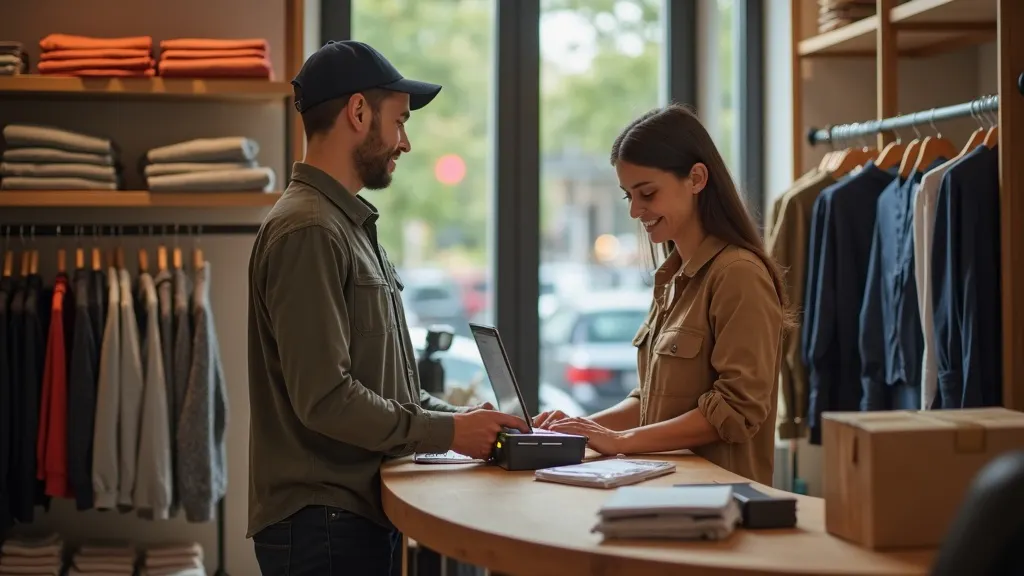
Een magazijnmedewerker is getraind op verpakkingsnormen, dimensioneel gewicht en vervoerderseisen. Een winkelmedewerker is getraind op klantenservice en presentatie, en wordt nu ook geacht een pakket correct te wegen, de juiste doos te kiezen, het juiste label te printen en te onthouden welke vervoerder wanneer ophaalt, allemaal zonder de rij bij de kassa te vertragen. Dit is geen trainingsfout van de retailer. Het is een mismatch tussen het gereedschap dat de medewerker heeft gekregen en het werk dat nu van hen wordt gevraagd.
Retouren worden ingewikkelder, niet eenvoudiger
Omnichannel retouren klinken eenvoudig in een klantgerichte FAQ. Koop online, retourneer in elke winkel. In de praktijk betekent dit dat een retour binnenkomt op een locatie die de oorspronkelijke bestelling nooit heeft verwerkt, via een ander vervoerdersaccount dan waarmee is verzonden, zonder gedeelde referentie tussen die twee gebeurtenissen, tenzij je systemen zijn gebouwd om ze te verbinden. Zonder kanaalbewuste retourroutering wordt die breuk vertraging in terugbetaling, dubbele voorraadverwerking en supporttickets die drie interne overdrachten kosten om op te lossen.
Zichtbaarheidsgaten stapelen zich op met elk toegevoegd knooppunt
Trackinggegevens die triviaal te centraliseren zijn vanuit een magazijn raken versnipperd zodra tien, vijftig of vijfhonderd winkels elk hun eigen labels genereren via wat voor lokaal systeem ze ook maar tot hun beschikking hebben. De klantenservice moet uiteindelijk meerdere systemen raadplegen om een simpele vraag te beantwoorden: waar is mijn bestelling. Dat is een kostenprobleem dat schuilgaat in wat intern werd verkocht als een verbetering van de klantervaring.
Wat een Echte Ship From Store Verzendstrategie Vereist
Retailers die ship from store op schaal laten werken, behandelen het eerst als een verzendinfrastructuurproject en pas daarna als een winkeloperatie initiatief. Vier zaken maken doorgaans het verschil tussen wie soepel opschaalt en wie blijft brandjes blussen.
- Gecentraliseerde vervoerdersorkestratie over elk knooppunt. Of een bestelling nu wordt verzonden vanuit een vlaggenschipwinkel, een buitenwijkfiliaal, een distributiecentrum of een externe fulfilmentpartner, de vervoerderskeuze zou door een regelmotor gemaakt moeten worden, niet door welk systeem toevallig openstaat op het kassascherm die dag.
- Lichte, personeelsbestendige tools op het inpakmoment. Winkelmedewerkers hebben een labelworkflow nodig die seconden kost, geen verzendconsole gebouwd voor een magazijnmedewerker, en ophaalplanning die zich automatisch aanpast aan het werkelijke dagvolume van die winkel.
- SLA's afgestemd op de echte capaciteit van de winkel, niet op de bedrijfsambitie. Een boetiek die vijftien pakketten per dag verstuurt en een vlaggenschipwinkel met tweehonderd pakketten per dag zouden niet dezelfde leverbelofte moeten hebben als de onderliggende operatie dat niet aankan.
- Een tracking- en retourenlaag ongeacht het fulfilmentknooppunt. Klanten en supportteams zouden nooit hoeven te weten, of zich druk hoeven te maken, of een bestelling vanuit een winkel of een magazijn is verzonden. De trackingervaring en het retourproces zouden er in beide gevallen identiek uit moeten zien.
Hoe Zineps Elke Winkel Zonder Chaos in een Verzendknooppunt Verandert
Dit is precies het gat dat Zineps is gebouwd om te dichten. Zineps is het Operating System for Shipments, een AI gedreven laag die tussen je verkoopkanalen, je fulfilmentlocaties en je vervoerdersnetwerk in zit, en de routering-, label- en trackingbeslissingen neemt die een groeiende retailer met meerdere knooppunten niet langer handmatig kan nemen.
Voor een ship from store netwerk betekent dit specifiek dat elke deelnemende winkel, je distributiecentrum en eventuele externe logistieke partners worden verbonden in een enkele, regelgebaseerde routeringslaag, zodat een bestelling wordt toegewezen aan de combinatie van fulfilmentlocatie en vervoerder die daadwerkelijk logisch is, gebaseerd op voorraadpositie, winkelcapaciteit en leverbelofte, in plaats van een aanname die jaren geleden hardgecodeerd is in je ordermanagementsysteem. Het betekent dat winkelpersoneel een labelworkflow krijgt die simpel genoeg is om tussen klanten door bij de kassa te gebruiken, met vervoerdersophalingen die automatisch worden ingepland op basis van het echte bestelvolume in plaats van een vaste bedrijfskalender. En het betekent een enkele, uniforme tracking- en retourervaring voor de klant, ongeacht welke van je locaties die dag toevallig de voorraad had.
Retailers die hybride fulfilmentnetwerken draaien, een combinatie van winkels, magazijnen en 3PL-partners, gebruiken Zineps om wat vroeger een spreadsheet vol handmatige uitzonderingen was, om te zetten in een enkele geautomatiseerde operationele laag. Het resultaat is niet alleen minder supporttickets. Het is het vermogen om steeds meer fulfilmentknooppunten toe te voegen, winkels, partners, microhubs, zonder het personeelsbestand evenredig mee te laten groeien met de complexiteit.
Een Snel Framework: Is Jouw Retailnetwerk Klaar voor Ship From Store?
Stap 1: Breng elke locatie in kaart die een online bestelling zou kunnen vervullen, met de realistische dagelijkse verzendcapaciteit, niet het theoretische maximum.
Stap 2: Toets je huidige vervoerderstarieven aan het werkelijke pakketvolume per winkel, niet aan het gemiddelde magazijnvolume.
Stap 3: Geef winkelpersoneel een verzendtool gebouwd voor een kassabalie, niet voor een laaddok.
Stap 4: Bouw kanaalbewuste retourroutering voordat je live gaat, niet nadat de eerste boze klantmail binnenkomt.
Stap 5: Centraliseer tracking en vervoerdersorkestratie over elk knooppunt vanaf dag een, zodat het netwerk kan groeien zonder een herbouw bij winkel nummer vijftig.
De Conclusie
Ship from store is geen fulfilmenttrend die vervaagt. Het is een permanent, verstandig antwoord op een echt economisch probleem, en de meeste retailnetwerken in Europa zullen binnen een paar jaar een versie ervan draaien, als ze dat al niet doen. De retailers die er profijt van hebben, zijn degenen die het vanaf dag een als een verzendinfrastructuurbeslissing behandelen, niet als een bijzaak van de winkeloperatie.
Zineps geeft retailers en logistieke teams de infrastructuur om elke winkel om te zetten in een betrouwbaar verzendknooppunt: gecentraliseerde vervoerdersorkestratie, personeelsbestendige labelworkflows, kanaalbewuste retouren en uniforme tracking over elke locatie en elke partner heen. Of je ship from store nu test in tien winkels of fulfilment coordineert over tweehonderd locaties en een distributiecentrum, Zineps is het Operating System for Shipments dat elk knooppunt gelijk laat opgaan.