
Return Prevention as a Shipping Strategy: What Zalando's Award Winning Fitting Room Means for E-commerce Logistics in 2026
Return Prevention as a Shipping Strategy: What Zalando's Award Winning Fitting Room Means for E-commerce Logistics in 2026
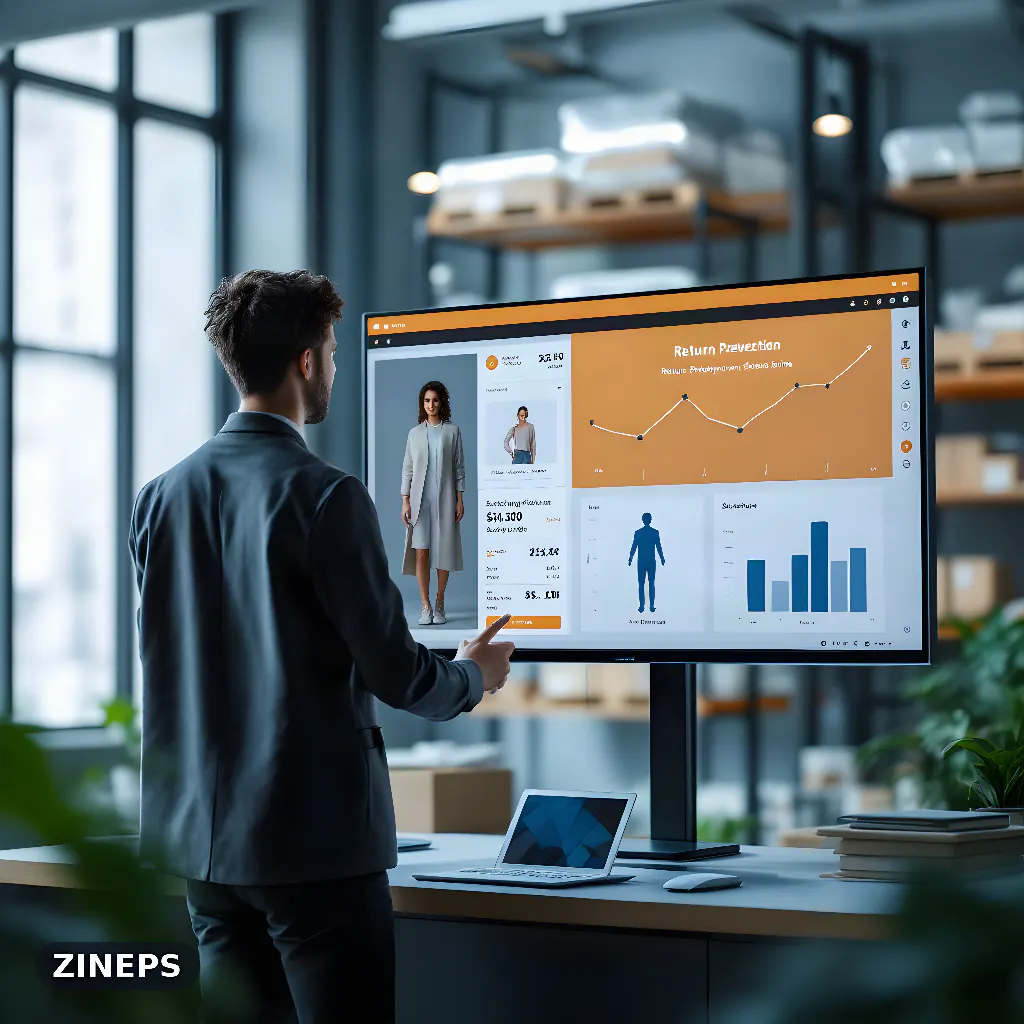
In April 2026, Zalando picked up the PostNL Innovation and AI Award at the Dutch Shopping Awards for its virtual fitting room, a tool that builds a 3D avatar from a customer's own body measurements and recommends the right size before checkout. Most of the coverage treated it as a customer experience story: fewer awkward returns, happier shoppers, a smoother path to purchase. That framing misses the part of the story that should matter most to anyone running shipping operations. Every size related return that never happens is a shipment that never gets created, a label that never gets printed, and a reverse logistics cost that never lands on the books. Return prevention is not a customer experience feature wearing a technology costume. It is a shipping cost strategy, and most e-commerce organizations are still not set up to measure it that way.
Zalando's own reporting on its size and fit technology credits size advice with reducing size related returns by 10 percent compared to items sold without it. The 3D avatar fitting room that won the PostNL award this year, now live in 14 European countries and starting with a Levi's assortment of shirts, jackets and hoodies, is the next generation of that same body measurement work, first introduced in 2023 and expanded steadily since. This is not a single flashy feature. It is a multi year investment in preventing a specific category of return before it happens, and it is one of the clearest examples in European retail of what return prevention actually looks like in practice.
The scale of what is being prevented is worth sitting with. According to the National Retail Federation's 2025 Retail Returns Landscape report, produced with Happy Returns, the average e-commerce return rate across categories sits at 19.3 percent, and retailers expected to process nearly 850 billion dollars in returned merchandise in 2025 alone. Apparel sits at the sharp end of that curve, with clothing return rates commonly running between 20 and 40 percent depending on category and market, and clothing alone accounting for well over half of all e-commerce returns industry wide. Every one of those returns starts as an outbound shipment, gets picked, packed and carried to a customer's door, then reverses into an inbound shipment, a receiving and inspection process, and in a meaningful share of cases, a markdown or a write off. Fit and sizing uncertainty is consistently cited as one of the two or three largest reasons apparel shoppers send an order back, alongside items not matching their description and simple changed minds.
Why This Is a Logistics Problem Wearing a UX Costume
Most organizations assign return prevention initiatives to whichever team owns the product page or the checkout flow, because that is where the customer facing symptom shows up. That assignment makes sense for measuring conversion and satisfaction, but it quietly disconnects the initiative from the team that feels its financial impact first: shipping and logistics. A size guide, a fit quiz, an AI avatar or a virtual try on tool does not change how a warehouse picks or how a carrier bills. What it changes is shipment volume, and shipment volume is the single input that shipping teams spend the most time forecasting, budgeting for and negotiating carrier rates against.
When a return prevention initiative works, the effect shows up first as a small, gradual decline in reverse logistics volume for the affected product lines, well before it appears in any customer satisfaction survey or refund report. That decline changes carrier volume commitments, warehouse labor planning for the returns desk, and the packaging and restocking costs tied to processing an item a second time. Almost none of that is visible to the team that built the sizing tool, because the systems that show shipment volume and carrier cost typically live entirely apart from the systems that show product page conversion and customer experience metrics.
The Math Shipping Teams Should Be Running
Put a number on it, and the case for treating return prevention as a shipping initiative becomes concrete rather than aspirational. For any product line where a sizing or fit tool is live, the shipping cost avoided per prevented return is the sum of four line items: the inbound return label a customer would have used, the outbound label for whatever replacement or reorder would likely have followed, the warehouse labor to receive, inspect and restock the returned unit, and the pro rata share of inventory that ends up marked down or written off rather than resold at full price. For a mid sized apparel brand shipping tens of thousands of parcels a month, shaving even a few percentage points off the size related share of a 20 to 40 percent return rate is not a rounding error. It is a shipping budget line, and it deserves to be modeled before a fit tool is greenlit rather than discovered by accident during a quarterly carrier invoice review.
This is the exact accounting habit we try to build into how shipping teams work with Zineps, because we see the disconnect from the other side of the business every day, inside the shipping and fulfillment teams whose carrier costs move whenever a return prevention initiative lands, often without anyone connecting the two.
Beyond Apparel, the Same Pattern Keeps Repeating
This is not a story unique to clothing sizes. Fit Analytics, the size recommendation technology Zalando built and continues to develop, already powers sizing widgets on hundreds of other retail websites beyond Zalando itself, which shows how quickly prevention technology spreads once a category proves it pays for itself in avoided shipments rather than just improved reviews. Address validation tools that catch a malformed delivery address before a label is printed prevent a failed delivery and a costly reattempt. Accurate, carrier data driven delivery date estimates at checkout reduce the flood of where is my order tickets and the refund requests that follow a missed promise, a pattern we broke down in detail when we looked at what actually drives estimated delivery date accuracy at checkout and its knock on effect on support volume through WISMO ticket exceptions. Sizing and fit tools sit in exactly the same category: a small intervention early in the customer journey that quietly removes cost from the shipping and reverse logistics chain later, if anyone bothers to trace the line between the two.
The brands getting this right treat prevention as a cross functional shipping metric, not a UX win reported once and forgotten. They ask their sizing tool vendor for size related return rate by SKU, feed that number into the same dashboard that tracks carrier spend and reverse logistics volume, and treat a falling size return rate as a leading indicator for a shrinking reverse logistics bill, the same way they would treat a carrier rate increase as a leading indicator for a rising one. We looked at a related version of this discipline when we examined why most e-commerce returns actually lose money long after the refund has already been issued, which is precisely the blind spot a prevention first approach is designed to close.
A Checklist for Connecting Fit Technology to Shipping Cost
- Pull size related return reason codes by SKU and channel, not just an aggregate return rate, so you can isolate what a fit tool is actually preventing from what a seasonal buying pattern or a promotion is driving instead.
- Establish a baseline reverse logistics cost per prevented return before launch, covering the inbound label, the outbound replacement label, warehouse handling and the expected markdown loss, so you have a real number to defend the tool's return on investment later.
- Route size related return data into the same reporting layer as carrier spend and reverse logistics volume, rather than leaving it inside a separate merchandising or customer experience dashboard where the shipping team never sees it.
- Track the metric by product line and market separately, since fit tool coverage, sizing conventions and return culture vary enough across European markets that a single blended number will hide where the tool is working and where it is not.
- Revisit carrier volume commitments and reverse logistics staffing on a quarterly cycle as size related return rates shift, instead of treating carrier contracts as fixed inputs that have nothing to do with product page investment.
What This Means for Fashion and Apparel Fulfillment Specifically
Apparel brands carry a particular version of this challenge because fit uncertainty compounds with everything else that already makes clothing hard to fulfill and ship profitably: size and color variant proliferation, seasonal demand swings, and the reality that a returned garment often cannot simply go back on the shelf at full price. We have written before about the shipping gap that persists even when an apparel brand has picked a strong third party logistics partner, and reducing size driven returns at the source is one of the few levers that improves the economics on both sides of that gap at once, cutting outbound reshipment volume and inbound reverse logistics volume together.
None of this argues against investing in fit technology. It argues for measuring it correctly. A virtual fitting room that wins an innovation award and genuinely reduces size related returns is doing real, quantifiable work for a shipping budget, and that work deserves to be tracked, reported and defended in the same conversation as carrier contract negotiations, not filed away as a customer experience anecdote.
How Zineps Fits Into This Picture
As the Operating System for Shipments, Zineps sits at the point where every one of these prevention efforts eventually has to prove itself: the shipment. We connect carrier data, warehouse and fulfillment activity, and return volume into one operational view, so a falling size related return rate shows up immediately as a falling reverse logistics cost line rather than an isolated customer experience metric nobody on the shipping side ever sees. For brands running fit tools, sizing quizzes or virtual try on features, that connection is what turns a marketing win into a defensible shipping cost saving, with the data to prove it the next time a carrier contract or a fulfillment budget comes up for review.
The Bottom Line
An award for a fitting room is a nice headline. The real story is a shipping line item, and it belongs on the shipping team's dashboard, not just the product team's slide deck. As more European retailers follow Zalando's lead and treat sizing accuracy as a serious investment rather than a nice to have, the brands that win will be the ones that can trace the line all the way from a prevented return to an avoided shipment to a measurable drop in carrier cost, and use that data to keep investing where it actually pays off.