
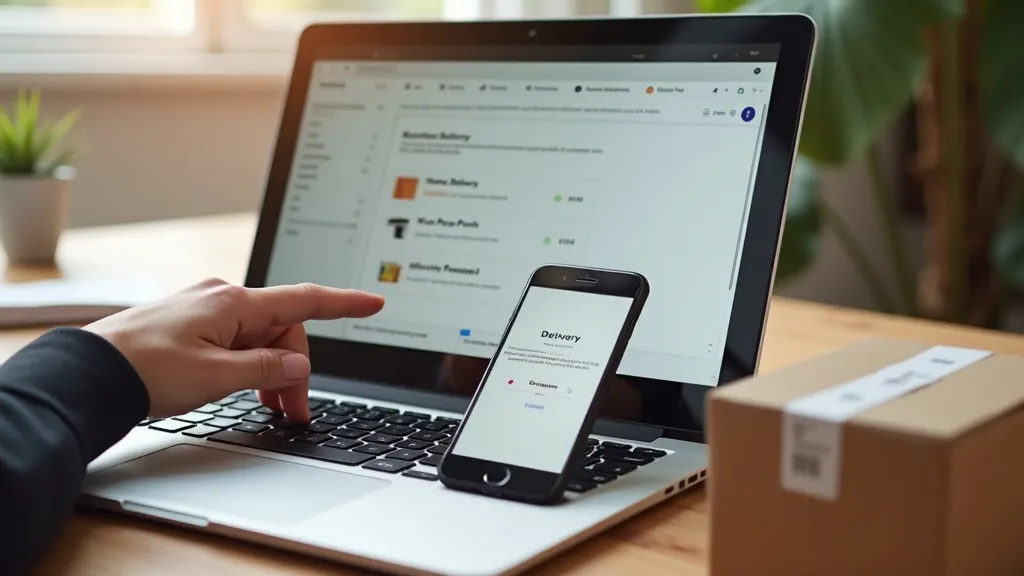
Verzendopties in de Checkout: De Conversiehefboom die E-Commerce Merken Over het Hoofd Zien
Verzendopties in de Checkout: De Conversiehefboom die E-Commerce Merken Over het Hoofd Zien
De meeste e-commerce teams behandelen de checkout als een betaalprobleem. Ze steken maanden in one click betaalknoppen, gastcheckout en vertrouwenslogo's naast de koopknop, terwijl de verzendmethode onderaan de pagina als bijzaak wordt getoond, meestal als één vast tarief zonder echte keuze. Dat is een dure gewoonte, en de cijfers waarom zijn niet mals.
Volgens het E-Commerce Trends Report 2025 van DHL, gebaseerd op antwoorden van 24.000 shoppers in 24 landen, haakt 81 procent van de consumenten af als hun voorkeurs bezorgoptie niet beschikbaar is in de checkout. Dat ene cijfer zou moeten veranderen hoe groei en logistiek teams naar de checkoutpagina kijken. Verzendkeuze is geen detail van de fulfilmentafdeling. Het is een van de grootste, meest over het hoofd geziene conversiehefbomen in e-commerce, en die verschijnt precies op het moment dat een klant al besloten heeft te kopen.
Dit artikel laat zien waarom verzendkeuze in de checkout belangrijker is dan de meeste teams denken, wat echte keuze er in de praktijk uitziet, waarom zoveel e-commerce merken dit nog steeds niet bieden, en hoe je een checkout bouwt die shoppers echte flexibiliteit geeft zonder vast te lopen op de operationele complexiteit.
De Echte Kosten van een Checkout Zonder Verzendkeuze
Winkelwagenverlating schommelt al jaren hardnekkig rond de 70 procent branchebreed, en het Baymard Institute heeft een van de meest geciteerde onderzoeken naar waarom. Hun doorlopende checkout benchmark zet het gemiddelde verlatingspercentage op 70,19 procent, en 18 procent van de Amerikaanse shoppers zegt een bestelling te hebben afgebroken specifiek omdat het checkoutproces te lang of te ingewikkeld aanvoelde. Verzendkeuze zit middenin die complexiteit. Als een shopper geen bezorgdatum, kosten of methode ziet die aansluit bij zijn verwachting, voelt checkout niet meer simpel, ongeacht hoe weinig betaalvelden er op de pagina staan.
Twee extra cijfers maken de omvang van de kans concreet. Onderzoek van Baymard toont dat het simpelweg tonen van een verwachte bezorgdatum in de checkout, in plaats van shoppers te laten gissen, de verlating met ongeveer 9 procent verlaagt. Daarnaast vond het 2025 State of Post-Purchase Report van Narvar, gebaseerd op een onderzoek onder 3.461 Amerikaanse online shoppers, dat 73 procent zegt dat een zichtbare geschatte bezorgdatum direct hun aankoopbeslissing beïnvloedt, en dat 40 procent helemaal geen aankoop afrondt als er geen bezorgdatum wordt getoond.
In de verzenddata die we zien bij e-commerce merken die op Zineps draaien, is het patroon achter deze cijfers consistent. Merken die echte verzendkeuze bieden, oftewel een nauwkeurige datum, een echte vervoerdersoptie en een volwaardig ophaalalternatief, converteren niet alleen beter op de eerste bestelling. Ze zien ook sterker herhaalaankoopgedrag, omdat de bezorgervaring het eerste tastbare bewijs wordt dat het merk zijn beloftes nakomt. Een kortingscode zorgt voor een eerste bestelling. Een levering die precies op tijd aankomt zoals beloofd, zorgt voor een tweede.
Wat Verzendkeuze in de Praktijk Echt Betekent
Een dropdown met één vast verzendtarief is geen verzendkeuze, ook al kan een shopper technisch gezien op een knop klikken. Echte keuze in de checkout heeft drie onderdelen, en de meeste checkouts doen hoogstens een van de drie goed.
Keuze van Vervoerder
Verschillende vervoerders presteren anders per regio, postcode en seizoen. Een vervoerder die betrouwbaar levert in de stadscentra van het ene land, kan de zwakste presteerder zijn in de landelijke postcodes van een buurland tijdens het hoogseizoen. Een shopper, of een regelmotor die namens hem beslist, laten kiezen tussen vervoerders op basis van echte prestatiedata in plaats van één standaardcontract, is het verschil tussen een leverbelofte die je echt kunt waarmaken en een die je hoopt vol te houden.
Keuze van Snelheid en Timing
Niet elke shopper wil de snelste optie, en dat aannemen is een veelvoorkomende en kostbare vergissing. Sommigen betalen graag meer voor levering de volgende dag of op een specifieke datum. Anderen wachten net zo lief een paar dagen langer voor lagere kosten of een duurzamere optie, als die afweging zichtbaar wordt gemaakt in plaats van verstopt achter één standaardtarief. Die afweging zichtbaar maken, in plaats van hem voor de shopper te beslissen, is wat een verzendtarief tot een echte keuze maakt.
Keuze van Locatie: Thuisbezorging versus Out-of-Home
Out-of-home bezorging, oftewel pakketautomaten en afhaalpunten, is in Europa verschoven van een nichevoorkeur naar de mainstream, en we behandelen de operationele kant van het opbouwen van dat netwerk in onze gids over out-of-home bezorging en PUDO-punten. In de checkout is locatiekeuze belangrijk omdat het vaak de snelste en betrouwbaarste optie is, niet alleen de meest duurzame, en checkouts die dit verstoppen achter een standaard thuisbezorging laten zowel conversie als bezorgsucces liggen.
Waarom Zo Weinig Checkouts Dit Waarmaken
Als het argument voor verzendkeuze zo sterk is, is de logische vraag waarom de meeste e-commerce checkouts nog steeds één vast tarief tonen. Het eerlijke antwoord heeft weinig met strategie te maken en alles met loodgieterswerk.
Tarief en capaciteitsdata staan meestal in aparte systemen per vervoerder, dus drie echte, nauwkeurige opties tonen in de checkout betekent integreren met drie afzonderlijke vervoerders API's, elk met een eigen dataformaat, uptime en tariefstructuur. De meeste webshops lossen dit op door één vervoerdersrelatie te kiezen en die overal als standaard te gebruiken, wat operationeel simpel is maar commercieel beperkend tegelijk. Adres naar optie logica voegt een tweede laag toe, omdat de juiste set opties echt verandert per postcode, pakketgewicht en actuele vervoerdersprestatie, en een statische checkoutconfiguratie kan daar niets van weergeven. Een begrijpelijke angst voor keuzestress duwt sommige teams ertoe de keuze terug te brengen tot één optie, terwijl het onderzoek juist de andere kant op wijst. Het probleem is zelden te veel keuze. Het is ongefilterde keuze, een lange lijst vervoerders en diensten zonder enige richting over welke bij de specifieke bestelling van de shopper past.
Hoe Je Echte Keuze Biedt Zonder de Shopper te Overweldigen
De checkouts die het beste converteren tonen niet elke beschikbare optie. Ze tonen twee tot vier zorgvuldig samengestelde opties, dynamisch gegenereerd op basis van live data in plaats van een vaste lijst, en elke optie verschilt echt op prijs, snelheid of gemak zodat de keuze betekenisvol aanvoelt in plaats van decoratief. Dit sluit nauw aan bij wat we bespreken in ons artikel over leveringspersonalisatie als groeihefboom, waar hetzelfde principe geldt voor de bredere ervaring na aankoop, niet alleen het checkoutmoment zelf.
Een Praktisch Stappenplan voor een Checkout die Converteert op Verzending
- Toets je huidige checkout aan één vraag: kan een shopper een nauwkeurige bezorgdatum zien, een echt kostenverschil tussen opties, en minstens één out-of-home alternatief, voordat hij betaalgegevens invoert.
- Breng bezorgprestaties in kaart per postcode en vervoerder, niet alleen per contract. De vervoerder die je volume wint op prijs is niet per se de vervoerder die op tijd levert in elke regio waar je naartoe verzendt.
- Koppel tarief en capaciteitsdata live in plaats van te vertrouwen op een statische tarieftabel die verouderd is zodra een vervoerder de prijzen wijzigt of een regio tegen capaciteitsgrenzen aanloopt in het hoogseizoen.
- Beperk de checkout tot twee tot vier opties die per bestelling dynamisch worden gegenereerd, gerangschikt naar relevantie voor het specifieke adres en pakket van die shopper, niet naar een vaste volgorde die eenmalig is ingesteld en daarna vergeten.
- Behandel de ervaring na aankoop als onderdeel van dezelfde flow. Een bezorgdatum getoond in de checkout moet overeenkomen met de trackingupdate die de shopper een uur later ziet, anders verdwijnt het vertrouwen dat in de checkout is gewonnen meteen weer.
Hoe Zineps Verzendkeuze in de Checkout Operationeel Waarmaakt
Zineps is gebouwd als het Operating System for Shipments, en verzendkeuze in de checkout is een van de duidelijkste voorbeelden van waarom die uniforme laag ertoe doet. In plaats van elke vervoerder apart in je checkout te integreren, verbindt Zineps je volledige vervoerdersnetwerk, inclusief regionale en out-of-home partners, achter één laag, zodat de checkout live tarieven, live capaciteit en live bezorgschattingen kan opvragen in één aanroep in plaats van drie of vier.
Omdat diezelfde laag tracking en vervoerdersprestatiedata na de verkoop aanstuurt, is de bezorgdatum die in de checkout wordt getoond opgebouwd uit dezelfde real time data als de datum op de trackingpagina na aankoop, en niet een aparte statische schatting die geleidelijk uit de pas kan gaan lopen. Routeringsregels kunnen automatisch de vervoerder met het beste actuele op tijd record voor een specifieke postcode prioriteren, zodat de opties die een shopper in de checkout ziet al gefilterd zijn op de opties die het meest waarschijnlijk worden waargemaakt, in plaats van een volledige lijst die hij zelf moet beoordelen.
Maak van de Checkout een Retentiekanaal, Niet Alleen een Kostenpost
De meeste e-commerce teams weten al dat de bezorgervaring loyaliteit bepaalt na de verkoop. Minder teams behandelen verzendkeuze in de checkout met diezelfde ernst, ook al is dat het eerste moment waarop die ervaring begint. Dit oplossen betekent niet dat je je hele checkout moet vervangen. Het betekent dat je de vervoerders en bezorgdata die al in je logistieke operatie bestaan, koppelt aan het moment waarop je shopper beslist of hij je zijn bestelling toevertrouwt.
Als je checkout nog steeds één vast tarief toont omdat het integreren van meer vervoerders en out-of-home opties te veel operationele rompslomp leek, ontdek dan hoe het Zineps platform vervoerdersverbindingen, live tarieven en bezorgschattingen achter één laag verenigt, zodat echte keuze in de checkout een configuratiebeslissing wordt in plaats van een integratieproject met meerdere vervoerders.