
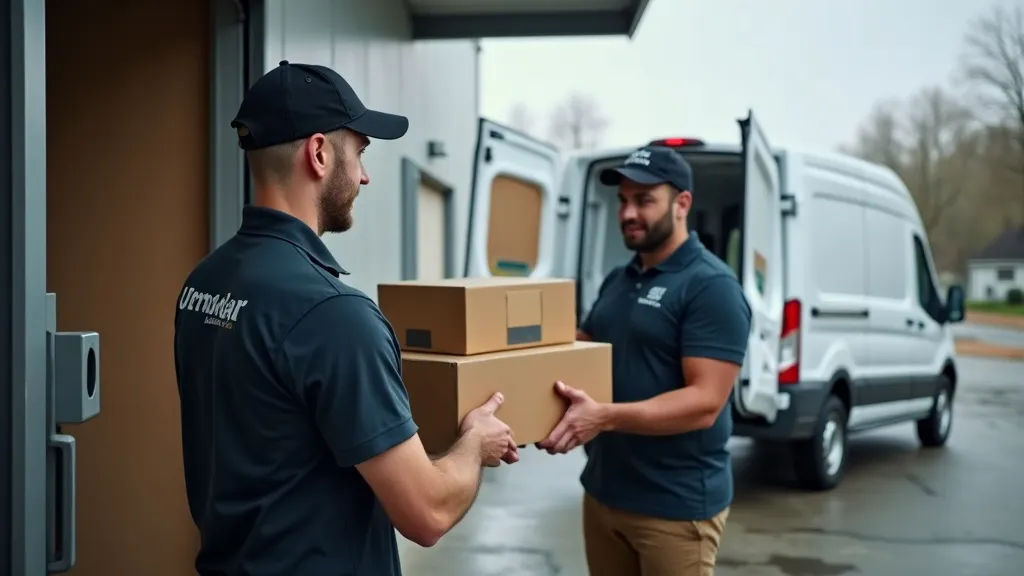
De Ophaalblinde Vlek: Waarom Gemiste Pickups Stilletjes de Bezorgbelofte van E-Commerce Breken
Elk verzenddashboard in e-commerce houdt twee momenten nauwlettend in de gaten: het moment waarop een verzendlabel wordt aangemaakt en het moment waarop een klant voor zijn pakket tekent. Tussen die twee momenten zit een stap die bijna niemand goed in de gaten houdt, namelijk het moment waarop een vervoerder het pakket daadwerkelijk ophaalt bij het magazijn. Als die ophaalronde misgaat, omdat een chauffeur uitloopt, een route wordt herverdeeld of een depot te weinig personeel heeft, is de bezorgbelofte aan de klant al gebroken voordat het pakket het gebouw heeft verlaten. Op het dashboard staat echter gewoon verzonden, dus niemand merkt iets tot een klant begint te vragen waar de bestelling blijft.
Dit is de ophaalblinde vlek, en het is in stilte een van de duurste gaten in moderne e-commerce fulfilment. Niet omdat vervoerders onbetrouwbaar zijn, de meeste Europese vervoerders halen hun geplande ophaalvensters in de overgrote meerderheid van de gevallen keurig, maar omdat die ene keer op de twintig of dertig dat het misgaat, bijna geen enkele verzendopzet is gebouwd om het op te merken, laat staan erop te reageren.
De verzendvolumes in de Europese e-commerce blijven jaar op jaar groeien, en daarmee ook het aantal geplande ophaalmomenten dat een magazijn op een gewone dag moet beheren. Die groei is goed nieuws voor verkopers, maar het betekent ook dat de ophaalstap, ooit een simpele overdracht tussen één magazijn en één vaste chauffeur, nu betrouwbaar moet werken over meerdere vervoerders, meerdere ophaalvensters en soms meerdere depots voor één snelgroeiend merk.
Stel je een middelgrote webshop voor die op een gewone dinsdag tweehonderd pakketten verstuurt via twee vervoerders. Als de middagophaalronde van één vervoerder wordt overgeslagen omdat het lokale depot een chauffeur tekortkomt, verlaat ruwweg de helft van dat dagvolume het pand pas de volgende ochtend. Elk van die tweehonderd bestellingen laat de klant nog steeds verzonden zien. Niets in het warehouse management systeem maakt onderscheid tussen het pakket dat daadwerkelijk in een bestelwagen is meegereden en het pakket dat nog op een pallet bij de deur staat.
Wat er precies gebeurt als een ophaalronde wordt gemist
Het mechanisme is simpel, en precies daarom blijft het probleem zo goed verborgen. Een magazijnteam print labels in een batch, zet de pakketten klaar bij de dock en wacht op het geplande ophaalvenster, vaak een tijdslot van een of twee uur afgesproken met de vervoerder. Komt de chauffeur op tijd, dan worden de pakketten gescand op de manifestlijst en gaat de zending officieel het vervoerdersnetwerk in. Komt de chauffeur niet, door een voertuigprobleem, een omgelegde route of simpelweg te veel stops eerder op de dag, dan blijven de pakketten precies liggen waar ze zijn neergezet. Bijna niets in een gangbaar webshopplatform signaleert dit. De orderstatus stond al op verzonden op het moment dat het label werd geprint, waardoor het systeem geen onderscheid kan maken tussen een pakket dat daadwerkelijk door het netwerk beweegt en een pakket dat sinds de vorige middag op een dock ligt.
Bij één gemiste pickup lijkt de schade klein. Vermenigvuldig dat over een volledige manifestlijst in een drukke week, en één gemiste ophaalronde kan tientallen tot honderden bestellingen een volledige dag vertragen, terwijl elk intern systeem ze gewoon als verzonden en op schema blijft tonen.
Waarom het gat groter wordt in plaats van kleiner
Onderzoekers die verstoringen in logistieke dienstverlening bestuderen, richten zich steeds vaker specifiek op storingen in de eerste kilometer, en met reden: een verstoring in de eerste kilometer werkt door in veel meer van de bezorgketen dan een enkele fout in de laatste kilometer.
Drie trends maken dit specifiek erger voor e-commerce verkopers. Multi-carrier strategieën, inmiddels standaardpraktijk voor elk merk dat naar meer dan één land verzendt, vermenigvuldigen het aantal ophaalschema's dat een magazijn moet bijhouden, elk met een eigen cutoff tijd en een eigen portaal om te controleren. Personeelstekorten bij chauffeurs en depots, breed gedocumenteerd binnen Europese pakketnetwerken van de afgelopen jaren, maken gemiste of vertraagde ophaalvensters juist waarschijnlijker precies wanneer de ordervolumes het hoogst zijn. En piekperiodes, samen met het seizoensgebonden weer en de verkeersverstoring die daarbij vaak hoort, concentreren al dat risico exact in de weken waarin een vertraagde zending de meeste schade toebrengt aan het vertrouwen van klanten.
De echte kosten van een onzichtbaar gemiste pickup
Het is de moeite waard dit te vergelijken met een probleem dat de sector al goed meet. Mislukte bezorgpogingen in de laatste kilometer worden algemeen geschat op vijftien tot twintig euro per geval, zodra herbezorging, klantenservicetijd en gemiste herhaalaankopen zijn meegerekend. Een gemiste ophaalronde is per incident waarschijnlijk nog duurder, om twee redenen. Ten eerste raakt het meestal een volledige batch pakketten in plaats van één adres, waardoor de kosten zich direct vermenigvuldigen. Ten tweede, omdat de storing optreedt voordat het pakket het gevolgde netwerk van de vervoerder is binnengekomen, hebben de automatische uitzonderingsmeldingen die een vastzittende zending signaleren, niets om op te reageren. Het pakket zit niet vast onderweg. Het is nooit vertrokken.
De klantenservicekosten maken dit nog erger. Een klant die een bericht stuurt over een bestelling die verzonden toont maar twee dagen niet is bewogen, is een lastiger ticket om op te lossen dan een gewone vertraging, omdat de medewerker meestal ook niets kan zien wat er mis is. Zonder zicht op de ophaalstatus is de klacht van de klant meestal het eerste signaal, wat betekent dat het bedrijf zijn eigen fulfilmentprobleem ontdekt via de persoon die het heeft benadeeld.
Dit is ook waarom het probleem zoveel verder gezonde operaties overleeft. Magazijnteams worden beoordeeld op pick en pack snelheid, vervoerders worden beoordeeld op bezorgprestaties zodra een pakket in hun netwerk zit, en bijna niemand wordt expliciet beoordeeld op de overdracht daartussen. Een gat zonder duidelijke eigenaar blijft meestal een gat, hoe goed elke kant er ook individueel voor staat.
Een laag van ophaalzichtbaarheid bouwen
Dit gat dichten vereist geen nieuwe vervoerdersrelatie of een herontwerp van het magazijn. Het vereist dat ophaalbevestiging als een gevolgd event wordt behandeld, met dezelfde ernst als bezorgbevestiging. In de praktijk betekent dat:
- Ophaalscans per vervoerder en per ophaalvenster monitoren, in plaats van te vertrouwen op de verzonden status die wordt gezet zodra een label wordt aangemaakt.
- Een interne norm instellen voor hoeveel tijd acceptabel is tussen een gepland ophaalvenster en een bevestigde ophaalscan voordat iemand een melding krijgt.
- Een gedocumenteerde noodoplossing aanhouden, of dat nu een tweede vervoerder achter de hand is of een dichtbijgelegen afleverpunt, voor pakketten die hun geplande ophaalronde missen.
- Ophaalbetrouwbaarheid per vervoerder over tijd bijhouden, op dezelfde manier als bezorgprestaties al worden gevolgd, zodat terugkerende probleemroutes of depots zichtbaar worden in plaats van anekdotisch.
- Klantenservice inzicht geven in de ophaalstatus voordat een klant ernaar hoeft te vragen, zodat een vertraagde pickup proactief kan worden gecommuniceerd in plaats van defensief ontdekt.
Hoe Zineps hierin past
Dit is precies het soort gat waarvoor een Logistics OS is gebouwd. Zineps behandelt ophaalgebeurtenissen van vervoerders als een volwaardig onderdeel van zendingstracking in plaats van een bijzaak die verstopt zit in een apart vervoerdersportaal, en doet dit over elke vervoerder die een verkoper gebruikt, zodat een manifestlijst die niet binnen het verwachte venster als opgehaald is gescand automatisch wordt gemarkeerd in plaats van stilletjes te verouderen op een dock. Gecombineerd met de realtime vervoerdersdata die Zineps al toepast op bezorgtracking, krijgen verkopers één doorlopend overzicht vanaf het moment dat een label wordt aangemaakt tot het moment dat een klant voor zijn pakket tekent, zonder blinde vlek ertussen. Waar een gefragmenteerde verzendstack een magazijnteam dwingt om drie of vier vervoerdersportalen te checken om te bevestigen dat een batch daadwerkelijk is vertrokken, brengt een geïntegreerde verzendstack dat samen in één dashboard en één melding.
Voor verkopers die al vertrouwen op realtime vervoerderstrackingdata om bezorgbeloftes te managen, is het uitbreiden van diezelfde discipline één stap eerder, naar het moment van ophalen, de laatste grote leemte die een geprint label scheidt van een vervulde bestelling. Het is een kleine operationele aanpassing met een onevenredig groot effect op het aantal WISMO tickets dat een supportteam moet afhandelen, precies in de weken waarin ze dat het minst kunnen gebruiken.
Veelgestelde vragen
Hoe weet ik of mijn vervoerder een geplande ophaalronde heeft gemist?
De meeste vervoerderssystemen genereren een ophaal- of manifestscan zodra een chauffeur een batch pakketten ophaalt. Het probleem is niet dat deze data niet bestaat, het is dat de meeste webshopplatforms deze nooit binnenhalen en gewoon verzonden tonen vanaf het moment dat een label wordt aangemaakt, ongeacht of het pakket het pand daadwerkelijk heeft verlaten. Handmatig het portaal van de vervoerder controleren is de oplossing waar de meeste magazijnen vandaag op terugvallen, wat werkt maar niet schaalt voorbij een of twee vervoerders.
Telt een gemiste ophaalronde mee tegen mijn bezorgbelofte?
In de praktijk wel, ook al zijn de meeste bezorgbeloftes geschreven rond transporttijd in plaats van ophaaltijd. Een klant aan wie bezorging binnen twee werkdagen is beloofd, rekent vanaf de dag van bestellen, niet vanaf de dag dat het pakket daadwerkelijk het vervoerdersnetwerk binnenkwam, dus elke vertraging bij het ophalen vreet direct in die belofte, nog voordat de zending is begonnen te bewegen.
Kan ik een backupvervoerder inrichten voor gemiste pickups?
Ja, en het is een van de effectievere oplossingen zonder bestaande vervoerderscontracten opnieuw te hoeven onderhandelen. Een tweede vervoerder klaar en geconfigureerd houden voor overloop of noodophaal, met een duidelijke interne regel voor wanneer die wordt ingezet, maakt van een gemiste pickup een herstel binnen dezelfde dag in plaats van een vertraging van een volledige dag. Dit is aanzienlijk eenvoudiger te beheren met een verzendopzet die meerdere vervoerders al als inwisselbare opties behandelt in plaats van één hoofdintegratie met een los aangeplakte backup.