
Wat Wehkamp's Turnaround Betekent voor Multi-Brand E-Commerce Fulfilment
Op 13 juli 2026 rondde Omoda Brands de overname van Wehkamp af, nadat de ACM groen licht had gegeven. Een paar dagen later vertelden Wehkamps jaarcijfers een verhaal dat logistieke teams goed moeten lezen. De omzet groeide twee procent naar 525 miljoen euro, de eerste groei die de retailer sinds 2021 liet zien. De aangepaste EBITDA steeg met bijna twintig procent naar 27,1 miljoen euro, en het operationeel resultaat draaide van een verlies van 2,1 miljoen euro naar een winst van 3,9 miljoen euro. Omoda noemde het een sterke operationele en financiële turnaround. De meeste berichtgeving noemde dit een comeback in retail. Onder de oppervlakte is het vooral een fulfilmentverhaal, en het zegt veel over waar e-commerce logistiek in 2026 naartoe beweegt.
Een Distributiecentrum Wordt de Kop van het Verhaal
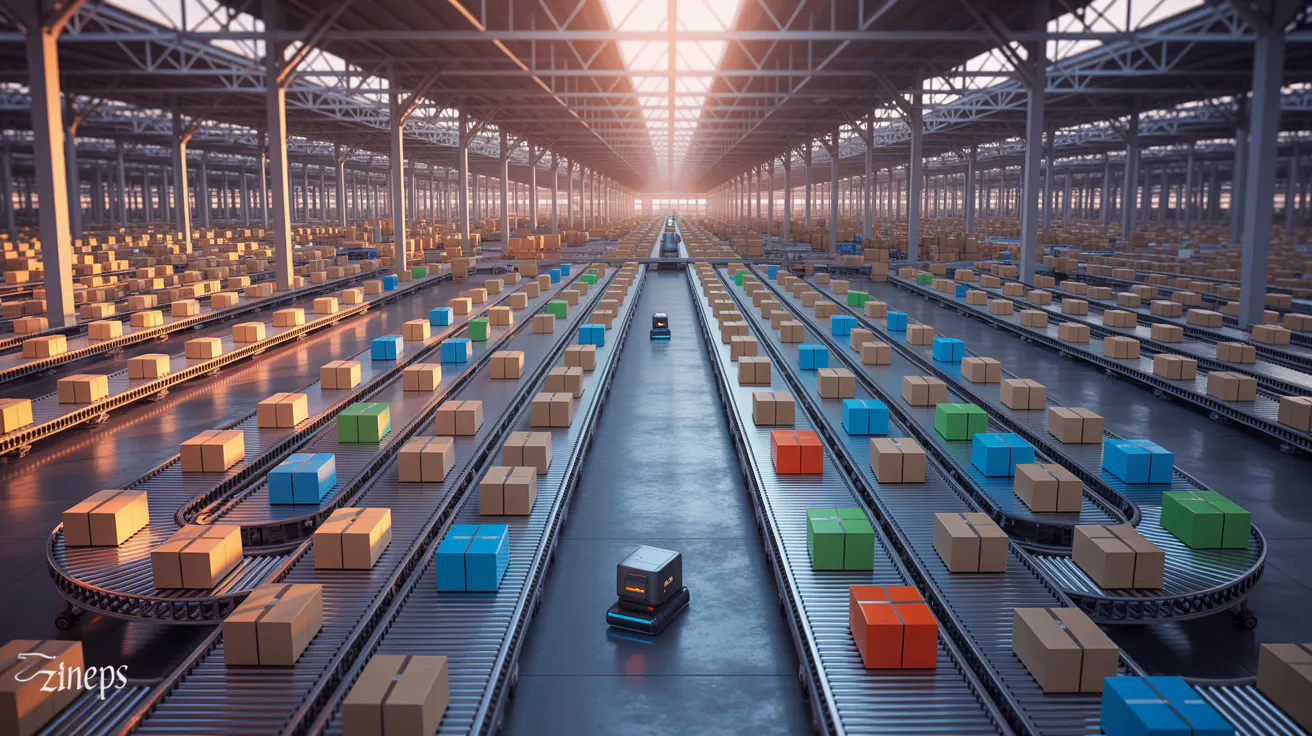
Wehkamps fulfilmentcentrum in Zwolle beslaat ongeveer 140.000 vierkante meter en verwerkt dagelijks duizenden bestellingen, met geautomatiseerde systemen voor opslag, orderverwerking, sortering en retourlogistiek. Volgens berichtgeving van Warehouse Totaal wil Omoda van die locatie de logistieke ruggengraat maken voor het bredere merkenportfolio, met gedeelde technologische infrastructuur, uitbreiding van productcategorieën over merken heen, en synergievoordelen binnen de groep. De overname draaide niet primair om een modecatalogus of een klantenbestand. Het draaide om het verwerven van een werkende fulfilmentmotor, en het aansluiten van elk ander merk in de portfolio daarop.
Dit Is een Patroon, Geen Uitzondering
Wehkamp staat niet op zichzelf. In mei 2026 kondigde Global-e Online aan de cross border logistieke dienstverlener Passport over te nemen, specifiek om de eigen fulfilment en bezorgcapaciteit te versterken. Overal in Europa voegen private equity groepen en multi-brand retailplatformen aparte webshops samen onder één gedeelde operationele ruggengraat. Het patroon duikt op zodra een holding meer dan één e-commerce merk bezit: aparte modelabels, aparte marktplaatsen, aparte direct to consumer lijnen, allemaal via hetzelfde magazijnnetwerk. Branchecijfers suggereren dat ruwweg zes op de tien webwinkels al minstens een deel van hun fulfilment uitbesteden, wat betekent dat de infrastructuur die in deals als deze wordt samengevoegd al veel vaker gedeeld wordt dan shoppers beseffen.
De commerciële logica is simpel. Een distributiecentrum met overcapaciteit is een kostbaar bezit als het maar één merk bedient. Datzelfde gebouw dat vijf merken bedient, verandert een vaste kostenpost in een concurrentievoordeel. Voor verzenders en logistiek managers binnen deze groepen is de moeilijkere vraag niet of ze fulfilment moeten samenvoegen. Het is hoe ze verzending en vervoerdersbeheer kunnen consolideren zonder de belofte te breken die elk merk al aan zijn klanten heeft gedaan.
Het Multi-Brand Fulfilment Probleem
Vervoerderscontracten smelten niet vanzelf samen
Elk merk in een portfolio komt doorgaans met zijn eigen vervoerdersovereenkomsten, eigen onderhandelde tarieven en eigen bezorgbeloften. Wehkamp onderhandelde Nederlandse en Belgische last mile contracten jaren voordat een zustermerk onder dezelfde holding bestond. Wanneer twee merken in hetzelfde magazijn samenkomen, moet iemand beslissen welke vervoerder welke route bedient, hoe volumeafspraken worden herverdeeld, en hoe tariefkaarten opnieuw worden onderhandeld nu het gecombineerde volume de groep echte onderhandelingsmacht geeft. Handmatig gedaan is dat maanden aan spreadsheetwerk. Gedaan via een verzendplatform dat al meerdere vervoerders vanuit één laag vergelijkt en beheert, wordt het een configuratietaak in plaats van een heronderhandelingsproject.
Tracking en retourervaring versnipperen
Klanten van elk merk verwachten hun eigen trackingpagina, hun eigen retourportaal, hun eigen uitstraling, zelfs als dezelfde vorkheftruck hun doos verplaatst. Merkspecifieke klantervaring plakken op een gedeelde operationele kern is een echte integratie uitdaging, geen cosmetische. Retouren zijn daarvan de scherpste versie. Een retourbeleid gebouwd voor een premium modelabel werkt zelden ongewijzigd voor een budgetlabel dat dezelfde loading dock deelt, en het samenvoegen van beide zonder een systeem dat merkregels bovenop gedeelde infrastructuur kan toepassen, leidt vaak tot ofwel gefrustreerde premiumklanten ofwel stille margeverlies aan de budgetkant.
Servicebeloften zijn apart gemaakt, infrastructuur is gedeeld
Het marketingteam van elk merk heeft bezorgbeloften gedaan aan zijn eigen klanten: volgende dag bezorgd in Nederland, standaardbezorging in België, een specifieke aanslagtijd voor same day opties. Gedeelde infrastructuur honoreert niet automatisch vijf losse sets beloften die onafhankelijk van elkaar zijn gemaakt. Iemand moet merkspecifieke serviceafspraken vertalen naar routeringsregels die het magazijn en de vervoerders daadwerkelijk uitvoeren, en die vertaling accuraat houden terwijl volumes week na week tussen merken verschuiven.
Wat een Logistiek Besturingssysteem Écht Oplost
Dit is precies het gat dat een toegewijd logistiek besturingssysteem moet dichten. Bij Zineps bouwden we ons platform rond een simpel uitgangspunt: e-commerce bedrijven zouden moeten kunnen aansluiten op hun logistieke partners, vervoerders en fulfilmentproviders zoals ze aansluiten op een betaalprovider, via één verbonden laag in plaats van een lappendeken aan puntintegraties die voor elk merk of elk magazijn opnieuw gebouwd worden. Wanneer een retailgroep zoals Omoda een nieuw merk opneemt in een gedeeld distributiecentrum, zou de verzendlaag niet vanaf nul opnieuw gebouwd hoeven worden. Vervoerdersaansluitingen, tariefvergelijking, labelgeneratie, tracking en retourregels moeten per merk configureerbaar zijn, terwijl ze op dezelfde onderliggende infrastructuur draaien.
Dat is de praktische betekenis achter het omschrijven van Zineps als het besturingssysteem voor zendingen. Een besturingssysteem vervangt de applicaties die erop draaien niet. Het geeft ze een gemeenschappelijke basis, zodat ze niet elk apart dezelfde onderliggende problemen hoeven op te lossen. Voor een multi-brand retailer betekent die basis dat een nieuw label binnen dagen live kan gaan op bestaande vervoerderscontracten, dat een retourbeleid per merk kan verschillen zonder een aparte retourstack per merk, en dat een financeteam eindelijk de werkelijke landed cost en marge per merk kan zien in plaats van één gemiddeld cijfer dat verbergt welk merk daadwerkelijk winstgevend is om te verzenden.
Een Praktische Checklist Voordat Je Fulfilment Samenvoegt
- Breng elk vervoerderscontract per merk in kaart voordat je beslist wie in een gedeeld magazijn intrekt, zodat gecombineerde volumemacht bewust wordt onderhandeld in plaats van verloren te gaan tijdens de overgang.
- Scheid de merkbelofte van de merkinfrastructuur. Bezorgsnelheid, retourtermijnen en trackingervaring kunnen verschillend blijven, ook als het magazijn en de vervoerdersmix gedeeld zijn.
- Voorkom dat al het gedeelde volume bij één vervoerder wordt geconcentreerd. Een samengevoegd distributiecentrum creëert echte onderhandelingsmacht, maar macht zonder back up vervoerder wordt een single point of failure zodra één vervoerder een verstoring heeft.
- Test de samenvoeging met één merkpaar voordat je de hele portfolio verplaatst, en volg de landed cost per merk gedurende het hele traject, niet alleen per zending.
- Kies infrastructuur die elk nieuw merk als configuratie behandelt, niet als aparte implementatie, zodat het aansluiten van merk zes dagen kost in plaats van de maanden die het aansluiten van merk twee kostte.
De Les voor Merken die Niet Worden Overgenomen
De meeste e-commerce bedrijven die dit lezen zullen nooit onderdeel worden van een overname met negen nullen. Dat maakt de les niet minder relevant. De reden dat Wehkamps fulfilmentcentrum een heel extra merkenportfolio kon opnemen zonder verbouwing, is dat de onderliggende processen, automatisering en systemen al gebouwd waren om gedeeld te worden in plaats van vastgebakken aan één label. Groeiende merken maken vaak de tegenovergestelde fout. Ze bouwen vervoerdersintegraties, trackingpagina's en retourlogica direct vast in één webshop, en ontdekken pas later hoeveel het kost om dat los te weken zodra ze een tweede merk lanceren, een tweede magazijn openen, of zelf worden overgenomen. Bouwen op een verzendlaag die vervoerders, magazijnen en merken al als configureerbare onderdelen behandelt, is goedkoper om in één keer goed op te zetten dan om later te herbouwen, en het is het verschil tussen een overname die soepel sluit en een die zijn eerste twee kwartalen besteedt aan het ontwarren van logistiek.
Veelgestelde Vragen
Wat maakte Wehkamps turnaround in 2026 mogelijk?
Strikte kostenbeheersing gecombineerd met de eerste omzetgroei sinds 2021 dreef de omslag. De aangepaste EBITDA steeg met 19,8 procent naar 27,1 miljoen euro en het operationeel resultaat ging van een verlies van 2,1 miljoen euro naar een winst van 3,9 miljoen euro in het boekjaar dat eindigde in maart 2026, vlak voordat Omoda Brands de overname in juli 2026 afrondde.
Waarom heeft multi-brand fulfilment andere infrastructuur nodig dan verzending voor één merk?
Elk merk heeft zijn eigen vervoerderscontracten, bezorgbeloften en retourbeleid. Een magazijn delen zonder een systeem dat die regels per merk toepast, dwingt tot een keuze tussen elk merk platslaan naar dezelfde ervaring of aparte handmatige processen onderhouden, en beide kosten geld naarmate de portfolio groeit.
Wat is een logistiek besturingssysteem?
Een logistiek besturingssysteem is een gedeelde softwarelaag die e-commerce merken verbindt met vervoerders, fulfilmentproviders en logistieke partners, zodat verzendregels, tariefvergelijking, tracking en retouren per merk geconfigureerd kunnen worden zonder dat elk merk zijn eigen maatwerkintegratie nodig heeft. Zineps positioneert zichzelf precies om die reden als het besturingssysteem voor zendingen.
Hoe kan een groeiend e-commerce merk zich voorbereiden op multi-brand fulfilment voordat het nodig is?
Kies vanaf het begin een verzendplatform dat vervoerders, magazijnen en merken als configuratie behandelt in plaats van maatwerkcode. Zo wordt het toevoegen van een tweede merk, een tweede magazijn, of het opnemen van een overname later een opzettaak van enkele dagen in plaats van een integratieproject van maanden.
De Conclusie
Wehkamps turnaround zal waarschijnlijk de boeken ingaan als een retail herstelverhaal: strikte kostenbeheersing, hernieuwde omzetgroei, een nieuwe eigenaar met een duidelijk plan. Onder de oppervlakte schuilt een logistiek verhaal waar elke multi-brand e-commerce groep in Europa aandacht aan zou moeten besteden. Fulfilmentinfrastructuur is niet langer een kostenpost achter de schermen. Het wordt het bezit dat bepaalt hoe snel een portfolio nieuwe merken kan opnemen en hoeveel marge die merken behouden. Bedrijven die verzending behandelen als een strategische, gedeelde, configureerbare laag, integreren overnames in weken. Bedrijven die het behandelen als merkspecifieke loodgieterij besteden diezelfde weken aan het uitzoeken van vervoerdersfacturen.
Als jouw organisatie overweegt hoe meerdere merken, magazijnen of vervoerderscontracten op één verzendoperatie samen te brengen, kan het team van Zineps laten zien hoe ons platform multi-brand configuratie in de praktijk aanpakt. Neem contact met ons op en ontdek hoe nieuwe merken live gaan op gedeelde fulfilmentinfrastructuur zonder een verzendstack vanaf nul te herbouwen.