
Same-Day Delivery in 2026: De Vervoerdersconcentratie-Afweging Die Elke E-Commerce Verzender Moet Kennen
Same-Day Delivery in 2026: De Vervoerdersconcentratie-Afweging Die Elke E-Commerce Verzender Moet Kennen
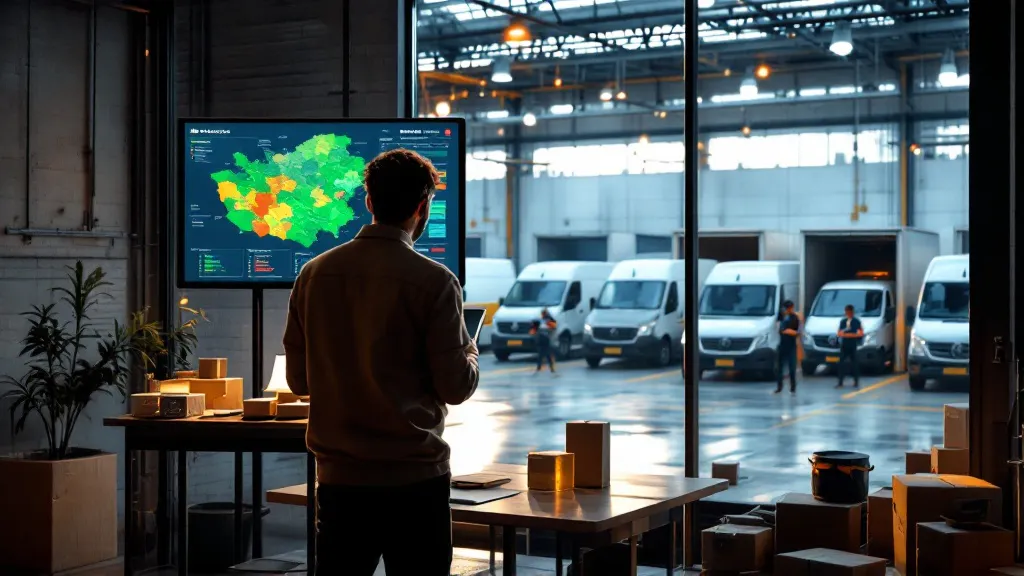
In juli 2026 maakte een van de grootste online retailers van de Benelux een stille maar veelzeggende wijziging in zijn eigen bezorgnetwerk. Bol bevestigde dat elke bestelling met het label Vandaag Bezorgd voortaan uitsluitend via Ampère wordt afgeleverd, het bezorgbedrijf dat Bol zelf heeft opgebouwd en volledig in eigendom heeft. Het volume dat voorheen over meerdere externe vervoerders werd verdeeld, loopt nu via een netwerk. Het is een kleine operationele wijziging, maar de les erachter is veel groter voor iedereen die dit jaar in Europa verzendt.
Volgens de berichtgeving over deze verandering bereikt het netwerk van Ampère op dit moment ongeveer 85 procent van Nederland, in plaats van landelijke dekking. De totale same day capaciteit ligt bovendien lager dan bij de vorige opzet met meerdere vervoerders. In de praktijk betekent dit dat meer bestellingen worden teruggezet naar het label Morgen Bezorgd, en dat het afsluitmoment voor same day bestellingen in het weekend eerder valt dan voorheen. Ampère breidt zijn dekking geleidelijk uit vanuit de oorspronkelijke basis in Rotterdam en Utrecht naar steden als Zwolle en de omgeving van Nijmegen, maar dekt nog niet elk gebied dat het vorige vervoerderspanel van Bol wel bereikte.
Waarom een retailer dekking inruilt voor controle
De logica achter de stap van Bol is niet moeilijk te volgen. Toen Vandaag Bezorgd via meerdere externe vervoerders liep, was Bol afhankelijk van de eigen prioriteiten, capaciteitsplanning en servicekwaliteit van elk van die partijen, op een dag die het bedrijf zelf niet volledig in de hand had. Een gemist tijdslot, een tekort aan chauffeurs, of een regionale verstoring bij een van de partners kon de belofte die de naam Bol draagt stilletjes beschadigen. Door Ampère volledig in eigen beheer te nemen, verdwijnt die afhankelijkheid. Bol kan capaciteit plannen, chauffeurs opleiden en problemen intern oplossen in plaats van te escaleren via de accountmanager van een externe partner. Voor een retailer met het volume van Bol is die mate van controle over de last mile een verdedigbare strategische keuze.
De afweging is niet gratis, en dat is hij zelden
Elke consolidatie van dit type brengt een plafond met zich mee. Zodra een bezorgbelofte via een netwerk loopt, worden de grenzen van dat netwerk de grenzen van de hele belofte. Een panel van drie of vier vervoerders kan een regionaal gat meestal opvangen, omdat een andere partner het overneemt. Een eigen netwerk kan dat niet, in ieder geval niet zolang de dekking nog wordt uitgebreid. De 85 procent dekking van Ampère en de lagere same day capaciteit zijn geen teken van een slecht draaiende operatie. Het zijn de wiskundig voorspelbare kosten van consolidatie, en Bol maakt hier duidelijk een weloverwogen keuze. Betrouwbaarheid binnen een kleiner gebied weegt zwaarder dan bredere dekking met minder controle, zolang het netwerk nog groeit.
Last mile in eigen beheer nemen is een schaalspel voor weinigen
Een bezorgbedrijf bouwen of overnemen, zoals Bol met Ampère heeft gedaan, is financieel alleen verantwoord bij een enorm pakketvolume. Depots, chauffeurs in loondienst, routesoftware en een eigen wagenpark brengen vaste kosten met zich mee die pas rendabel worden bij een schaal die de meeste webwinkels nooit zullen bereiken. Een handvol Europese marktplaatsen en grote retailers opereert op dat niveau. De overgrote meerderheid van e-commerce bedrijven doet dat niet, en hoeft het draaiboek van Ampère dan ook niet letterlijk te kopiëren.
De echte les uit de stap van Bol is niet bouw je eigen vervoerder. Het is haal het betrouwbaarheidsvoordeel van eigendom binnen, zonder het concentratierisico van eigendom te dragen. Dat is in de eerste plaats een softwarevraagstuk en een procesvraagstuk, geen wagenparkvraagstuk, en het is op elke schaal op te lossen.
Wat kleinere en middelgrote e-commerce bedrijven hieruit kunnen meenemen
- Behandel elke bezorgbelofte in de checkout als een actuele capaciteitsvraag, niet als een vast label. Als je snelste optie alleen standhoudt omdat een vervoerder die dag toevallig ruimte heeft, moet de checkout dat weten voordat de klant betaalt, niet nadat het pakket al vaststaat in een wachtrij.
- Bouw elke snelle bezorgbelofte op de capaciteit van meer dan een vervoerder, zodat een regionaal gat of een plotselinge volumepiek niet meteen voor elke klant in dat gebied een gebroken belofte wordt.
- Meet bezorgprestaties per postcodegebied of corridor, niet alleen als een landelijk gemiddelde. Een dekkingsgat ter grootte van de resterende 15 procent van Ampère verdwijnt gemakkelijk in een totaalcijfer dat er verder gezond uitziet.
- Houd een terugvallabel klaar, het equivalent van Morgen Bezorgd bij Bol, dat automatisch actief wordt zodra de snelste optie niet eerlijk kan worden aangeboden, in plaats van klanten dit zelf te laten ontdekken via een vastgelopen trackingpagina.
- Laat klanten meteen weten wanneer een belofte verschuift van vandaag naar morgen. Een proactief bericht kost een paar seconden om te versturen en kost bijna altijd minder vertrouwen dan stilte gevolgd door een laat pakket.
De echte les gaat over orkestratie, niet over eigendom
Dit is precies het probleem waarvoor een operating system voor verzendingen is gebouwd. Zineps is opgezet vanuit de gedachte dat e-commerce bedrijven, en de logistieke partners, vervoerders en fulfillment providers waarmee ze werken, deze zelfde betrouwbaarheidsvraag niet stuk voor stuk zelf hoeven op te lossen. Zoals we eerder schreven in onze gids voor een veerkrachtige multi-vervoerdersstrategie, is redundantie tussen vervoerders wat een bezorgbelofte echt beschermt, niet loyaliteit aan een enkele partij, hoe goed het netwerk van die partij op een gemiddelde dag ook is.
Binnen Zineps is die redundantie geen handmatig noodplan dat iemand moet onthouden te checken tijdens piekperiodes. Bezorgbeloftes in de checkout komen tot stand op basis van actuele vervoerderscapaciteit per postcode, zodat een merk same day of next day levering kan aanbieden met dezelfde eerlijkheid die Bol nu in Ampère bouwt, zonder een bestelwagen in eigendom te hoeven hebben. Als de capaciteit van een vervoerder in een regio krapper wordt, routeert het systeem daar automatisch omheen, precies zoals we eerder betoogden in onze analyse van het eerste-poging bezorgsucces, in plaats van het gat pas te ontdekken nadat een klant een klacht indient.
Die orkestratie reikt verder dan alleen vervoerders. Fulfillment centers en 3PL's leveren hetzelfde capaciteitssignaal aan, zodat een bezorgbelofte niet alleen weerspiegelt welke vervoerder een pakket vandaag kan vervoeren, maar ook of het magazijn erachter het pakket op tijd de deur uit krijgt om de deadline te halen. Eigendom, zoals bij Bol, lost dit op door alles in een bedrijf onder te brengen. Een operating system zoals Zineps lost het op door elke partner in de keten, in eigendom of extern, dezelfde gedeelde waarheid te geven.
Een kort kader: betrouwbaarheid door redundantie, niet door exclusiviteit
De beslissing van Bol is een rationele keuze voor Bol. Het is geen blauwdruk die de rest van de markt moet kopiëren, en dat hoeft ook niet. De onderliggende les blijft overeind op elke schaal. Betrouwbaarheid is niet iets dat een bedrijf erft door de juiste ene partner te kiezen. Het is iets dat een bedrijf opbouwt door ervoor te zorgen dat geen enkele partner, eigen of extern, stilletjes het plafond wordt van wat het een klant in de checkout belooft. Zoals we eerder beschreven in ons artikel over bezorgbeloftes die breken onder echte omstandigheden, zijn de bedrijven die hun woord houden zelden de bedrijven met de snelste ene vervoerder. Het zijn de bedrijven wier systemen precies weten wat ze eerlijk kunnen beloven, voordat de klant ooit een bezorgdatum te zien krijgt.
Veelgestelde vragen
Is same day delivery de moeite waard als een bedrijf geen volledige dekking kan garanderen?
Ja, mits de checkout hier eerlijk over is. De aanpak van Bol bewijst dit precies. In plaats van Vandaag Bezorgd overal te beloven en onvoorspelbaar te falen, biedt het bedrijf het label nu alleen aan waar Ampère het daadwerkelijk kan waarmaken, en valt het voor de rest terug op een betrouwbare next day belofte. Een gedeeltelijk same day aanbod dat altijd wordt waargemaakt, verslaat een universeel aanbod dat af en toe breekt.
Moeten kleinere e-commerce bedrijven hun eigen last mile bezorgnetwerk opbouwen?
Bijna nooit, en juist de schaal van Bol laat zien waarom. Depots, chauffeurs en routesoftware in eigen beheer nemen, betaalt zich alleen uit bij pakketvolumes die een bedrijf tot een van de grootste retailers in zijn markt maken. De meeste e-commerce bedrijven bereiken hetzelfde betrouwbaarheidsresultaat veel goedkoper door meerdere externe vervoerders via een systeem te orkestreren, in plaats van er zelf een in eigendom te nemen.
Wat is het grootste risico van vertrouwen op een vervoerder voor een bezorgbelofte?
Concentratierisico. Welke beperking die ene vervoerder ook heeft, of het nu een dekkingsgat, een capaciteitsplafond of een regionale verstoring is, die beperking wordt de beperking van elke bezorgbelofte die het bedrijf doet, zonder een andere partner die het verschil kan opvangen. Redundantie tussen vervoerders voorkomt dat een slechte week bij een partner meteen een bedrijfsbreed probleem wordt.
Hoe moeten e-commerce bedrijven omgaan met het moment waarop een same day belofte niet haalbaar is?
Automatisch en op tijd. Zodra een systeem weet dat een pakket de same day deadline niet gaat halen, moet het teruggrijpen naar een duidelijke next day belofte en de klant direct informeren, zoals Bol dat zelf doet met het label Morgen Bezorgd. Klanten vergeven een eerlijke, tijdig gecommuniceerde aanpassing veel makkelijker dan een stille vertraging die pas op een trackingpagina wordt ontdekt.
Als je snelste bezorgbelofte afhangt van de resterende capaciteit van een vervoerder op een gegeven dag, is dat een afhankelijkheid die het waard is om te controleren voordat je drukste week van het jaar het gat voor je blootlegt. Zineps is het Operating System for Shipments, en verbindt vervoerders, fulfillment providers en logistieke partners in een laag die precies weet wat het eerlijk kan beloven, voordat de klant daar zelf achter moet komen.