
Logistieke automatisering: de complete gids voor e-commerce en fulfilment bedrijven
De logistiek van e-commerce wordt elk jaar complexer. Meer bestellingen, meer vervoerders, meer landen en hogere klantverwachtingen zorgen voor druk op interne processen.
Logistieke automatisering is daarom geen luxe meer, maar een noodzaak voor bedrijven die willen schalen zonder hun operationele kosten te laten exploderen.
In deze gids leggen we uit wat logistieke automatisering precies betekent, welke processen geautomatiseerd kunnen worden en hoe e-commerce en fulfilment bedrijven hier concreet voordeel uit halen.
Wat is logistieke automatisering?
Logistieke automatisering betekent het digitaliseren en automatiseren van logistieke processen zoals:
- Orderverwerking
- Verzendlabel creatie
- Carrier selectie
- Retourbeheer
- Factuurverwerking
- Tracking en statusupdates
In plaats van handmatige acties in verschillende systemen, worden processen geïntegreerd in één centraal logistiek platform.
Automatisering in de logistiek zorgt ervoor dat bedrijven sneller, efficiënter en met minder fouten kunnen werken.
Waarom logistiek automatiseren essentieel is voor e-commerce
Webshops groeien vaak sneller dan hun logistieke processen. Wat begint met één vervoerder en handmatige labels, verandert al snel in:
- Meerdere carrier contracten
- Verschillende verzendtarieven
- Complexe retourstromen
- Handmatige factuurcontroles
Zonder logistiek automatiseren ontstaat er operationele chaos.
Logistieke automatisering helpt om:
- Verzendkosten te optimaliseren
- Fouten bij labelcreatie te verminderen
- Retourprocessen te versnellen
- Schaalbaarheid mogelijk te maken
Voor groeiende webshops is fulfilment automatisering een directe manier om marges te beschermen.
Welke logistieke processen kun je automatiseren?
1. Carrier management automatiseren
Het beheren van meerdere vervoerders vraagt om structuur. Met multi carrier software kunnen bedrijven:
- Automatisch de beste vervoerder selecteren
- Tarieven vergelijken
- Contractvoorwaarden centraal beheren
- Nieuwe carriers sneller onboarden
Carrier management automatisering voorkomt handmatige beslissingen per order.
2. Verzendlabels automatisch genereren
Handmatig labels aanmaken kost tijd en vergroot de kans op fouten.
Door logistieke automatisering kunnen verzendlabels automatisch worden aangemaakt op basis van:
- Bestemming
- Gewicht
- Service level
- Carrier afspraken
Dit versnelt het fulfilment proces aanzienlijk.
3. Retourbeheer optimaliseren
Retouren zijn een van de duurste onderdelen van e-commerce.
Automatisering logistieke processen in retourbeheer zorgt voor:
- Automatische retourlabels
- Snellere verwerking
- Duidelijke tracking
- Minder klantenservice druk
Een gestroomlijnd retourproces verhoogt klanttevredenheid én verlaagt kosten.
4. Factuurverwerking automatiseren
Transportfacturen bevatten vaak complexe tariefstructuren.
Met logistiek automatiseren kunnen facturen automatisch worden gecontroleerd op basis van contractafspraken en verzenddata.
Dit voorkomt fouten en bespaart financiële administratie tijd.
De voordelen van logistieke automatisering
Bedrijven die investeren in automatisering logistiek zien meestal directe voordelen:
- Lagere operationele kosten
- Minder handmatige fouten
- Betere controle over verzendtarieven
- Snellere schaalbaarheid
- Meer inzicht via centrale dashboards
Voor fulfilment bedrijven en 3PL-partijen betekent dit een hogere efficiëntie per klant.
Hoe kies je de juiste logistieke software?
Niet elke oplossing past bij elke organisatie. Bij het kiezen van een logistiek platform is het belangrijk om te kijken naar:
- Multi carrier mogelijkheden
- API integraties
- Automatische carrier selectie
- Retourbeheer
- Factuurautomatisering
- Centrale rapportage
Een modern logistiek systeem moet niet alleen labels genereren, maar functioneren als een centraal operating system voor je logistieke operatie.
Ontdek hoe Zineps jouw logistiek kan automatiseren
Logistieke automatisering begint met inzicht, maar echte impact ontstaat pas wanneer processen daadwerkelijk worden geïntegreerd in één centraal systeem.
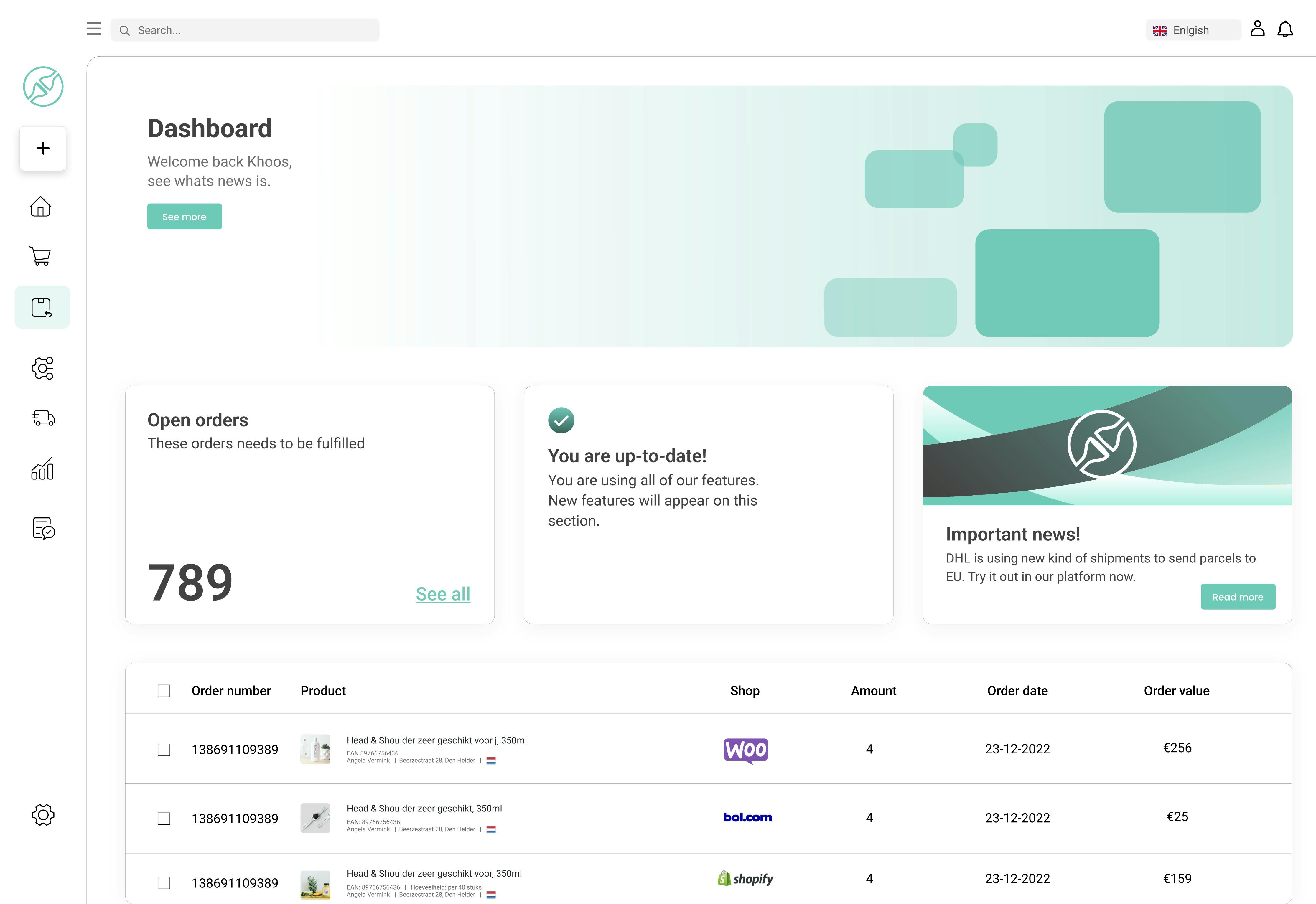
Met Zineps beheer je carrier contracten, genereer je automatisch verzendlabels, automatiseer je retourstromen en controleer je transportfacturen — allemaal vanuit één platform.
Wil je ontdekken hoe jouw webshop of fulfilment operatie efficiënter kan werken?
Probeer Zineps en ervaar zelf hoe logistieke automatisering schaalbare groei mogelijk maakt.
Plan een demo of neem contact met ons op om te zien wat er mogelijk is voor jouw organisatie.