
Nederlandse Vervoerders Delen Pakketpunten: Wat het Nieuwe Bezorgconvenant Betekent voor E-Commerce
Nederlandse Vervoerders Delen Pakketpunten: Wat het Nieuwe Bezorgconvenant Betekent voor E-Commerce
Zolang pakketbezorging in Nederland bestaat, concurreerden PostNL, DHL, DPD en nieuwere spelers zoals Budbee en De Buren op dezelfde manier als de meeste logistieke netwerken: door eigen afhaalinfrastructuur te bouwen en die voor zichzelf te houden. Dat verandert nu. Amsterdam, Rotterdam, Den Haag en Utrecht hebben de grootste vervoerders van het land, waaronder PostNL, DHL, DPD, Budbee, VintedGo, Amazon en pakketkluisexploitant De Buren, samengebracht in een convenant om één open netwerk van pakketpunten te bouwen in plaats van zes losse netwerken. Op papier lijkt het een bescheiden stedenbouwkundige beslissing. In de praktijk is het een van de duidelijkste signalen tot nu toe dat de Europese last mile bezorginfrastructuur verandert in een gedeelde voorziening, en dat heeft directe gevolgen voor elk e-commercebedrijf dat in of via Nederland verzendt.
Wat het Convenant Precies Inhoudt
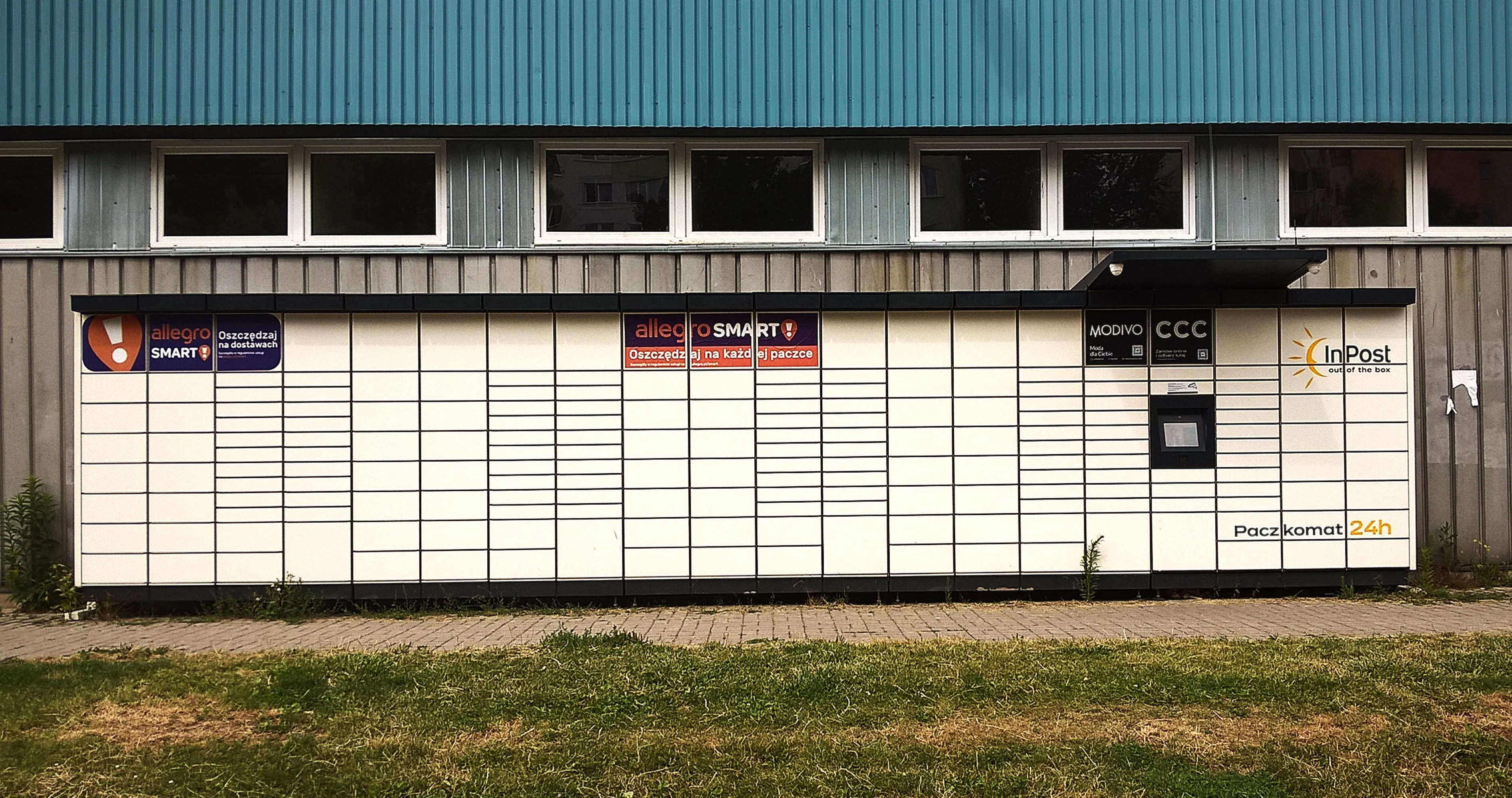
De vier grootste Nederlandse gemeenten hebben een akkoord getekend met de belangrijkste vervoerders en pakketpuntexploitanten van het land om een gedeeld, open netwerk van afhaallocaties te bouwen. In plaats van dat elke vervoerder zijn eigen muur vol kluizen op dezelfde straat onderhoudt, verplichten deelnemende vervoerders zich om gedeelde locaties te gebruiken die elke aangesloten vervoerder kan bedienen. De ambitie is concreet: geen inwoner van deze steden zou meer dan 300 tot 500 meter moeten afleggen om een pakketpunt te bereiken, met een volledig uitgebouwd netwerk in 2028. Pakketpuntexploitant De Buren heeft alleen al plannen aangekondigd voor ongeveer 3.000 pakketpuntlocaties door heel het land als bijdrage aan dat doel.
De reden dat steden hierop aandrongen is eenvoudig. In de vier grootste gemeenten samen bezorgen vervoerders meer dan 200.000 pakketten per dag, en ongeveer 80 procent daarvan gaat nog altijd rechtstreeks naar een thuisadres. Dat volume aan bestelbusjes dat door woonstraten rijdt, zorgt voor verkeersdrukte, parkeerdruk en veiligheidsproblemen waar stedenbouwkundigen al jaren een oplossing voor zoeken. Het convenant kwam tot stand via het DMI-ecosysteem, een publiek-private samenwerking tussen rijksoverheid, provincies, gemeenten en bedrijfsleven, en werd ondertekend door PostNL, DHL, DPD, Budbee, VintedGo, De Buren en ViaTim, met Amazon betrokken bij het bredere initiatief. De aankondiging van de gemeente Amsterdam zelf verwoordt het simpel: meer gedeelde pakketpunten, minder busjes in woonstraten.
Waarom Concurrerende Vervoerders Ineens Samenwerken
De dichtheid van pakketpunten was traditioneel een concurrentiewapen in de last mile bezorging. De vervoerder met de meeste kluizen op loopafstand van een klant won meer selecties bij het afrekenen. Precies daarom is dit akkoord ongewoon. Zes concurrerende netwerken kiezen ervoor om fysieke infrastructuur te delen in plaats van erover te strijden.
De economie verklaart de verschuiving. Vijf losse muren vol kluizen bouwen binnen hetzelfde stadsblok is duur, traag en steeds moeilijker vergunbaar, zeker nu gemeenten minder tolerant worden voor een rommelig straatbeeld. Tegelijkertijd deed die dubbele infrastructuur niets om het aantal bestelbusjes in een buurt te verminderen, wat het eigenlijke probleem is dat steden willen oplossen. Door de fysieke laag te delen kunnen vervoerders blijven concurreren op prijs, snelheid en servicekwaliteit, de zaken die hen echt onderscheiden, terwijl het pakketpunt zelf gedeelde infrastructuur wordt.
Wij denken dat dit goed oplet verdient, omdat het zelden voorkomt in de logistiek. Overeenkomsten over het delen van fysieke infrastructuur tussen directe concurrenten komen veel vaker voor in de telecomsector, waar operators zendmasten delen, dan in de pakketbezorging. Als het wel gebeurt, is dat meestal een teken dat een laag van de waardeketen is opgehouden een bron van concurrentievoordeel te zijn en een kostenpost is geworden die iedereen liever samen verkleint.
Nederland Loopt In, Niet Voorop
Het is de moeite waard om dit in een Europese context te plaatsen, want Nederland vindt het gedeelde pakketpuntmodel niet uit. Frankrijk kent al twintig jaar iets vergelijkbaars via zijn dichte netwerk van relaispunten, waar één winkelbalie routinematig pakketten aanneemt namens meerdere verschillende vervoerders in plaats van één. Het Verenigd Koninkrijk bouwde jaren geleden al vergelijkbaar gedeeld denken in zijn winkelgebonden afhaaldiensten. Wat die markten laten zien, is dat gedeelde, vervoerdersonafhankelijke afhaalinfrastructuur geen tijdelijk compromis is. Het is een stabiel, volwassen model dat klanten daadwerkelijk verkiezen, omdat het betekent dat het dichtstbijzijnde pakketpunt gewoon het dichtstbijzijnde pakketpunt is, niet het dichtstbijzijnde punt dat toevallig bij de vervoerder hoort die een specifieke webshop koos.
Gezien dat precedent verwachten wij dat het Nederlandse netwerk sneller zal groeien dan het doel van 2028 doet vermoeden zodra de eerste gedeelde locaties zichzelf bewijzen, en wij verwachten dat andere Europese steden met dezelfde bestelbusjesdrukte met vergelijkbare convenanten zullen volgen. De inzet van de Europese Unie op Sustainable Urban Logistics Plans, als onderdeel van haar bredere mobiliteitsstrategie, geeft gemeenten een beleidskader om precies dit soort akkoorden te rechtvaardigen, wat betekent dat Nederland waarschijnlijk een vroege dominosteen is en geen op zichzelf staand geval.
Wat Dit Betekent voor E-Commercebedrijven en Verzenders
Een dichter, gedeeld pakketpuntnetwerk is goed nieuws bij het afrekenen. Een nabijgelegen, vervoerdersonafhankelijke afhaaloptie aanbieden verlaagt doorgaans de bezorgkosten en vergroot de kans dat de voorkeursoptie van een klant daadwerkelijk beschikbaar is, en onderzoek naar het afrekenproces laat consistent zien dat een ontbrekende of onhandige bezorgoptie een van de meest voorkomende redenen is waarom een klant afhaakt voordat hij betaalt. In theorie zou een gedeeld netwerk dat probleem kleiner moeten maken voor iedereen die naar deze steden verzendt.
In de praktijk is het operationele plaatje rommeliger dan de kop doet vermoeden. Een gedeeld netwerk betekent niet één systeem. Het betekent dat dezelfde fysieke locatie nu technisch wordt bediend door meerdere verschillende vervoerderscontracten, meerdere verschillende capaciteitslimieten en, in sommige gevallen, meerdere verschillende openingstijden en inleverregels. Een pakketpunt dat op een bepaalde middag open en beschikbaar is via de systemen van PostNL, kan via die van DPD als vol worden weergegeven, simpelweg omdat elk vervoerderssysteem zijn eigen toewijzing van kluizen op die locatie bijhoudt in plaats van de werkelijke gecombineerde capaciteit van de locatie.
Voor een handelaar blijft die versnippering onzichtbaar totdat er iets misgaat. Een klant kiest bij het afrekenen een pakketpunt omdat de plugin van de ene vervoerder het als beschikbaar toonde, de zending wordt geboekt bij een andere vervoerder die geen zicht heeft op de status van die specifieke kluis, en het pakket stuitert terug naar een reserveadres of belandt in een serviceticket terwijl twee logistieke teams uitzoeken wiens verantwoordelijkheid het was.
De Verborgen Complexiteit Achter "Meer Pakketpunten"
Dit is het deel van het verhaal dat wordt overgeslagen wanneer een convenant zoals dit wordt aangekondigd. Gedeelde infrastructuur haalt geen complexiteit weg bij een verzender, ze verplaatst die. In plaats van de pakketpuntgegevens van één vervoerder te beheren, heeft een handelaar nu live, accuraat zicht nodig op een locatie die meerdere vervoerders kunnen claimen, met capaciteit en regels die per vervoerder en per week kunnen veranderen naarmate het netwerk richting zijn omvang van 2028 groeit.
Retouren maken het probleem groter. Wanneer een klant een retour inlevert bij een gedeeld punt, is de puntexploitant, niet per se de oorspronkelijke vervoerder, degene die het pakket fysiek in bezit heeft. Zonder duidelijke gegevens over welke vervoerder gecontracteerd is om op welk schema bij welke locatie op te halen, kunnen retouren veel langer blijven liggen dan zou moeten, waardoor terugbetalingen en voorraad precies vastzitten op het moment dat het geduld van een klant het dunst is.
Hoe een Logistiek OS Gedeelde Infrastructuur in een Voordeel Verandert
Dit is precies het gat dat Zineps is gebouwd om te dichten. Wij bouwden Zineps als het Operating System for Shipments omdat we telkens hetzelfde patroon zagen bij e-commercebedrijven en logistieke partners: elke nieuwe vervoerder, elk nieuw afhaalnetwerk, elke nieuwe pakketkluisexploitant betekende weer een losse integratie, weer een dashboard, weer een supportproces om te onderhouden. Een gedeeld pakketpuntconvenant zoals dit is een perfect voorbeeld van waarom die aanpak vastloopt. De waarde van het netwerk is voor een handelaar alleen echt als de eigen systemen het volledige, gecombineerde beeld kunnen zien over elke aangesloten vervoerder, niet alleen het stukje dat de plugin van één vervoerder toont.
Via Zineps sluit een handelaar één keer aan en krijgt live tarieven, live dekking en live capaciteit over elke vervoerder en elk afhaalnetwerk op het platform, zodat de bezorgopties die bij het afrekenen worden getoond de werkelijke, gecombineerde status van het gedeelde netwerk weerspiegelen in plaats van het gedeeltelijke beeld van één vervoerder. Labels, tracking en retouren lopen via dezelfde orkestratielaag, zodat een retour die bij een locatie van De Buren wordt ingeleverd en een retour die bij een PostNL-punt wordt ingeleverd via één proces lopen in plaats van twee. Naarmate nieuwe vervoerders of puntexploitanten tussen nu en 2028 bij het convenant aansluiten, wordt die uitbreiding opgevangen door het platform in plaats van dat het bij het team van de handelaar weer een ronde handmatig integratiewerk oplevert.
Wat E-Commercebedrijven Nu Moeten Doen
- Breng in kaart welke van je huidige zendingen al Amsterdam, Rotterdam, Den Haag of Utrecht raken, en check hoeveel losse vervoerdersapps of portalen jouw team momenteel moet openen om alleen al de real time status van een pakketpunt te bevestigen.
- Vraag elke vervoerder waarmee je werkt rechtstreeks of hun pakketpunt- en kluisgegevens beschikbaar zijn via een open API-feed, in plaats van alleen binnen hun eigen widget of dashboard.
- Kies een verzend- en orkestratielaag die pakketpuntgegevens van meerdere vervoerders en kluisexploitanten tegelijk kan verwerken en normaliseren, in plaats van één vervoerder per keer.
- Herbouw je retourbeleid rond gedeelde pakketpunten voordat het netwerk verder opschaalt, zodat de klantenservice werkt vanuit een duidelijk proces in plaats van per geval te improviseren.
- Behandel 2028 als ondergrens in plaats van bovengrens. Programma's voor gedeelde infrastructuur die hun eerste hindernissen nemen, breiden doorgaans sneller uit dan hun oorspronkelijke tijdlijn, en handelaars die vroeg integreren pakken het conversievoordeel bij het afrekenen als eerste.
Het Grotere Patroon: Infrastructuur Bezitten Doet Er Minder Toe dan Orkestratie Bezitten
Het echte verhaal achter dit convenant is niet dat Nederlandse steden minder bestelbusjes willen, hoewel dat duidelijk zo is. Het is dat fysieke last mile infrastructuur zich begint te gedragen als een gedeelde voorziening in plaats van een privé concurrentiemiddel, en wij verwachten dat een groter deel van Europa dezelfde weg de komende jaren zal volgen. Wanneer de fysieke laag gedeeld wordt, verschuift het concurrentievoordeel een niveau hoger, naar wie het snelst over het volledige gedeelde netwerk kan kijken en ernaar kan handelen. Dat is de laag waarop Zineps opereert, en daarom hebben wij het platform gebouwd om elke vervoerder en elk afhaalnetwerk te behandelen als onderdelen om te orkestreren in plaats van losse relaties om één voor één te beheren.
Als jouw bedrijf naar Nederland verzendt, of naar een andere Europese stad die waarschijnlijk dit model gaat volgen, is nu het moment om ervoor te zorgen dat jouw logistieke stack het volledige gedeelde netwerk kan zien, niet alleen het stukje dat één vervoerder je wil laten zien. Daarvoor is Zineps gebouwd, en we laten je graag zien hoe het werkt met jouw huidige vervoerdersmix.