
Bijna 70 Procent van de Nederlandse Pakketten Wordt Bezorgd door Onderaannemers: De Verantwoordingskloof die E-Commerce Merken Moeten Dichten in 2026
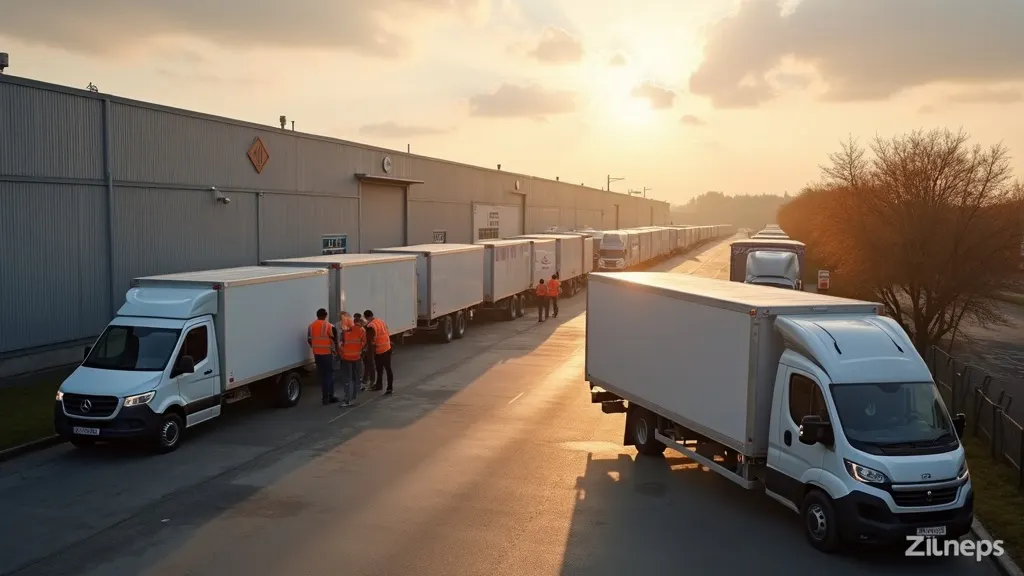
Wanneer de trackingpagina van een webwinkel toont dat een pakket is "Bezorgd door PostNL" of "Bezorgd door DHL", gaan de meeste shoppers, en ook de meeste e-commerce ondernemers, ervan uit dat een uniforme organisatie dat pakket van bestelwagen tot voordeur heeft afgeleverd. In Nederland klopt die aanname vaker niet dan wel. De cijfers over de bezorgwerkvloer die in 2026 naar buiten komen, bevestigen wat mensen binnen de logistiek al jaren weten. Het merendeel van de pakketten dat een Nederlandse voordeur bereikt, wordt helemaal niet bezorgd door medewerkers van PostNL, DHL, DPD of GLS. Ze worden bezorgd door een netwerk van onderaannemende koeriersbedrijven, regionale depots en zelfstandige chauffeurs die weliswaar onder het merk en de routeplanning van een vervoerder opereren, maar buiten diens directe loonlijst vallen.
Recente cijfers laten een verdeling zien van ongeveer 68 tot 70 procent van de pakketbezorgingen die via onderaannemers verlopen, met het resterende deel bezorgd door eigen personeel van de vervoerder. Dat is geen randdetail dat ergens in een jaarverslag verstopt zit. Het is de operationele realiteit van de hele Nederlandse last mile, en het heeft directe gevolgen voor elk e-commercebedrijf dat in deze markt verzendt, of ze zich daar nu bewust van zijn of niet.
Bij Zineps routeren, volgen en verzoenen we dagelijks leveringen over alle grote Nederlandse en Europese vervoerders heen, voor honderden webwinkels tegelijk. Het patroon dat we daarbij consequent zien is dit. De serviceboodschap op merkniveau en de bezorgrealiteit op onderaannemersniveau lopen regelmatig uiteen, en de bedrijven die "de vervoerder" behandelen als een monolithische entiteit zijn degenen die het meest kwetsbaar zijn wanneer er iets misgaat.
De Werkelijke Structuur van Last Mile Bezorging in Nederland
Nationale vervoerders zijn eigenaar van het merk, de sorteerinfrastructuur en de klantgerichte trackingsystemen. Wat ze in toenemende mate niet zelf in handen hebben, is het laatste stuk van de reis. Routes worden toegewezen aan regionale distributiepartners, die op hun beurt weer werk uitbesteden aan kleine transportbedrijven en zelfstandige koeriers, vaak zzp'ers genoemd. Volgens cijfers van het CBS zijn er inmiddels meer dan 20.000 bedrijven actief in de Nederlandse pakket en bezorgsector, waarvan de grote meerderheid kleine ondernemers en zelfstandigen zijn die concurreren om volume van een handvol landelijke merken.
Deze versnippering is significant genoeg dat het Centraal Bureau voor de Statistiek, de nationale statistiekdienst, momenteel een geheel nieuwe officiële statistiek ontwikkelt om thuisbezorgvolumes en structuur nauwkeurig te kunnen meten, omdat de bestaande gegevens binnen de transport en postcategorieën niet langer weergeven wat er werkelijk op de weg gebeurt. Wanneer een overheidsstatistiekbureau een nieuw meetkader moet bouwen omdat het oude de markt niet meer helder in beeld kan brengen, zegt dat iets over hoe sterk de last mile in korte tijd is veranderd.
Waarom Vervoerders het Netwerk Zo Hebben Opgebouwd
Het onderaannemersmodel is niet toevallig ontstaan. E-commerce pakketvolumes zijn veel sneller gegroeid dan enige vervoerder een eigen personeelsbestand kon opschalen, en de vraag is sterk seizoensgebonden, met november en decembervolumes die een veelvoud zijn van een gemiddelde maand. Uitbesteding stelt een landelijke vervoerder in staat om capaciteit op en neer te schalen zonder de vaste kosten, opleidingslast en arbeidsrechtelijke verplichtingen van een groot permanent personeelsbestand te dragen. Het maakt ook snellere geografische uitbreiding naar nieuwe postcodegebieden en landelijke gebieden mogelijk, waar een eigen depot anders niet rendabel zou zijn.
Dit is geen uniek Nederlands verschijnsel. België, Duitsland en Frankrijk kennen vergelijkbare modellen, en het patroon geldt voor het grootste deel van West Europa. Wat per land verschilt, is het aandeel, het aantal lagen van onderaanneming en hoe strikt de landelijke vervoerder toezicht houdt op de onderaannemers die zijn merk dragen.
Het Verborgen Risico voor E-Commerce Merken
Een Merknaam, Veel Verschillende Realiteiten
Het praktische gevolg voor een webwinkel is dat een vervoerdersaccount sterk uiteenlopende resultaten kan opleveren afhankelijk van de postcode, puur omdat een ander onderaannemersdepot die route uitvoert, met zijn eigen capaciteit, wagenparkleeftijd, personeelsverloop en lokale managementkwaliteit. Een merk kan uitstekende bezorgprestaties hebben in Amsterdam en middelmatige prestaties dertig kilometer verderop, met exact hetzelfde vervoerderscontract, exact dezelfde service level agreement en exact dezelfde prijs. De meeste verzenders zien deze variatie nooit, omdat ze prestaties meten op het niveau van de vervoerdersrelatie, niet op het niveau van het depot of de route die de bezorging daadwerkelijk heeft uitgevoerd.
De Blinde Vlek in Verantwoording
Wanneer een pakket beschadigd raakt, kwijtraakt of vertraagd is, ligt de aansprakelijkheid in theorie bij de vervoerder waarmee een bedrijf een contract heeft. In de praktijk loopt het onderzoekstraject vaak via meerdere lagen voordat het de partij bereikt die het pakket op het moment van het probleem daadwerkelijk in handen had. Dat kost tijd bij claims, voegt onduidelijkheid toe aan de analyse van de oorzaak, en maakt het voor een e-commerce operationsteam veel lastiger om een terugkerend probleem op te lossen, omdat het werkelijke faalpunt een onderaannemer is die meerdere stappen verwijderd zit van de merkrelatie op de factuur.
Regelgevend en Reputatierisico
Deze structuur staat ook onder toenemend toezicht van regelgevers. De EU Platformwerkrichtlijn dwingt lidstaten om de arbeidsstatus van bezorgers in de platformeconomie te verduidelijken, en de Nederlandse Arbeidsinspectie heeft herhaaldelijk onderaannemersketens in de pakketbezorging onderzocht op onderbetaling en schijnzelfstandigheid. Onderzoeksjournalistiek over arbeidsomstandigheden in de pakketbezorging duikt periodiek op in de Nederlandse pers, en wanneer dat gebeurt, is het de vervoerdersnaam op de bestelwagen die lezers onthouden, ook al had het e-commercemerk waarvan het product in die wagen lag geen enkele directe relatie met de betrokken onderaannemer. Dat is reputatierisico dat een webwinkel draagt zonder dat het ooit is onderhandeld.
Wat Dit Betekent Als Je een Vervoerder Kiest, of Vertrouwt
De praktische conclusie voor logistiek teams en e-commerce ondernemers is eenvoudig, ook al wordt er zelden naar gehandeld. Een landelijk op tijd percentage van een vervoerder is een gemiddelde over een personeelsbestand dat je zelf niet in dienst hebt, niet direct kunt controleren, en dat van samenstelling kan veranderen van het ene kwartaal op het andere zonder dat jouw operationsteam daar bericht van krijgt. Prestaties meten op postcode of depotniveau, in plaats van te vertrouwen op een gemiddeld cijfer, is de enige manier om te zien waar het werkelijke risico zit. Vervoerders rechtstreeks vragen naar governance rond onderaannemers, personeelsbehoud en hoe claims door hun onderaannemerslagen worden geleid, is een redelijke vraag bij due diligence, geen ongebruikelijke. En voldoende vervoerdersredundantie opbouwen zodat een ondermaats presterend depot in een regio niet in zijn eentje jouw bezorgbelofte voor die hele postcode kan schaden, is niet langer een leuke bijkomstigheid voor groeiende e-commercebedrijven. Het is basaal operationeel risicomanagement.
Drie Vragen die Je Dit Kwartaal aan Je Vervoerder Zou Moeten Stellen
Weinig e-commerce ondernemers hebben deze vragen ooit rechtstreeks aan hun accountmanager bij de vervoerder gesteld, terwijl elke vraag een reële gat blootlegt waar de meeste bedrijven momenteel blind voor varen. Ten eerste, welk aandeel van de bezorgingen in onze belangrijkste verzendpostcodes wordt afgehandeld door onderaannemers in plaats van eigen personeel, en hoe vaak verandert die verhouding. Ten tweede, wanneer een claim wordt geopend voor een kwijtgeraakt of beschadigd pakket, door hoeveel organisaties gaat die claim heen voordat iemand met directe kennis van het incident reageert. Ten derde, als een specifiek depot of een specifieke route ondermaats presteert, hoe snel kan volume daarvan worden weggehaald, en ligt die beslissing bij ons of alleen bij jullie. Vervoerders die deze vragen helder kunnen beantwoorden, tonen daadwerkelijke operationele controle over hun eigen onderaannemersnetwerk. Vervoerders die dat niet kunnen, vragen je in feite om een service level agreement te accepteren die ze zelf niet volledig kunnen garanderen.
Hoe Zineps Zichtbaarheid Brengt in een Versnipperd Bezorgnetwerk
Dit is precies het probleem waarvoor Zineps is gebouwd. In plaats van een vervoerder te behandelen als een zwarte doos die het wel of niet goed doet, brengt het Zineps verzendplatform realtime trackinggebeurtenissen van elke gekoppelde vervoerder samen in een uniforme datalaag. Dat betekent dat afwijkende patronen op een specifieke route, postcode of depot zichtbaar worden in jouw eigen dashboard, ook al verschijnt dat detailniveau zelden op de eigen consumententrackingpagina van een vervoerder.
Wanneer die data een terugkerend vertragings of schadepatroon in een specifiek gebied laat zien, kan een bedrijf dat Zineps gebruikt zijn routeringsregels aanpassen zodat toekomstige zendingen naar die postcode automatisch naar een alternatieve vervoerder gaan, zonder dat iemand in het operationsteam onder tijdsdruk handmatig een verzendregel hoeft te herbouwen. Diezelfde onderliggende zichtbaarheid ondersteunt snellere, beter geïnformeerde retour en uitzonderingsafhandeling, omdat een team dat kan zien waar in het netwerk een zending daadwerkelijk is vastgelopen, klantklachten binnen uren oplost in plaats van dagen heen en weer met een klantenservicelijn van een vervoerder.
Voor een fulfillmentpartij of logistieke partner die zendingen beheert voor meerdere klantmerken tegelijk, is dit soort gedetailleerde, vervoerdersonafhankelijke zichtbaarheid precies wat een werkelijk veerkrachtige verzendoperatie mogelijk maakt, een operatie die niet de blinde vlekken erft van de eigen rapportage van een vervoerder.
Verantwoording Inbouwen in een Bedrijf dat Je Niet Volledig Beheerst
Geen enkel e-commercemerk kan bepalen wie op een gegeven ochtend in de bestelwagen zit, en weinigen zullen ooit directe invloed hebben op een onderaannemer die drie lagen verwijderd is van hun vervoerderscontract. Wat elk merk wel kan bepalen, is hoeveel zichtbaarheid en hoeveel redundantie het inbouwt in zijn eigen verzendstack. De bedrijven die in 2026 winnen op bezorgervaring, zijn niet degenen met de best geformuleerde service level agreement. Het zijn degenen die zijn gestopt met het merk op de bestelwagen als graadmeter voor werkelijke bezorgkwaliteit te vertrouwen, en zijn begonnen met het meten van resultaten per route, per uitzondering, zodat een probleem dat drie lagen diep zit in het onderaannemersnetwerk van iemand anders al in hun eigen systemen zichtbaar wordt voordat een klant erover hoeft te klagen.
Dat is het operating system dat een moderne verzendstrategie werkelijk nodig heeft, gebouwd voor de versnipperde, uitbestede realiteit van Europese last mile bezorging zoals die vandaag bestaat, niet de vereenvoudigde versie ervan die in de marketingbrochure van een vervoerder staat.