
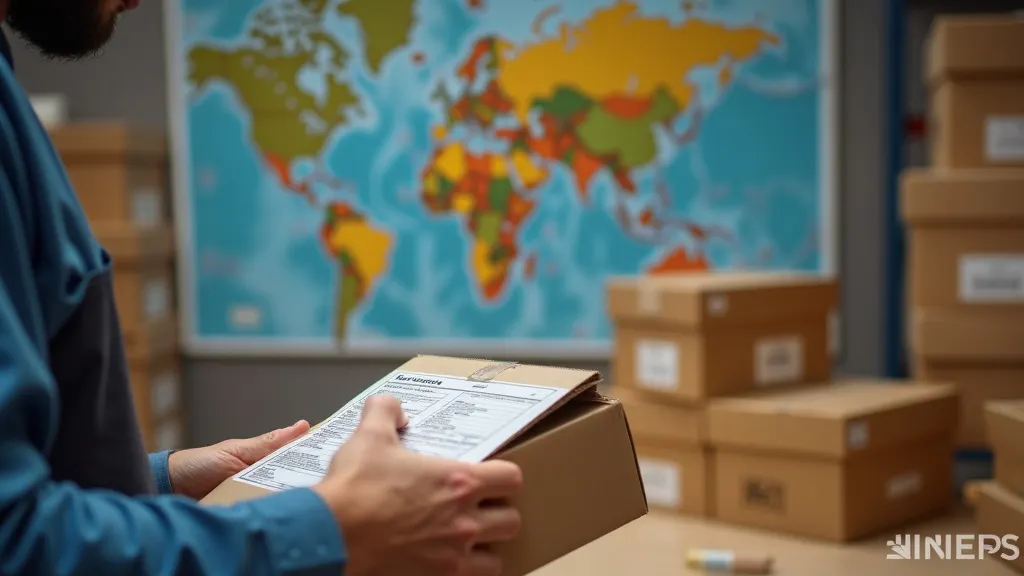
CN22 vs CN23: De Complete 2026 Gids voor Douaneaangifteformulieren voor E-Commerce Verzenders
CN22 vs CN23: De Complete 2026 Gids voor Douaneaangifteformulieren voor E-Commerce Verzenders
Ergens tussen het inpakken van een pakket en het overhandigen aan een vervoerder zit een stap in bijna elke grensoverschrijdende e-commerce zending die nauwelijks aandacht krijgt totdat het misgaat: de douaneaangifte. Voor elk pakket dat de Europese Unie verlaat, of van buiten de EU binnenkomt, neemt die aangifte meestal de vorm aan van een CN22 of een CN23, twee kleine formulieren die meer gevolgen dragen dan hun formaat doet vermoeden.
Vul het formulier verkeerd in, en de rekening komt zelden als waarschuwing. Douaneautoriteiten kunnen een verzender tot 100 procent van de aangegeven waarde van een pakket beboeten voor een onjuiste aangifte, nog los van de vertraging, het geschil, en de klant die inmiddels de klantenservice mailt om te vragen waar de bestelling blijft. Doe het elke keer goed, op schaal, over meerdere vervoerders met verschillende regels, en het wordt juist een van de stillere operationele voordelen die een groeiend e-commercebedrijf kan opbouwen.
Dit weegt in 2026 zwaarder dan twee jaar geleden. De de-minimisvrijstelling van de Europese Unie is verdwenen, er geldt een nieuwe vergoeding per aangifteregel voor pakketten met een lage waarde die de EU binnenkomen, en de handhaving is in meerdere lidstaten aangescherpt. Douanepapierwerk dat ooit een formaliteit was, is nu een kostenpost met echt financieel gewicht bij elke fout.
Wat CN22 en CN23 Precies Zijn
CN22 en CN23 zijn gestandaardiseerde douaneaangifteformulieren die zijn ontwikkeld onder de Wereldpostvereniging (Universal Postal Union), het VN-agentschap dat postbeleid coordineert tussen meer dan 190 lidstaten. Omdat het formaat internationaal gestandaardiseerd is, wordt een CN22 die in Rotterdam is ingevuld op precies dezelfde manier gelezen door een douanebeambte in Melbourne of Toronto, en dat is precies het punt. Beide formulieren bestaan om voor douaneautoriteiten dezelfde kernvragen te beantwoorden: wat zit er in dit pakket, wat is het waard, waar komt het vandaan, en wie is de verzender en ontvanger.
CN22 vs CN23: Welk Formulier Geldt voor Jouw Zending
De twee formulieren zijn niet inwisselbaar, en het verkeerde formulier kiezen is een van de meest voorkomende redenen waarom een grensoverschrijdend pakket bij de douane wordt vastgehouden.
Gewicht- en Waardegrenzen
CN22 is het kortere formulier, een sticker-formaat aangifte voor pakketten tot 2 kilogram met een aangegeven waarde tot 425 Zwitserse frank, een bedrag dat de meeste vervoerders omrekenen naar ongeveer 425 euro, afhankelijk van de wisselkoers die die maand wordt gehanteerd. Het vraagt om een korte inhoudsomschrijving, gewicht, waarde, en een HS-code, de zescijferige internationale code die aangeeft om welk soort goederen het gaat.
CN23 is het uitgebreidere formulier, verplicht zodra een zending een van beide grenzen overschrijdt, doorgaans pakketten tussen 2 en 20 kilogram of boven de waardegrens. Het vraagt om dezelfde kerngegevens als CN22, maar uitgebreider, inclusief een volledigere uitsplitsing van de inhoud, waarden per item, en vaak een aanvullende handelsfactuur of CP71-formulier voor alles met echte commerciele waarde in plaats van een persoonlijk cadeau.
Postvervoerders versus Vervoerders met Handelsfactuur
Welk formulier je nodig hebt, hangt ook af van welke vervoerder het pakket vervoert. Nationale postbedrijven, waaronder PostNL, Deutsche Post, Royal Mail, bpost en Correos, werken nog steeds rechtstreeks met het CN22- en CN23-formaat en hanteren doorgaans een maximum van vijf regelitems per aangifte. Commerciele vervoerders zoals DPD, DHL en UPS werken vaker met een handelsfactuur, die dezelfde douane-informatie in een andere indeling bevat en over het algemeen tot 99 regelitems per zending toestaat. Een bedrijf dat via meerdere vervoerders verzendt, wat inmiddels eerder de norm dan de uitzondering is binnen de Europese e-commerce, moet in de praktijk douanedocumentatie in minstens twee verschillende formaten produceren, afhankelijk van welke vervoerder welke bestelling ophaalt.
Wat er Gebeurt Als een Douaneaangifte Fout Is
Een onjuiste CN22 of CN23 faalt zelden stilletjes. Douaneautoriteiten kunnen de verzender tot 100 procent van de daadwerkelijke waarde van de goederen beboeten voor een aangifte die inhoud, hoeveelheid of waarde verkeerd weergeeft, nog voordat de opslagkosten worden meegerekend terwijl de zending in een douane-entrepot op de afhandeling van het geschil wacht. Een vage inhoudsomschrijving zoals cadeau of goederen op een commerciele zending is een van de snelste manieren om een handmatige controle te veroorzaken. Hetzelfde geldt voor een aangegeven waarde die niet overeenkomt met de daadwerkelijke verkoopprijs, iets wat douanebeambten kunnen en ook daadwerkelijk toetsen aan betaalgegevens, marketplace-vermeldingen, en eerdere zendingen van dezelfde verzender.
De gevolgen reiken verder dan de boete zelf. Een vastgehouden pakket wordt een WISMO-ticket in een supportqueue. Een patroon van douanevertragingen op een specifieke route ondermijnt sluipenderwijs de bezorgbelofte van die route bij het afrekenen, lang voordat iemand de vertraging terugleidt naar een papierwerkprobleem in plaats van een vervoerdersprobleem.
Hoe Je een CN22 of CN23 Correct Invult
De meeste fouten die wij zien, zijn te vermijden en herhalen zich over duizenden zendingen zodra er een verkeerde sjabloon aan de bron wordt gebruikt. De details die het meest bepalend zijn:
- Inhoudsomschrijving: schrijf een nauwkeurige, specifieke omschrijving. Katoenen t-shirt, heren, maat L komt sneller door de douane dan kleding of koopwaar, omdat het een beambte niets te betwisten geeft.
- HS-code: ken elk item een juiste HS-code toe, niet een verzamelcode voor een gemengd pakket. Verkeerd geclassificeerde goederen zijn een van de belangrijkste oorzaken van onjuiste heffingen en controles achteraf.
- Aangegeven waarde: laat deze overeenkomen met de werkelijke transactiewaarde, in de valuta die de vervoerder verwacht, inclusief verzendkosten waar het bestemmingsland dat vereist.
- Land van herkomst: bevestig het werkelijke land van herkomst per item, wat niet altijd het land is van waaruit het pakket wordt verzonden, vooral bij dropshipping of bestellingen met meerdere leveranciers.
- Handtekening en datum: sommige postvervoerders weigeren nog steeds een aangifte zonder ondertekend en gedateerd formulier, fysiek of digitaal.
De Nieuwe EU-Laag van 2026: Vergoeding per Aangifteregel
Sinds juli 2026 geldt een nieuwe vergoeding per aangifteregel voor pakketten die de Europese Unie binnenkomen onder de drempel van 150 euro, in rekening gebracht per regel op de aangifte in plaats van per pakket. Een CN23 met vier afzonderlijke producten draagt nu vier afzonderlijke kostenregels in plaats van een vast bedrag, wat de afweging sluipenderwijs verandert tussen artikelen samenvoegen in een aangifte of juist splitsen over meerdere zendingen. We hebben uitgewerkt wat deze vergoeding betekent voor de marges in onze gids over de nieuwe invoerrechten per item van de EU, en die is de moeite waard om samen met dit artikel te lezen als een aanzienlijk deel van je volume onder die drempel de EU binnenkomt.
Waarom Handmatig Douanepapierwerk Niet Meeschaalt
Een bedrijf dat twintig grensoverschrijdende pakketten per week verzendt, kan een handmatig douaneproces prima aan. Een bedrijf dat er tweeduizend per week verzendt, kan dat niet, niet zonder een toegewijd douaneteam of een oplopend foutenpercentage dat uiteindelijk zichtbaar wordt als boetes, vertragingen en terugbetalingen. De rekensom is simpel. Elke aangifte kost een paar minuten om correct in te vullen. Vermenigvuldig dat met het verzendvolume, tel de mentale belasting op van onthouden welke vervoerder welk formulier nodig heeft en welke HS-code bij welk SKU hoort, en douanepapierwerk wordt sluipenderwijs een fulltime baan waar niemand op had gerekend. Het is hetzelfde patroon dat we terugzien in veel van de handmatige verzendbeslissingen waarover we eerder schreven, van vervoerderskeuze tot factuurcontrole, met douane er stilletjes tussenin.
Hoe Zineps Douaneaangiften Automatiseert voor Elke Vervoerder
Zineps is gebouwd om precies dit soort herhalend, foutgevoelig papierwerk uit de dag van een verzendteam te halen. HS-codes, land van herkomst, en aangegeven waarden worden per product eenmalig vastgelegd en automatisch hergebruikt bij elke zending, in plaats van telkens handmatig opnieuw ingevoerd bij het verzenden van een bestelling. Zodra een label wordt aangemaakt, genereert Zineps automatisch de juiste douanedocumentatie voor de vervoerder die die specifieke zending afhandelt, een CN22 of CN23 voor postvervoerders, een correct opgemaakte handelsfactuur voor DPD, DHL of UPS, zonder dat een magazijnteam hoeft te onthouden welk formaat welke vervoerder verwacht.
Dat telt het zwaarst op precies de momenten waarop handmatige processen vastlopen: een piekseizoen met een volumesprong, de lancering van een nieuwe markt, of een nieuwe vervoerder die aan de mix wordt toegevoegd. Omdat douanegegevens op dezelfde operationele laag leven als rate shopping, tracking en factuurcontrole in plaats van in een aparte spreadsheet, wordt een ontbrekende HS-code of een inconsistente aangegeven waarde opgemerkt voordat een label wordt afgedrukt, niet nadat een pakket al in een douane-entrepot vaststaat. Het is hetzelfde principe achter het bouwen van Zineps als het besturingssysteem voor zendingen, in plaats van een verzameling losse tools die elk maar een deel van het plaatje zien en geen van allen het geheel.
Praktische Checklist Voor Verzending
- Controleer het gewicht en de aangegeven waarde van de zending om te bepalen of een CN22 of CN23 van toepassing is.
- Verifieer de HS-code voor elk product in het pakket, niet alleen het item met de hoogste waarde.
- Laat de aangegeven waarde overeenkomen met de werkelijke transactiewaarde, inclusief verzendkosten waar vereist.
- Bevestig het land van herkomst per item, vooral bij bestellingen met meerdere leveranciers of dropshipping.
- Controleer het maximum aantal regelitems van de vervoerder, vijf bij de meeste postvervoerders, tot 99 bij vervoerders die met een handelsfactuur werken, en splits zendingen die deze grens overschrijden.
- Bewaar een digitaal archief van elke ingediende aangifte, aangezien douaneautoriteiten historische documentatie kunnen opvragen bij een controle.
Veelgestelde Vragen
Wat is het verschil tussen een CN22- en een CN23-formulier?
CN22 wordt gebruikt voor lichtere pakketten met een lagere waarde, doorgaans tot 2 kilogram en 425 Zwitserse frank aan aangegeven waarde. CN23 is verplicht voor zwaardere of duurdere zendingen en vraagt om uitgebreidere informatie over inhoud, waarden per item, en herkomst.
Heb ik naast een CN22 of CN23 ook een handelsfactuur nodig?
Bij zendingen met echte commerciele waarde verwachten de meeste vervoerders en douaneautoriteiten naast de CN22 of CN23 ook een handelsfactuur, met name bij CN23-zendingen en bij elk pakket dat via een vervoerder met handelsfactuur wordt verzonden in plaats van via een nationaal postbedrijf.
Wat gebeurt er als een douaneaangifte onjuist is?
Douaneautoriteiten kunnen de verzender tot 100 procent van de aangegeven waarde van de goederen beboeten, het pakket vasthouden voor handmatige controle, of het terugsturen naar de afzender. Herhaalde onjuistheden van dezelfde verzender leiden doorgaans tot strengere controle bij toekomstige zendingen.
Kunnen douaneaangiften worden geautomatiseerd?
Ja. Platforms zoals Zineps slaan HS-codes, land van herkomst, en aangegeven waarden eenmalig per product op en genereren automatisch de juiste vervoerder specifieke douanedocumentatie op het moment dat een verzendlabel wordt aangemaakt.
Douanepapierwerk Is een Klein Formulier met een Grote Impact
Douanepapierwerk zal nooit het meest spannende onderdeel zijn van het runnen van een grensoverschrijdende e-commerceoperatie, maar het is een van de weinige onderdelen waarbij de kosten van een fout stilletjes oplopen totdat ze zichtbaar worden als een boete, een vertraging, of een klant die nooit meer bestelt. Neem contact op met het Zineps-team om te bespreken hoe geautomatiseerde douanedocumentatie past bij jouw specifieke vervoerdersmix en markten.