
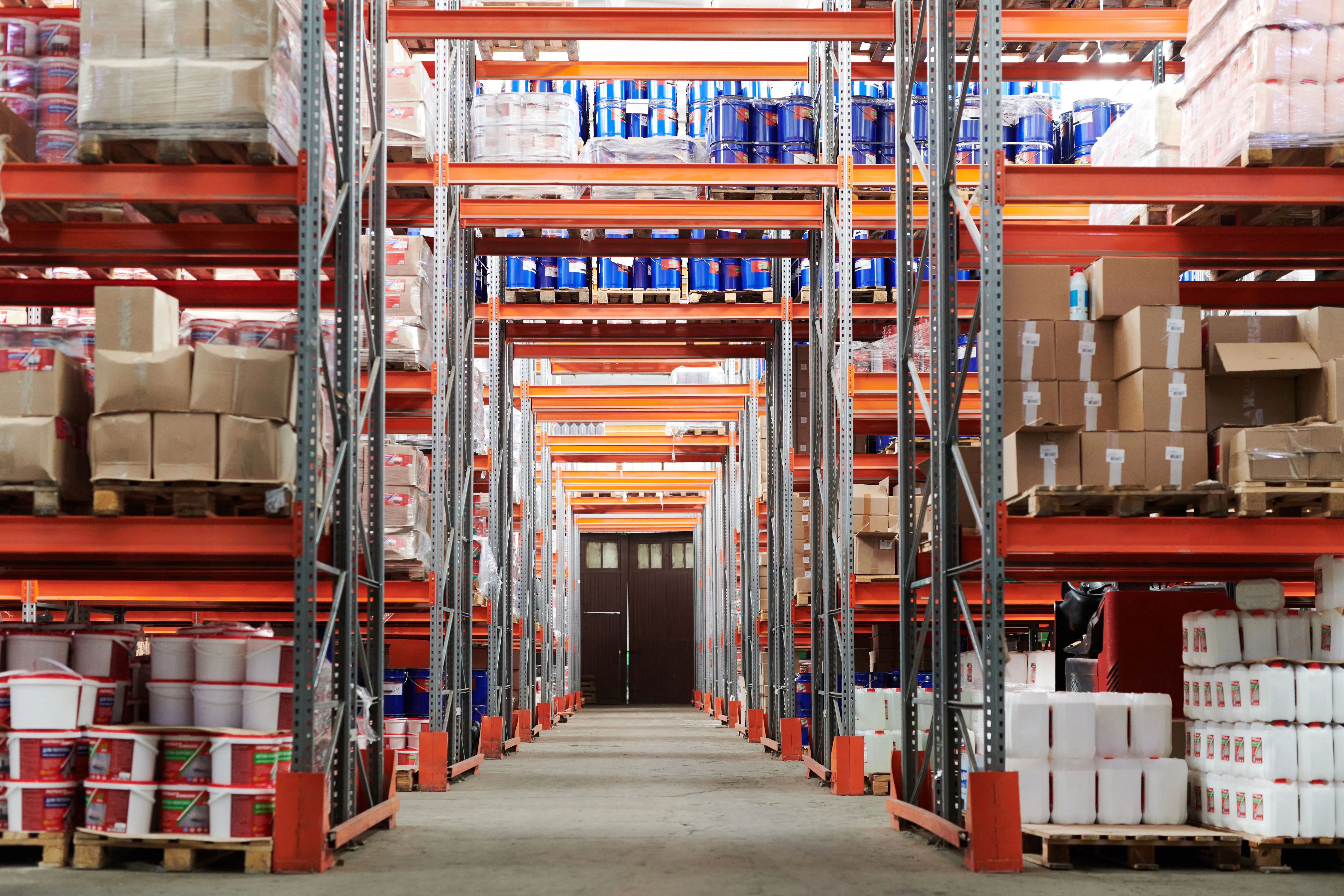
B2B E-Commerce Logistiek in 2026: Hoe Je Complexiteit Beheerst en Omzetverlies Voorkomt
B2B e-commerce groeit in een tempo dat veel logistieke teams heeft overvallen. Terwijl consumentgerichte retail al jaren profiteert van investeringen in moderne fulfilmenttechnologie, heeft de logistieke infrastructuur achter groothandel, distributeur- en fabrikant-naar-retailer e-commerce moeite om bij te blijven. Het resultaat is een groeiende kloof tussen wat B2B-kopers verwachten en wat de meeste B2B-verkopers operationeel kunnen leveren.
In Europa wordt de B2B e-commerce markt in 2026 verwacht boven USD 1,93 biljoen uit te komen, met een samengestelde jaarlijkse groeivoet van 9,7%. De logistieke sector die deze transacties bedient is al $148,6 miljard waard in Europa alleen en wordt verwacht te groeien naar $392,63 miljard tegen 2035. Dit is geen niche. Het is een structurele verschuiving in hoe bedrijven kopen en verkopen.
Toch beheert de meerderheid van B2B e-commerce bedrijven hun verzendoperaties nog altijd via een lappendeken van carrier-portals, handmatige spreadsheets en ERP-uitbreidingen die nooit zijn ontworpen voor moderne multi-carrier logistiek. Het gevolg is operationele schuld: chargebacks van retailkopers, gemiste leveringsvensters, gesegregeerde carrier-data en klantrelaties die schade oplopen door vermijdbare leveringsfouten.
Dit artikel gaat in op de specifieke logistieke uitdagingen die B2B e-commerce in 2026 definiëren, waarom standaard verzendtools tekort schieten en hoe een uniforme Logistics OS de vergelijking verandert.
Waarom B2B Logistiek Fundamenteel Verschilt van B2C
De meeste verzendsoftware en fulfilmentplatforms zijn gebouwd met een B2C-mentaliteit: één bestelling, één pakket, één consument, één adres. B2B logistiek werkt niet op die manier.
Eén enkele B2B-bestelling kan 80 pallets bevatten die via een full-truckload-transport naar een regionaal distributiecentrum worden verzonden, met EDI-gebaseerde advance shipping notices, retailer-specifieke labels en een vooraf bepaald leveringsafspraakvenster, allemaal te bevestigen en in real time te volgen. Het operationele oppervlak is orde van grootte groter dan een consumentenpakket.
De structurele verschillen zijn aanzienlijk. Bestellingscomplexiteit in B2B omvat onderhandelde prijstiers, minimale bestelhoeveelheden, volumegebaseerde vrachtprijzen en meerregelige artikelen die gecoördineerde pick-and-pack vereisen over meerdere magazijnzones. De carriermix omvat pakket, LTL (less-than-truckload), FTL (full truckload) en gespecialiseerde vracht, elk met eigen boekingssystemen, documentatievereisten en tracking-API's. Leveringsvensters worden vaak contractueel gehandhaafd. En de compliancelaag, van routegidsen tot douanelabels, voegt een regelgevingsdimensie toe die de meeste B2C-verzendtools simpelweg negeren.
De 5 Grootste Logistieke Uitdagingen voor B2B E-Commerce in 2026
1. Meerdere Carriertypes Beheren Vanuit Één Platform
Het gemiddelde B2B e-commerce bedrijf gebruikt tussen de vier en zeven carriers in zijn verzendnetwerk, waaronder minimaal twee vrachtcarriers en twee pakketcarriers. Elk heeft zijn eigen boekingsportal, tarievenkaart en trackinginterface.
Zonder een uniforme logistieke laag brengen operationele teams wekelijks uren door met inloggen op afzonderlijke carriersystemen, handmatig tarieven vergelijken en trackingdata reconciliëren. Deze overhead groeit proportioneel met het ordervolume, precies op het moment dat je het je minst kunt veroorloven. De bedrijven die in 2026 concurrentievoordeel behalen, zijn degenen die carrierbeheer hebben gecentraliseerd in één interface, met live tariefvergelijking, geautomatiseerde carrierelectieregels en uniforme zendingstracking over alle carriertypes.
2. Compliance met Retailer Routegidsen
Compliance met routegidsen is de verborgen winstdoder in B2B-fulfillment. Een routegids uitgegeven door een grote retailkoper kan tientallen vereisten bevatten: welke carrier te gebruiken, welk labelformaat toe te passen, hoe EDI-transactiesets te structureren, wanneer leverafspraken te boeken en hoe afwijkingen te behandelen. Non-compliance wordt niet beschouwd als een vergissing. Het wordt beschouwd als een contractbreuk.
Chargebacks voor overtredingen van routegidsen kunnen variëren van 2% tot 5% van de factuurwaarde per bestelling. Op schaal is dat een materiële kostenpost. Nog schadelijker is herhaalde non-compliance, die kan resulteren in verwijdering uit de goedgekeurde leverancierslijst van een koper, wat de commerciële relatie volledig beëindigt. Het antwoord is logistiekautomatisering die routegidsregels in de verzendworkflow verankert, compliance valideert voordat een label wordt gegenereerd en operationele teams waarschuwt wanneer uitzonderingen optreden.
3. EDI- en ERP-Integratiegaten
B2B-orderbeheer verloopt via EDI (electronic data interchange) in de meerderheid van grote-account-relaties. Inkooporders komen binnen als EDI 850-transacties. Advance shipping notices gaan uit als EDI 856. Facturen volgen als EDI 810. Het logistieke team moet deze gestructureerde data-uitwisselingen vertalen naar fysieke verzendinstructies en de resultaten terugreconciliëren in het ERP voordat facturering kan plaatsvinden.
Veel groeiende B2B e-commerce bedrijven draaien een mix van verouderde ERP-systemen zoals SAP, Microsoft Dynamics en Exact, verbonden door handmatige exports of kwetsbare punt-tot-punt-integraties die breken wanneer carrier-API's veranderen of ordervolumes pieken. Een Logistics OS biedt de integratiemiddleware die EDI, ERP, WMS en carriersystemen verbindt in een coherente datastroom, waardoor de handmatige reconciliatie wordt geëlimineerd die momenteel logistieke teamcapaciteit opslokt en foutrisico introduceert bij elke overdracht.
4. Klantspecifieke Prijsstellingen en Leveringsverplichtingen
B2B-kopers onderhandelen. Prijsstelling, leveringsfrequentie, carriervoorkeuren en service level agreements zijn vaak geïndividualiseerd per account. De logistieke uitdaging is dat deze accountspecifieke verplichtingen moeten worden gehandhaafd op operationeel niveau, niet alleen gedocumenteerd in een contract.
Wanneer een sleutelaccount een leveringsvenster van 24 uur heeft onderhandeld met een specifieke carrier, moet die regel automatisch worden weergegeven in het verzendsysteem. Logistiekplatforms die accountniveau verzendregels ondersteunen, geautomatiseerde carrierselectie op basis van kopersprofiel en uitzonderingswaarschuwingen bieden operationele teams de controle die ze nodig hebben om verplichtingen na te komen zonder elke zending handmatig te beheren.
5. Zichtbaarheid Over de Volledige Zendingslevenscyclus
B2B-kopers verwachten proactieve communicatie over hun orders. Wanneer een zending vertraging oploopt bij een vrachtdepot, wil de koper dit weten voordat het leveringsvenster wordt gemist. Volgens branchegegevens vertegenwoordigen WISMO-vragen (Where Is My Order) 30 tot 40% van alle e-commerce ondersteuningscontacten, met kosten van $5 tot $22 per ticket wanneer behandeld door een menselijke medewerker. In B2B, waar accountmanagers het primaire escalatiepunt zijn, zijn de kosten nog hoger, omdat elke WISMO-call relatiekapitaal verbruikt dat tijd kost om te herbouwen.
Real-time tracking, proactieve uitzonderingswaarschuwingen en merkgebonden zendingscommunicatie zijn geen B2C-luxe. Ze zijn B2B-basisvereisten in 2026.
De Kosten van Fouten in B2B Logistiek
De commerciële gevolgen van logistiek falen in B2B stapelen zich op in de tijd. Een vertraagde zending activeert een chargeback. Een chargeback erodeert de marge. Een ontevreden koper verlaagt de bestelfrequentie. Verminderde bestelfrequentie schaadt de lifetime value van het account. En in markten waar herhalingsaankopen het omzetmodel aandrijven, heeft het verliezen van het vertrouwen van een account een buitenproportioneel effect op jaarprognoses.
Supply chain onderzoek toont consistent aan dat leveringsbetrouwbaarheid tot de top drie factoren behoort die B2B-kopers noemen bij het evalueren en behouden van leveranciersrelaties, voor prijsstelling in veel productcategorieën, met name waar de overstapkosten laag zijn. De bedrijven die in 2026 B2B-accounts winnen, zijn niet noodzakelijk de goedkoopste. Ze zijn de meest betrouwbare, transparante en professioneel uitgevoerde logistieke operaties.
Hoe Toonaangevende B2B-Verkopers Hun Logistiek Automatiseren
De rode draad bij B2B e-commerce bedrijven die hun logistieke operaties succesvol hebben opgeschaald, is platformconsolidatie. In plaats van carriers, tracking, documentatie en compliance te beheren in afzonderlijke systemen, investeren ze in één logistieke controlelaag die de volledige operatie orkestreert.
In de praktijk betekent dit geautomatiseerde carrierselectie op basis van orderwaarde, zendingsgewicht, kopersvoorkeur en real-time tariefvergelijking. Het betekent regelgebaseerde compliancehandhaving die routegidsvereisten valideert voordat een label wordt gegenereerd. ERP-verbonden boeking elimineert handmatige gegevensinvoer tussen orderbeheer en carrierboeking. Uniforme trackingfeeds aggregeren statusupdates van alle carriers in één dashboard en activeren proactieve koperscommunicatie. Uitzonderingsbeheerworkflows brengen vertragingen, afwijkingen en complianceproblemen bij het juiste teamlid op het juiste moment.
Deze mogelijkheden bestaan vandaag al. Ze worden ingezet door B2B-verkopers die hebben erkend dat logistiek een concurrentievoordeel is. Voor meer context over de stand van B2B e-commerce biedt de BigCommerce B2B-gids een nuttige referentie.
Een Schaalbare B2B Logistiekstrategie Bouwen: Vijf Stappen
Als je huidige logistieke operaties onder druk staan door groeiende B2B-ordervolumes, volgt het pad vooruit een duidelijke volgorde.
Auditeer je carriermix. Begrijp welke carriers je gebruikt, wat hun contractuele voorwaarden zijn en waar de kloven zitten tussen hun mogelijkheden en de vereisten van je kopers. Multi-carrier dekking over pakket en vracht is niet onderhandelbaar op schaal.
Breng je routegidsblootstelling in kaart. Identificeer welke van je retailaccounts actieve routegidsen hebben en beoordeel je huidige compliancerate. Als je je chargebackrate per account niet kent, is dit je meest urgente startpunt.
Identificeer je integratiegaten. Breng de datastromen in kaart tussen je ERP, WMS, carrier-portals en orderbeheerssystemen. Elke handmatige stap in die stroom is een opschalingknelpunt en een cumulatief foutrisico.
Definieer je accountniveau servicetiers. Documenteer de leveringsverplichtingen die je per account bent aangegaan en verifieer of je logistieke systemen ze automatisch kunnen handhaven. Als ze dat niet kunnen, sluit de kloof zich tegen je naarmate het volume groeit.
Kies een logistiekplatform dat met je meeschaal. Het systeem dat 100 bestellingen per week aankan, zal 1.000 niet aankunnen zonder te breken. Beoordeel logistiekplatforms op carrierconnectiviteit, integratiediepte, automatiseringsmogelijkheid en ondersteuning voor vracht naast pakket, niet alleen op prijs per label.
De Logistics OS voor B2B E-Commerce
Zineps is gebouwd op de overtuiging dat logistiek moet functioneren als een besturingssysteem: een uniforme laag die elke carrier, fulfilmentpartner, magazijn en klantcontactpunt verbindt in een coherent, geautomatiseerd geheel.
Voor B2B e-commerce bedrijven betekent dit één omgeving hebben waar carriercontracten worden beheerd en automatisch worden toegepast op het moment van boeking. Routegidsregels worden gecodeerd en gehandhaafd zonder handmatig toezicht. Trackingdata van vracht, pakket en gespecialiseerde carriers is in real time verenigd. Kopersspecifieke verplichtingen worden automatisch door het systeem nagekomen. Operationele teams hebben volledige zichtbaarheid en uitzonderingsgebaseerde waarschuwingen in plaats van handmatige reconciliatie via losgekoppelde portals.
De B2B e-commerce bedrijven die de Europese markten in het komende decennium zullen leiden, zijn niet noodzakelijk die met de meeste producten of het grootste magazijnoppervlak. Ze zijn de bedrijven die logistiek als infrastructuur behandelen, het opbouwen met dezelfde nauwkeurigheid als hun product- en commerciële operaties, en het inzetten als duurzaam concurrentievoordeel. Dat is de positie die Zineps is gebouwd om jou te helpen bereiken.