
De Unboxing Ervaring Is een Logistiek Probleem: Hoe Wat Er In de Doos Zit Klantloyaliteit Bepaalt
De Unboxing Ervaring Is een Logistiek Probleem: Hoe Wat Er In de Doos Zit Klantloyaliteit Bepaalt
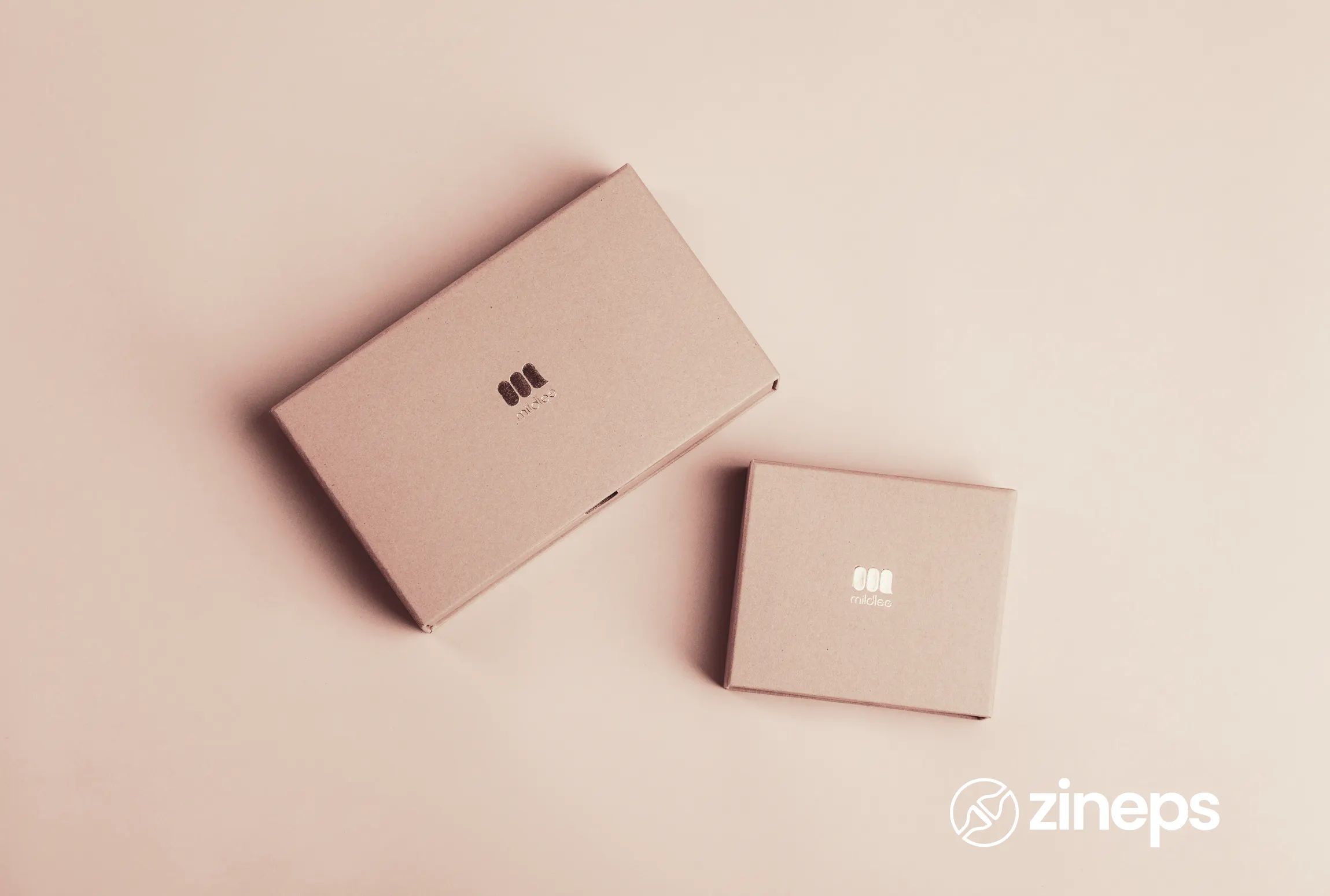
De meeste e-commercemerken zien unboxing als een marketingoefening. Investeer in zijdepapier. Voeg een gebrandmerkte kaart toe. Sluit het af met een lint. Film het. Post het. Klaar.
Maar de merken die daadwerkelijk loyaliteit opbouwen via het unboxingmoment begrijpen iets wat anderen missen: de unboxing ervaring begint niet wanneer de klant de doos opent. Het begint wanneer je magazijn de bestelling ontvangt. Het gaat door bij elke overdracht in je carriernetwerk. En het overleeft of valt uiteen lang voordat de klant in de buurt komt van dat gebrandmerkte zijdepapier.
Daarom zetten bedrijven die investeren in mooie verpakkingen terwijl ze gefragmenteerde logistieke infrastructuur hanteren, geld in vlammen op. De doos is het laatste hoofdstuk van een logistiek verhaal. Als de eerdere hoofdstukken kapot zijn, komt de afronding nooit aan op de manier zoals bedoeld.
Waarom het Unboxingmoment Echt Belangrijk Is
De cijfers achter unboxing zijn het overwegen waard. Volgens e-commerce verpakkingsonderzoek samengesteld door Woola verhoogt gebrande verpakking de herhaalaankooppercentages met 20 tot 25 procent in vergelijking met gewone bruine dozen. Afzonderlijk zegt 41 procent van de consumenten dat gebrande verpakking toekomstige bestellingen aanmoedigt, en 52 procent meldt eerder geneigd te zijn een aankoop te herhalen wanneer bestellingen aankomen in premium of doordacht verpakte dozen.
Dit zijn geen zachte, feelgood-statistieken. Ze vertalen zich direct naar klantlevensduurwaarde, verminderde acquisitiekosten en het soort organische mond-tot-mondreclame dat geen enkel advertentiebudget kan kopen. Unboxingvideo's blijven een van de meest bekeken contentcategorieën op YouTube en TikTok en genereren gratis merkimpressies die in de loop van de tijd toenemen.
Maar hetzelfde onderzoek dat de voordelen van geweldige unboxing viert, onthult ook de kwetsbaarheid ervan. 85 procent van de online shoppers zegt dat ze niet opnieuw zouden bestellen bij een retailer na een slechte bezorgervaring. Dertig procent zegt dat een late bezorging alleen al hen zou weerhouden van een tweede aankoop. En beschadigde verpakking, zelfs zonder een beschadigd product, creëert een perceptieprobleem dat gebrandmerkte inserts en een bedankkaartje niet kunnen oplossen.
De investering in de doos loont alleen wanneer de doos aankomt in de staat en op het moment zoals beloofd.
Waar het Unboxingverhaal Werkelijk Begint
Denk eens na over wat er gebeurt tussen het moment dat een klant een bestelling plaatst en het moment dat ze deze openen.
De bestelling stroomt je magazijn of fulfillmentcentrum binnen. Een picker selecteert de artikelen. Een inpakker assembleert de doos. Een label wordt afgedrukt. Een carrier haalt op. Het pakket beweegt door sorteerhubs, lokale depots en last-mile netwerken. Als het een grens oversteekt, gaat het door de douane. Uiteindelijk landt het bij een huisadres, een pakketkluis of een servicepunt.
Elke stap brengt risico met zich mee. Een carrier met slechte scannaleving betekent dat je klant 36 uur geen trackingupdate krijgt. Een fulfillmentpartner met personeelstekort op een drukke dinsdag betekent dat bestellingen een dag later dan beloofd het magazijn verlaten. Een carrier die pakketten onzorgvuldig behandelt bij het sorteren betekent dat je doos gedeukt aankomt, wat betekent dat je zijdepapier en lint in de prullenbak belanden.
Niets van dit alles is zichtbaar voor je marketingteam wanneer ze de unboxing ervaring ontwerpen. Maar al dit alles wordt gevoeld door de klant wanneer ze het ontvangen.
De Drie Meest Voorkomende Manieren Waarop Logistiek de Merkbelofte Breekt
Bezorgtijdproblemen
Een belangrijk deel van wat unboxing memorabel maakt, is anticipatie. Wanneer je next-day delivery belooft, bouwt de klant een mentaal model rondom dat. Wanneer het pakket drie dagen te laat aankomt zonder uitleg, heeft de merkrelatie al een klap gekregen voordat de klant de doos aanraakt. Tijdsbeloftes die bij het afrekenen worden gedaan, moeten worden ondersteund door logistieke infrastructuur die ze daadwerkelijk kan waarmaken.
Schade tijdens transport
Gebrande verpakking is duur. Aangepaste dozen, bedrukte interieurs, zijdepapier, inserts: het voegt allemaal eenheidskosten toe. Wanneer een carrier dat pakket behandelt met dezelfde onverschilligheid als een generieke bruine doos, is het resultaat een verfrommeld, gebutst pakket dat alles tegenspreekt wat het merk probeerde te communiceren. Schadecijfers variëren aanzienlijk per carrier, en zonder zicht op prestaties op pakketniveau weten de meeste bedrijven niet welke carriers consequent hun dozen beschadigen.
Ontbrekende tracking en communicatie
De ervaring van wachten op een pakket is deel van de unboxing ervaring. Een klant die zijn bestelling in real time kan volgen, komt in een betere stemming aan bij het openingsmoment dan iemand die twee dagen lang een statische trackingpagina heeft zitten vernieuwen. Proactieve, nauwkeurige communicatie tijdens transport bouwt spanning op. Stilte, of erger, onnauwkeurige updates, creëert angst die de hele ervaring kleurt.
Carrierselectie Is een Merkkeuze
De meeste verzendkeuzes worden op basis van kosten gemaakt. Dat is begrijpelijk, maar het is ook waar veel merken onbedoeld de ervaring ondermijnen die ze hard hebben gewerkt om te creëren.
Niet alle carriers presteren gelijkmatig op alle routes, pakkettypes of bezorgvensters. Een carrier die consistent presteert tegen een concurrerende prijs voor stedelijke postcodes, kan het heel anders doen op plattelandsroutes of internationale zendingen. Een carrier met uitstekende same-day mogelijkheden kan standaardpakketten onzorgvuldig behandelen. Een carrier die de laagste prijs biedt op dinsdag kan overweldigd zijn op donderdag tijdens piekperiodes.
Carriers selecteren op basis van eenheidskosten alleen betekent een inconsistente bezorgervaring accepteren als structureel kenmerk van je bedrijf. De betere aanpak is om de carrierselectie af te stemmen op pakketwaarde, klantsegment, bezorgbelofte en route, en volume te verschuiven wanneer prestatiedata suggereert dat een carrier niet voldoet aan de standaard die je merk vereist.
Dit is precies het soort logica dat een multi-carrier logistieke infrastructuur mogelijk maakt. Wanneer je zendingen dynamisch kunt routeren op basis van carrierprestaties, bezorgbelofte en pakketkenmerken, maak je van carrierselectie een merkkeuze in plaats van een standaard op basis van kosten.
Onderzoek uit het Sendcloud E-Commerce Delivery Compass bevestigt dat 61 procent van de Europese shoppers naar een concurrent zou overstappen na één enkele mislukte bezorging. De carrier is het gezicht van je merk in die laatste kilometer, of je ze nu bewust hebt gekozen of standaard hebt ingesteld.
Fulfillment Afstemming Doet Er Meer Toe dan Verpakkingsontwerp
Een prachtige doos is nutteloos als die een dag te laat het magazijn verlaat, ingepakt door een fulfillmentpartner die snelheid boven zorgvuldigheid stelt, en overhandigd aan een carrier wiens netwerk je geen inzicht in hebt.
De bedrijven die consequent uitstekende unboxing ervaringen leveren, zijn niet noodzakelijkerwijs de bedrijven met de meest creatieve verpakking. Het zijn de bedrijven waar de logistieke infrastructuur onder de verpakking is afgestemd op de merkbelofte daarboven.
Dit betekent fulfillmentpartners die de verpakkingsnormen begrijpen en ze consistent volgen. Het betekent SLA's die worden gehandhaafd met data in plaats van alleen papieren afspraken. Het betekent carrierprestatie-inzicht op zendingsniveau, niet alleen in het aggregaat. Het betekent geautomatiseerde escalatie wanneer een pakket een uitzonderingsstatus krijgt. En het betekent proactieve klantcommunicatie die verwachtingen beheerst voordat problemen klachten worden.
Niets hiervan vereist buitengewone logistieke complexiteit. Het vereist een logistieke infrastructuur die verbonden, meetbaar en responsief is.
Hoe Zineps Consistente Unboxing op Schaal Mogelijk Maakt
Het Zineps Logistics OS is gebouwd op een eenvoudige overtuiging: de operationele laag van e-commerce moet net zo beheersbaar zijn als de commerciële laag. Je investeert in product, in marketing, in klantervaring. Je logistieke infrastructuur moet dat alles ondersteunen, niet ondermijnen.
Voor e-commercemerken die een doordachte unboxing ervaring opbouwen, biedt Zineps de operationele ruggengraat die consistentie mogelijk maakt.
Carrierprestatiebewaking op zendingsniveau
In plaats van prestatiedata over duizenden zendingen te aggregeren om een maandelijkse trend te vinden, brengt Zineps carrierprestaties in real time op het individuele pakketniveau naar boven. Als een specifieke carrier schade veroorzaakt op een specifieke route, komt dat signaal onmiddellijk naar voren in plaats van na een maand teleurgestelde klanten. Dit stelt bedrijven in staat volume proactief te verschuiven, voordat de merkschade toeneemt.
Multi-carrier routering met merklogica
Zineps ondersteunt routeringslogica die verder gaat dan kosten. Je kunt regels configureren die hoogwaardige zendingen doorsturen naar carriers met betere hanteringsprestaties, carriers met bewezen prestaties op specifieke bezorgvensters prioriteren, of automatisch escaleren naar een premium carrier wanneer een bezorgbelofte anders zou worden gemist. De carrier wordt een bewuste keuze in plaats van een nagedachte.
Fulfillmentpartner zichtbaarheid
Wanneer Zineps verbinding maakt met je fulfillmentpartners, creëert het een enkel overzicht van wat er in je logistieke netwerk gebeurt. Orderverwerkingstijden, verzendsnelheden, uitzonderingsbehandeling: alles zichtbaar op één plek. Dit betekent dat de mensen die verantwoordelijk zijn voor de klantervaring daadwerkelijk de data hebben die ze nodig hebben om het te beheren.
Proactieve communicatie-infrastructuur
De post-purchase ervaring, van verzending tot bezorging, is een communicatieuitdaging net zozeer als een logistieke. Zineps maakt geautomatiseerde, gebrande trackingcommunicaties mogelijk die klanten op elk moment van de zendingsreis op de hoogte houden, WISMO-tickets verminderen en de emotionele toestand verbeteren waarin een klant aankomt bij het moment van unboxing.
Hoe Geweldige Unboxing Infrastructuur Eruitziet
De merken die in de komende drie jaar echte concurrentievoordelen door unboxing zullen opbouwen, zijn niet degenen die de duurste dozen kopen. Het zijn de merken die unboxing erkennen als een logistieke discipline, niet alleen een ontwerpdiscipline.
Dat betekent verzendinfrastructuur die de fysieke integriteit beschermt van wat is verpakt. Het betekent carriernetwerken die worden geselecteerd en bewaakt op basis van merknormen, niet alleen kostenstreefcijfers. Het betekent fulfillmentoperaties die zijn afgestemd op de klantervaring die wordt gecreëerd. Het betekent post-purchase communicatie die anticipatie opbouwt in plaats van angst. En het betekent data die problemen snel genoeg aan de oppervlakte brengt om er actie op te ondernemen.
Dit zijn geen aspiratieve mogelijkheden. Ze bestaan vandaag. De bedrijven die ze nu opbouwen, voordat unboxing een standaardverwachting wordt in plaats van een onderscheidende factor, zijn degenen die zullen profiteren van de loyaliteitssamenstelling die volgt.
De Unboxing Kans Is Nog Open
Voor alle aandacht die het ontvangt in marketingkringen, blijft de unboxing ervaring structureel onderbelegd op het logistieke niveau in de meeste e-commercebedrijven. Het gat tussen de merkambitie en de operationele realiteit is waar de kans zit.
Als je een merk opbouwt waar de klantervaring ertoe doet en waar herhaalaankoop een statistiek is waar je om geeft, is de vraag die je moet stellen niet of je moet investeren in het unboxingmoment. De vraag is of je logistieke infrastructuur werkelijk in staat is het te leveren.
De doos is het laatste hoofdstuk. Zorg ervoor dat de eerdere de moeite waard zijn om te lezen.