
Duurzame Zeevracht Krijgt een Praktijktest in Barcelona
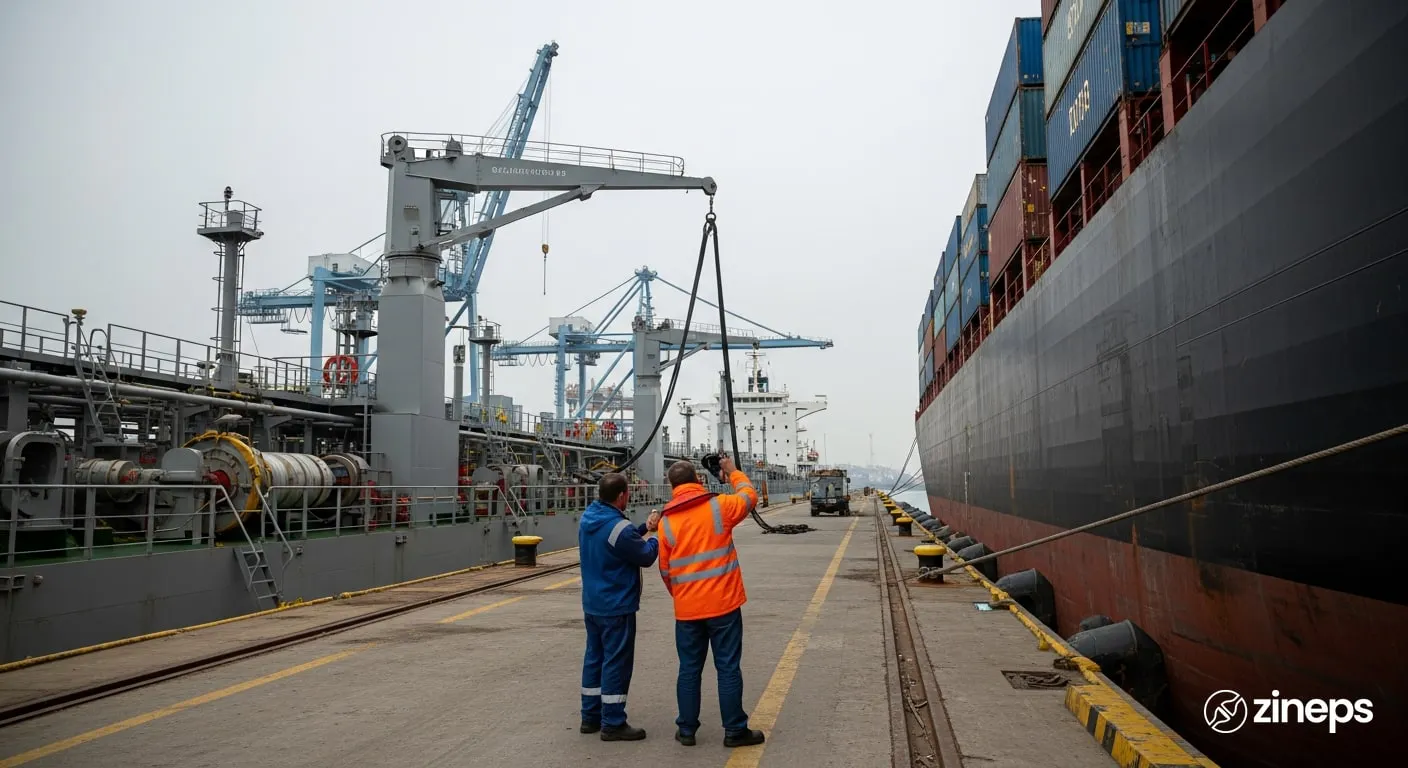
Duurzaamheidsclaims in de zeevracht zijn makkelijk te maken en moeilijk te verifiëren, daarom is een concrete, unieke bunkeroperatie de moeite van het opmerken waard. In de haven van Barcelona heeft brandstofleverancier Repsol 2.800 ton bio-ethanol geleverd aan de Antonia Maersk, een containerschip met een capaciteit van 16.000 TEU, in wat beide bedrijven omschrijven als de eerste operatie van dit type in Barcelona en een van de eerste in het Middellandse Zeegebied.
De meeste duurzaamheidsberichten in de zeevracht komen binnen als een doelstelling, een belofte of een reductiepercentage voor een toekomstig jaar. Die aankondigingen doen ertoe, maar ze zijn lastig om vandaag op te handelen omdat er nog niets concreets is om naar te wijzen. Een met naam genoemd schip dat een met naam genoemde brandstof inneemt in een met naam genoemde haven, op een specifieke datum, is een geheel andere categorie informatie, en het is precies het soort detail waarmee een merk iets precies kan zeggen in plaats van iets aspirationeels.
Voor de meeste mensen buiten de scheepvaartindustrie zou een enkele bunkeroperatie geen nieuws zijn. Maar voor e-commercemerken die steeds vaker worden gevraagd te rapporteren over de emissies in hun toeleveringsketen, inclusief de zeevracht die hun voorraad verplaatst, is dit soort operatie een concreet datapunt in een gebied dat vooral gevuld is met beloftes en persberichten in plaats van geleverde brandstof.
Begrijpen wat er precies is gebeurd, en wat dit wel en niet zegt over het tempo van verandering in de zeevracht, is nuttige context voor elke e-commerce operator die nadenkt over hoe verzendemissies passen in het eigen duurzaamheidsverhaal.
Wat Er Is Gebeurd in de Haven van Barcelona
De bunkeroperatie zelf was eenvoudig qua mechaniek maar opvallend qua uitvoering. Repsol leverde 2.800 ton bio-ethanol aan de Antonia Maersk via de Bahía Candela, een bunkerschip dat wordt geëxploiteerd door Mureloil. Tijdens de brandstofoverdracht draaide de Bahía Candela op een batterijsysteem, wat de bedrijven omschrijven als het mogelijk maken van nul lokale emissies voor de overdracht zelf, bovenop de lagere levenscyclusemissies van de geleverde bio-ethanol.
De operatie wordt neergezet als een primeur voor de haven van Barcelona en een van de vroegste in zijn soort in het hele Middellandse Zeegebied. Dat is minder belangrijk vanwege het volume, één bunkeroperatie zal de emissies van een hele vloot niet wezenlijk veranderen, en meer omdat het aantoont dat de brandstofketen en haveninfrastructuur die hiervoor nodig zijn, nu herhaalbaar bestaan in een grote Middellandse Zeehaven.
Het is ook de moeite waard hier duidelijk te zijn over de schaal. Een enkele bunkeroperatie van 2.800 ton is een fractie van wat een schip van 16.000 TEU verbruikt over zelfs maar één lange reis, en bij lange na niet genoeg brandstof om een wereldwijd netwerk aan te drijven. De betekenis zit in het precedent, niet in de tonnage: aantonen dat de toeleveringsketen en infrastructuur werken is het moeilijkere probleem om op te lossen, en volume volgt doorgaans zodra die basis er ligt.
Waarom Ethanol, en Waarom Nu
De interesse van Maersk in ethanol is geen eenmalig experiment. De Laura Maersk, een kleiner voedingsschip met een capaciteit van 1.800 TEU, testte ethanol al in 2023 als scheepsbrandstof, en voer zowel op 100 procent ethanol als op ethanol-methanolmengsels. Die eerdere test lijkt de beslissing te hebben gevoed om op te schalen naar een veel groter schip met deze bunkeroperatie in Barcelona.
Methanolschepen Openden de Deur naar Ethanol
Maersk exploiteert momenteel 23 dual-fuel containerschepen die zijn ontworpen om op methanol te varen, onderdeel van een bredere sectorbrede verschuiving naar methanol als koolstofarmer alternatief voor conventionele bunkerbrandstof. Ethanol is chemisch compatibel genoeg met methanolmotoren dat Maersk het nu verkent als extra optie voor diezelfde vloot, waardoor de pool van koolstofarmere brandstoffen waar die schepen op kunnen varen effectief wordt verbreed in plaats van afhankelijk te blijven van alleen methanolaanvoer.
Die flexibiliteit is van belang in een brandstoftransitie die nog zijn weg zoekt. Alternatieve scheepsbrandstoffen kennen elk hun eigen beperkingen in de toeleveringsketen, de beschikbaarheid verschilt per regio, en de prijsstelling is nog niet stabiel. Een scheepsklasse die op meer dan één koolstofarme brandstofoptie kan varen, is minder kwetsbaar voor een tekort of prijspiek in een van die opties.
De keuze voor ethanol zegt ook iets over pragmatisme in de brandstoftransitie. In plaats van te wachten tot één perfecte brandstof op schaal beschikbaar komt, bouwt Maersk aan een vloot die kan schakelen tussen meerdere koolstofarmere opties naarmate beschikbaarheid en prijzen verschuiven. Dat soort afdekking lijkt sterk op dezelfde logica die verladers richting multi-carrier strategieën duwt: vertrouwen op één optie, hoe veelbelovend ook, is riskanter dan kunnen kiezen uit meerdere.
De Zakelijke Impact: Waarom Dit Verder Reikt Dan Eén Havenbezoek
E-commercemerken staan onder toenemende druk, van toezichthouders, retailpartners en steeds vaker van klanten zelf, om verantwoording af te leggen over de emissies in hun logistiek, niet alleen in hun fabrieken of kantoren. Zeevracht is doorgaans een aanzienlijk deel van die voetafdruk voor elk merk dat internationaal inkoopt, en tot voor kort waren de meeste beschikbare hendels gericht op efficiëntie (vollere containers, betere routering) in plaats van daadwerkelijk koolstofarmere brandstof.
Een echte bunkeroperatie, met een met naam genoemd schip, een met naam genoemde brandstofleverancier en een specifieke geleverde tonnage, is een concreter datapunt dan de algemene decarbonisatiebelofte van een rederij. Het signaleert dat op zijn minst een deel van de capaciteit op sommige routes richting meetbaar koolstofarmere brandstof beweegt, wat ertoe doet als een merk iets specifiekers wil rapporteren dan een gemiddelde branche-emissiefactor voor zijn zeevracht.
Niets hiervan gebeurt van de ene op de andere dag, en scepsis is op zijn plaats. Er zijn de afgelopen jaren genoeg pilots met alternatieve brandstoffen geweest die niet verder zijn opgeschaald dan een handvol showcasereizen. Wat deze operatie de moeite waard maakt om te volgen, is de combinatie van een groot schip, een met naam genoemde commerciële partner en een herhaalbaar havenproces, in plaats van een eenmalige demonstratie getimed voor een persbericht.
Het is ook een vroeg signaal van waar de investeringen van rederijen naartoe gaan. Rederijen die alternatieve bunkerrelaties opbouwen in grote hubs zoals Barcelona, positioneren specifieke schepen en routes als koolstofarmere optie, vooruitlopend op strengere regelgeving in sommige markten. Merken die toegang willen tot die opties naarmate ze opschalen, hebben er baat bij nu al te weten welke rederijen en routes het verst gevorderd zijn, in plaats van dat gesprek pas te beginnen zodra vraag naar groenere vracht competitief wordt.
Er zit hier ook een competitief aspect aan. Naarmate meer rederijen hun eigen mijlpalen op het gebied van alternatieve brandstoffen aankondigen, zullen merken die kunnen wijzen op specifieke, verifieerbare stappen in de brandstofmix van hun verzendpartners het makkelijker hebben met het beantwoorden van duurzaamheidsvragen dan merken die op branchegemiddelden vertrouwen. Dat verschil tussen specifieke en generieke claims zal de komende jaren waarschijnlijk groter worden, niet kleiner.
Wat E-commerce Operators Zouden Moeten Doen
- Vraag rederijpartners rechtstreeks welke schepen of routes vandaag daadwerkelijk op koolstofarmere brandstoffen varen, in plaats van te vertrouwen op algemene duurzaamheidsmarketing.
- Breng je eigen rapportageverplichtingen voor Scope 3-emissies van zeevracht in kaart voordat een klant, investeerder of toezichthouder om specifieke cijfers vraagt die je niet kunt geven.
- Behandel een koolstofarmere verzendoptie tegen een bescheiden meerprijs als een reële keuze om te overwegen in plaats van die meteen af te wijzen, aangezien het kostenverschil bij brandstoffen zoals ethanol en methanol doorgaans kleiner wordt naarmate de adoptie toeneemt.
- Volg welke rederijen daadwerkelijk investeren in bunkerinfrastructuur voor alternatieve brandstoffen, aangezien dat een betere voorspellende indicator is dan beloftes alleen.
- Vermijd het doen van specifieke emissieclaims naar je eigen klanten op basis van één enkele aankondiging van een leverancier, en verifieer welk deel van je daadwerkelijke zendingen zou draaien op een koolstofarmere optie.
- Houd de routering flexibel genoeg om volume te verschuiven naar koolstofarmere opties naarmate die op meer routes beschikbaar komen, in plaats van vast te zitten aan één rederijrelatie.
Veelgestelde vragen
Wat is bio-ethanol bunkeren?
Bunkeren is het proces van brandstof leveren aan een schip, en bio-ethanol bunkeren betekent het leveren van ethanolgebaseerde brandstof in plaats van conventionele bunkerbrandstof, meestal aan een schip dat is gebouwd of aangepast om hierop te varen als alternatief voor fossiele scheepsbrandstof.
Is bio-ethanol al een mainstream scheepsbrandstof?
Nog niet. Dit soort grootschalig bunkeren wordt nog omschreven als een primeur voor de haven waar het gebeurt, en het volgt op kleinschaligere tests op voedingsschepen, dus het vertegenwoordigt een vroege maar reële stap in plaats van een brandstof die al breed commercieel wordt gebruikt.
Kost een koolstofarmere zeevrachtoptie op dit moment meer?
Vaak wel, in ieder geval bij de huidige adoptieniveaus, al wordt het verschil doorgaans kleiner naarmate brandstofketens en bunkerinfrastructuur opschalen, wat mede verklaart waarom operaties zoals deze in Barcelona verder reiken dan hun directe volume.
Eén bunkeroperatie zal de zeevracht niet op zichzelf decarboniseren, maar het is een nuttige herinnering dat de verschuiving naar koolstofarmere scheepvaart route voor route en schip voor schip gebeurt, niet allemaal tegelijk. E-commercemerken die een echt antwoord willen geven wanneer hen wordt gevraagd naar hun verzendemissies, hebben dezelfde flexibiliteit nodig die rederijen inbouwen in hun brandstofkeuzes, de mogelijkheid om volume te routeren naar de optie die past, welke rederij of route die ook biedt. Dat is precies het soort aanpassingsvermogen dat een multi-carrier Logistics OS voor e-commerce zoals Zineps is gebouwd om te ondersteunen.