
Europa's Droogte Is Een Waarschuwing Voor Supply Chain Veerkracht
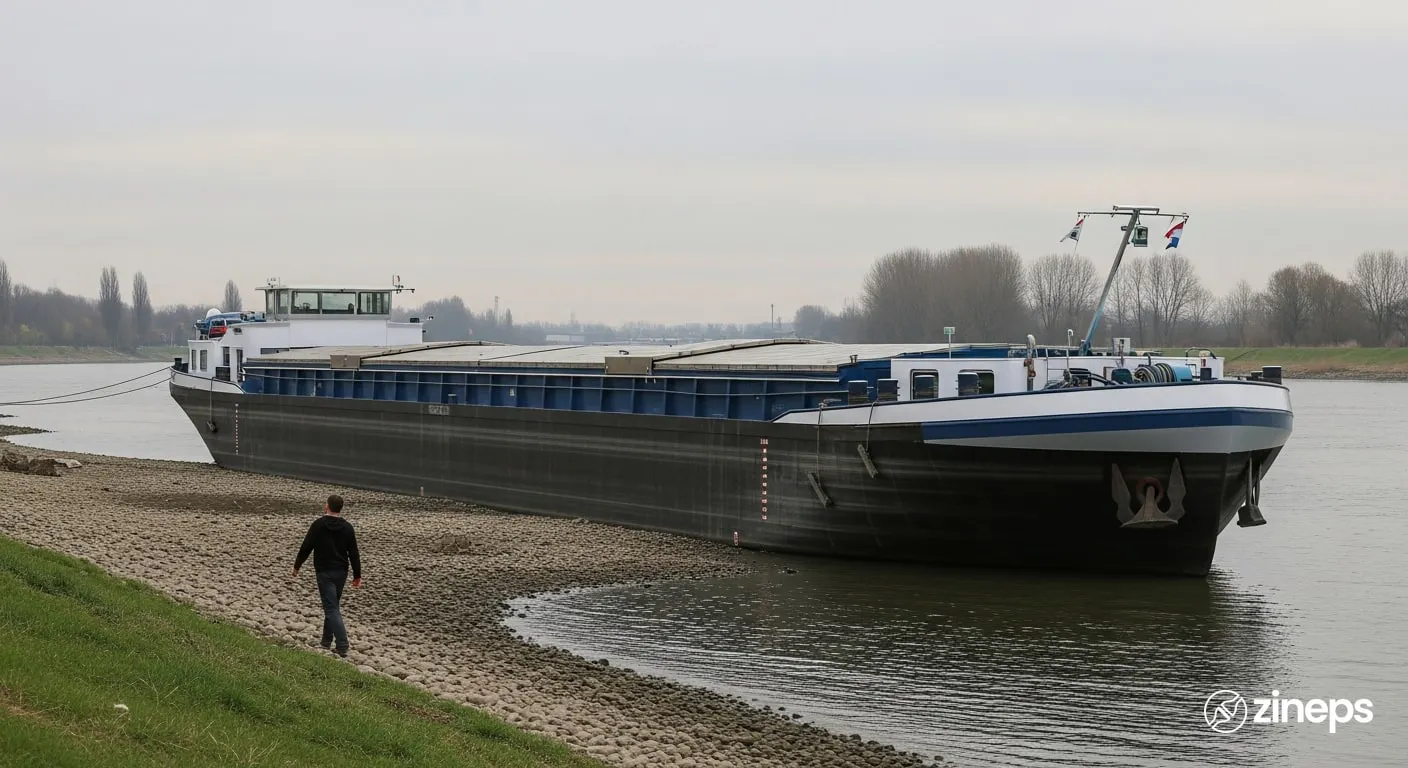
Supply chain veerkracht in Europa wordt op de proef gesteld door iets waar geen enkel carriercontract of piekseizoenplan rekening mee houdt: het weer. De Donau bereikte in Roemenië het laagste niveau sinds 1996 na weken van intense hitte en droogte, en ook de Duitse Rijn is fors gedaald, waardoor vrachtschepen minder lading kunnen meenemen op twee van de belangrijkste binnenvaartroutes van het continent.
Dit zijn geen decoratieve rivieren. Alleen al de Rijn vervoert een aanzienlijk deel van de vracht die tussen de haven van Rotterdam en het Duitse industriële hart beweegt, en voedt daarmee chemische fabrieken, staalbedrijven en de distributienetwerken die goederen naar magazijnen in de Benelux en daarbuiten laten stromen. Wanneer het water te ondiep wordt voor binnenschepen om normaal te laden, verdwijnt die vracht niet. Ze wordt doorgeschoven naar wegtransport en spoor, netwerken die nooit zijn gebouwd met de reservecapaciteit om dat op te vangen.
Voor een e-commerce operator kan dit lijken op een probleem van de zware industrie, niet van pakketbezorging. Dat is het niet. Vertragingen in inkomende vracht planten zich voort door een supply chain. Een fabrikant die langer moet wachten op grondstoffen, verzendt afgewerkte producten later. Een distributiecentrum dat voorraad te laat ontvangt, heeft minder tijd om te picken, te verpakken en een pakket aan een vervoerder te overhandigen vóór een beloofde bezorgdatum. Supply chain veerkracht begint ver stroomopwaarts van de last mile, en laag water op de Rijn is precies het soort stroomopwaartse schok dat uiteindelijk zichtbaar wordt als een gemiste bezorgbelofte.
Waarom de Rijn en de Donau Ertoe Doen Voor Europese Retaillogistiek
Binnenvaart is een van de goedkoopste en meest koolstofarme manieren om zware of omvangrijke goederen door Europa te vervoeren, en precies daarom is zoveel van de industriële en retailsupply chain van het continent ervan afhankelijk. Eén binnenschip kan het equivalent van tientallen vrachtwagenladingen in één keer vervoeren, en binnenvaartroutes verbinden Noordzeehavens rechtstreeks met productie- en distributieknooppunten diep in Duitsland, Oostenrijk en Zuidoost-Europa.
Die efficiëntie kent een verborgen aanname: genoeg water in de rivier om een volgeladen binnenschip op een werkbare diepgang drijvend te houden. Meestal klopt die aanname en draait het systeem stilletjes op de achtergrond van de Europese handel. Tijdens een langdurige droogte klopt ze niet, en er staat geen snelle vervanging klaar. Wegtransport en spoor kunnen een deel van het omgeleide volume opvangen, maar beide draaiden al bijna op volle capaciteit in grote delen van West-Europa, nog vóór deze druk begon.
Dit geldt net zo goed voor afgewerkte consumentengoederen als voor ruwe chemicaliën en staal. Onderdelen en verpakkingsmateriaal voor de producten die in een Europees fulfilmentcentrum liggen, leggen vaak een deel van hun reis af via de binnenvaart voordat ze een magazijn bereiken. Een verstoring op de rivier wordt weken later zichtbaar als een tekort in het schap, niet als een kop in het nieuws over waterstanden.
Het Mechanisme Achter Een Door Droogte Veroorzaakte Vrachtkrapte
Laag water vertraagt binnenschepen niet alleen. Het dwingt ze minder lading mee te nemen. Operators verlagen het laadgewicht om voldoende diepgang onder de romp te houden, wat betekent dat er meer trajecten nodig zijn om hetzelfde totale volume te vervoeren, of verladers accepteren tragere, gedeeltelijke leveringen verspreid over extra reizen. Hoe dan ook, de effectieve capaciteit op de vaarweg daalt ruim voordat de rivier helemaal onbevaarbaar wordt.
Dat capaciteitsgat moet ergens naartoe. Expediteurs boeken meer vracht- en spoorslots om het tekort op te vangen, wat de capaciteit op die modaliteiten verkrapt en de spotprijzen opdrijft doordat de vraag het beschikbare aanbod aan vrachtwagens en wagons overstijgt. Een droogte honderden kilometers van elke kust verhoogt uiteindelijk de kosten van goederen die nooit rechtstreeks een binnenschip aanraken, simpelweg omdat de alternatieve transportmodaliteiten nu drukker bezet en duurder zijn.
Een Terugkerend Risico, Geen Eenmalige Gebeurtenis
Europese rivieren hebben al eerder ongewoon laag gestaan, en het patroon wordt steeds herkenbaarder voor logistiek planners dan het ooit was. Langdurige droge, hete zomers zijn geen eenmalig uitzonderlijk jaar om uit te zitten. Ze zijn een terugkerend kenmerk waar binnenlandse vrachtnetwerken nu rekening mee moeten houden, net zoals zeevaartmaatschappijen rekening houden met seizoensgebonden weerpatronen of kanaalautoriteiten met door droogte veroorzaakte diepgangbeperkingen elders in de wereld.
Hoe Dit Rotterdam, Antwerpen en Benelux Fulfilment Raakt
Rotterdam en Antwerpen-Brugge liggen aan de monding van precies de riviersystemen die onder druk staan, waardoor ze de poort zijn waar deze verstoring als eerste wordt gevoeld door Europese handelaren. Containers en bulklading die in deze havens aankomen voor verdere binnenlandse distributie, leunen op binnenvaartverbindingen als een van de standaard, kosteneffectieve manieren om achterlandmagazijnen te bereiken zonder extra vrachtwagens toe te voegen aan al overvolle snelwegen.
Wanneer de binnenvaartcapaciteit krapper wordt, wacht lading bestemd voor Benelux- en Duitse distributiecentra langer in de haven, of verschuift ze naar vrachtwagens, wat kosten toevoegt en, tijdens piekperiodes, vertraging veroorzaakt doordat wegcapaciteit wordt opgeslokt door verplaatst volume. Voor een handelaar die orders vervult vanuit een Benelux-magazijn kan dat betekenen dat voorraad later aankomt dan gepland, precies in de weken waarin betrouwbare aanvulling het meest telt.
Multimodale Back-upopties Zijn Niet Automatisch
Het is verleidelijk om aan te nemen dat als een binnenschip geen lading kan vervoeren, een vrachtwagen dat gewoon overneemt. In de praktijk werkt die vervanging alleen soepel als de vracht- en spoorcapaciteit, en de contracten om er toegang toe te krijgen, al bestaan vóór de verstoring toeslaat. Op de spotmarkt noodcapaciteit op de weg boeken tijdens een regionale krapte, terwijl elke andere verplaatste verlader hetzelfde probeert, is trager en aanzienlijk duurder dan flexibele multimodale opties vooraf regelen.
Dat is precies wat de meeste standaard vrachtcontracten missen. Een contract dat één modaliteit en één route noemt, werkt prima totdat precies die modaliteit of route krap wordt, en op dat moment maakt het ontbreken van een vooraf geregeld alternatief van een regionale weersgebeurtenis een bedrijfsspecifiek bezorgprobleem.
Wat Dit Betekent Voor E-commerce Operators
De meeste e-commerce merken boeken geen binnenvaartvracht rechtstreeks. Hun blootstelling loopt indirect, via leveranciers, fabrikanten en logistiek dienstverleners die dat wel doen. Dat maakt het risico makkelijk te missen totdat het zich toont als een vertraagde inkomende zending zonder duidelijke verklaring.
De praktische reactie is niet de volgende droogte voorspellen. Het is een logistieke opzet bouwen die flexibel genoeg is zodat geen enkele modaliteit, route of carrierstoring een single point of failure wordt voor de hele operatie. Die flexibiliteit moet bestaan vóór de verstoring, niet in allerijl worden samengesteld zodra de voorraad al krap wordt.
Er is ook een afweging die eerlijk benoemd moet worden. Meer veiligheidsvoorraad aanhouden en routes spreiden kost geld, en lean, just-in-time voorraad heeft echte efficiëntievoordelen zolang niets misgaat. De afweging voor een operator is niet in het algemeen kiezen tussen veerkracht en efficiëntie. Het is bepalen hoeveel buffer de moeite waard is op precies die trajecten waar een bekend seizoensrisico, zoals een zomerse droogte op de Rijn, verstoring waarschijnlijker maakt dan gebruikelijk.
- Vraag belangrijke leveranciers en 3PL's rechtstreeks of hun inkomende vracht afhankelijk is van Rijn- of Donauroutes
- Bouw buffertijd in aanvullingsschema's tijdens zomermaanden wanneer het droogterisico het hoogst is
- Houd back-up carrier- en routeringsopties aan voor zowel inkomende vracht als uitgaande pakketbezorging
- Spreid veiligheidsvoorraad over meer dan één distributiepunt waar het bestelvolume dat rechtvaardigt
- Volg doorlooptijden als een live, gemonitorde metriek in plaats van een jaarlijkse aanname, zodat vertraging vroeg wordt opgemerkt
Klimaatvolatiliteit Als Permanente Logistieke Variabele
Rivieren die laag staan zijn één zichtbaar symptoom van een bredere verschuiving. Hittegolven, droogtes en extreem weer zijn geen zeldzame uitzonderingen meer die logistiek planners terzijde kunnen schuiven. Ze zijn nu een terugkerende input voor vrachtcapaciteit, naast brandstofkosten, arbeidsbeschikbaarheid en carrierprijzen, als een normale variabele in het planningsproces.
Europese e-commerce handelaren die nu veerkracht inbouwen in hun logistiek, in plaats van pas nadat de volgende verstoring het probleem afdwingt, zijn degenen die hun bezorgbeloftes intact houden wanneer de volgende droge zomer, overstroming of storm een route raakt waarvan ze afhankelijk zijn. Veerkracht die reactief wordt opgebouwd, nadat een tekort al is opgetreden, kost veel meer aan gemiste omzet en klantvertrouwen dan veerkracht die vooraf wordt opgebouwd.
Veelgestelde vragen
Heeft de droogte op de Rijn directe invloed op pakketbezorging?
In de meeste gevallen niet direct. De directe impact treft bulk- en industriële vracht die via binnenvaart wordt vervoerd. De indirecte impact bereikt e-commerce via tragere inkomende aanvoer naar fabrikanten en distributiecentra, en via krappere, duurdere weg- en spoorcapaciteit doordat vracht van het water naar de weg verschuift.
Hoe lang duren zulke laagwaterverstoringen doorgaans?
Dat hangt volledig af van neerslag en de duur van de droge periode, en precies daarom is het behandelen ervan als een terugkerend seizoensrisico, in plaats van een eenmalige gebeurtenis om simpelweg uit te zitten, de veerkrachtigere planningsaanpak voor een handelaar die op Europese binnenvaart leunt.
Kunnen e-commerce merken iets doen aan een uitdrogende rivier?
Niet aan het weer zelf, nee. Wat wel binnen de controle van een operator ligt, is hoeveel single points of failure er in hun supply chain zitten, en hoe snel ze vracht en zendingen kunnen omleiden zodra een van die punten wordt verstoord.
Europa's uitdrogende rivieren zijn een herinnering dat supply chain veerkracht niet gebouwd kan worden op de aanname dat één route, modaliteit of carrier altijd beschikbaar zal zijn. Wanneer een droogte honderden kilometers landinwaarts de wegcapaciteit kan verkrappen en leveringen aan de voordeur kan vertragen, houdt flexibiliteit op een leuke extra te zijn en wordt het de kern van een werkende logistieke strategie. Precies daarvoor is Zineps gebouwd, een Logistics OS voor e-commerce: het geeft handelaren de multi-carrier flexibiliteit om zendingen om te leiden en bezorgbeloftes na te komen, zelfs wanneer het weer niet meewerkt.