
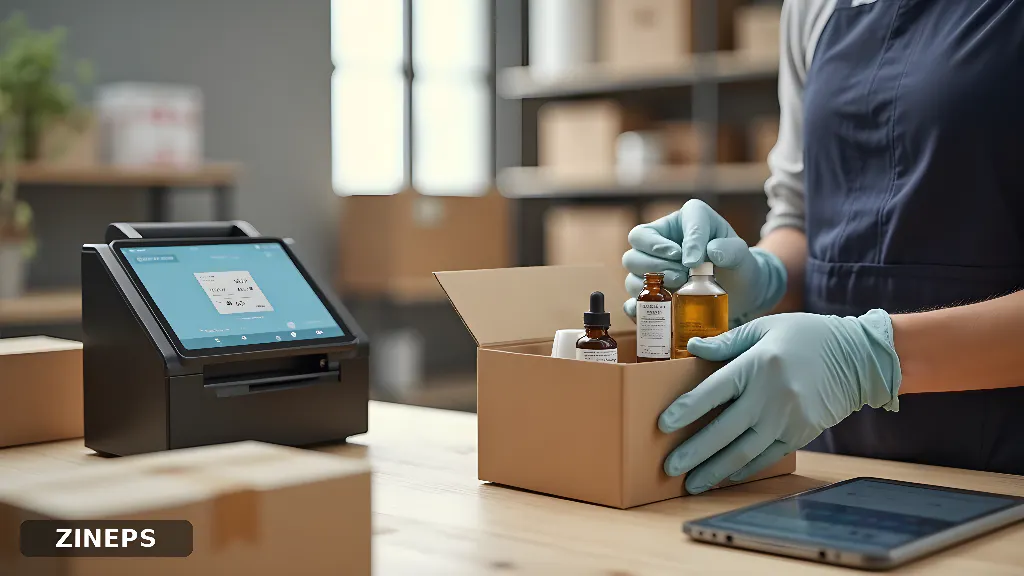
Zelfzorg- en Wellnessproducten Verzenden: De Compliance- en Fulfilmentgids voor 2026
De meeste verzendgidsen gaan ervan uit dat elk product zich hetzelfde gedraagt zodra het bij de labelprinter belandt. Die aanname houdt geen stand zodra een merk zelfzorgmedicijnen, supplementen, persoonlijke verzorgingsapparatuur of wellnessproducten gaat verkopen. Een flesje paracetamol, een doosje zwangerschapstesten, een balsem met CBD en een elektrische tandenborstel zien er identiek uit op een pakbon, maar zijn dat allerminst in de ogen van een vervoerder, een douanebeambte of een nationale geneesmiddelenautoriteit. Verkopers die deze producten behandelen als elk ander SKU komen daar meestal op de harde manier achter, meestal net op het moment dat een pakket vaststeekt bij een sorteercentrum of wordt teruggestuurd bij een grens.
Dit is een van de meer onderbelichte hoeken van e-commerce logistiek, en het verdient meer aandacht dan het krijgt. Hieronder volgt een praktische uitleg van waarom deze producten anders zijn, waar verkopers de fout ingaan, en hoe je een verzendoperatie bouwt die compliance behandelt als een systeem in plaats van een checklist die iemand eens per kwartaal onthoudt uit te voeren.
Waarom Gezondheids- en Wellnessproducten Niet Passen in het Standaard Verzendmodel
Standaard verzendadvies optimaliseert voor kosten per pakket, bezorgsnelheid en conversie in de checkout. Die factoren blijven relevant voor gezondheids- en wellnessmerken, maar staan achter een hardere randvoorwaarde: of een bepaalde vervoerder een bepaald product überhaupt naar een bepaald land mag vervoeren. Een supplement dat binnenlands zonder problemen wordt verzonden, kan bij het overschrijden van een grens ineens een douaneaangifte, een formulier voor beperkte goederen, of ronduit weigering vereisen. Een zelfzorgmedicijn dat vrij verkrijgbaar is bij een Nederlandse drogist kan in Duitsland receptplichtig zijn of in een land buiten de EU volledig verboden zijn.
Vervoerders merken dit meestal niet op bij de afgifte. Ze merken het onderweg, bij een douanecontrole, of bij de grenscontrole van het bestemmingsland, wat de duurste en traagste plek is waar een probleem aan het licht kan komen. Tegen de tijd dat de verzender erachter komt, heeft het pakket al afhandelingskosten opgebouwd, vraagt de klant om terugbetaling, en heeft het merk een supportticket in plaats van een vijfsterrenrecensie.
Het Classificatieprobleem: Wat Telt Als Zelfzorgproduct
Zelfzorg, UAD en Receptplichtig Zijn Niet Hetzelfde
In Nederland vallen geneesmiddelen onder verschillende afleverstatussen, en slechts één daarvan, zelfzorg, mag zonder tussenkomst van een apotheker via een gewoon e-commercekanaal worden verkocht en verzonden. Producten met UAD-status (Uitsluitend Apotheek en Drogist) of AV-status (Algemene Verkoop) kennen hun eigen voorwaarden, en receptplichtige producten horen sowieso niet via een consumentenpakketnetwerk verzonden te worden door een webshop. Het College ter Beoordeling van Geneesmiddelen publiceert de officiële classificatieregels voor zelfzorggeneesmiddelen, en het is de moeite waard om die pagina te bookmarken zodra je assortiment iets medicinaals bevat, want de classificatie van een specifiek product kan veranderen zonder veel ophef.
Het praktische risico zit niet in het bewust verzenden van iets illegaals. Het zit in het feit dat productcatalogi sneller groeien dan de compliancecontrole. Een wellnessmerk voegt een nieuwe supplementenlijn, een slaapmiddel of een lokale behandeling toe, en niemand controleert opnieuw of het nieuwe SKU een andere verzendbehandeling nodig heeft dan de rest van de catalogus.
Grensoverschrijdende Regels Sluiten Zelden Aan Op Binnenlandse Regels
Een product dat binnen Nederland volledig ongereguleerd is, kan bij verzending naar Frankrijk, het Verenigd Koninkrijk of een markt buiten de EU ineens importdocumentatie, hoeveelheidslimieten of een erkende importeur vereisen. Supplementen met bepaalde kruideningrediënten, vitamineformuleringen boven specifieke doseringen, en zelfs sommige actieve stoffen in huidverzorging worden per land anders behandeld. Vervoerders hanteren daar bovenop hun eigen lijsten met beperkte goederen, waardoor een zending technisch legaal kan zijn en toch geweigerd wordt omdat een specifieke vervoerder die productcategorie helemaal niet aanraakt.
Precies hier begint een verzendopzet rond één "standaardvervoerder" te breken. Een merk dat alleen met DHL of alleen met PostNL verzendt, erft het beleid voor beperkte goederen van die ene vervoerder voor de hele catalogus, zelfs wanneer een andere vervoerder hetzelfde pakket probleemloos zou afleveren.
Waar E-Commercemerken Het Echt Fout Doen
In de praktijk zijn de fouten die we het vaakst zien niet exotisch. Het zijn procesgaten die stilletjes oplopen tot een zending wordt tegengehouden:
- Elk nieuw product standaard als verzendbaar behandelen in plaats van een compliancevlag te vereisen voordat het live gaat in de catalogus.
- Eén vervoerderscontract gebruiken voor elke bestemming, waardoor een beperking die alleen voor die ene vervoerder geldt, bestellingen blokkeert die een andere vervoerder wel probleemloos zou afleveren.
- Ontbrekende of onvolledige douaneomschrijvingen op grensoverschrijdende labels, een van de meest voorkomende redenen waarom een legitieme wellnesszending wordt vastgehouden in plaats van bezorgd.
- Geen audittrail die een specifiek SKU koppelt aan de wettelijke grondslag om het te verzenden, wat een echt probleem wordt zodra een douane-instantie een vraag stelt.
- Regels alleen handmatig controleren wanneer er iets misgaat, in plaats van de controle in het fulfilmentproces zelf in te bouwen.
De Verborgen Kosten Van Eén Geweigerde Zending
De directe kosten van een geweigerd of geretourneerd grensoverschrijdend pakket zijn makkelijk te zien: de verzendkosten heen, de retourzending, en vaak een vervangende zending zodra het probleem is opgelost. De indirecte kosten zijn groter en lastiger te meten. Een klant die een zelfzorg- of wellnessproduct bestelde, koopt dat vaak voor een acute behoefte, waardoor een vertraagde of mislukte levering harder aankomt dan bij een impulsaankoop. Dat vertaalt zich in extra support, terugbetalingsverzoeken en een veel kleinere kans dat de klant opnieuw bestelt.
In ons werk met e-commerceteams die gereguleerde of semi-gereguleerde producten verkopen, zien we steeds hetzelfde patroon: de merken die verzendcompliance behandelen als een eenmalige opzet zijn degenen die om de paar maanden hetzelfde probleem blussen, meestal vlak na een uitbreiding van de catalogus. De merken die het als een doorlopende operationele regel behandelen, hebben dit probleem vrijwel nooit, omdat de regel de uitzondering afvangt voordat er ooit een label wordt geprint.
Een Verzendregelset Bouwen Die Standhoudt
Productniveau-Tagging, Geen Categorie-Giswerk
Elk SKU dat raakt aan gezondheid, wellness of zelfzorg zou een compliancetag moeten dragen die bepaalt hoe het verzonden mag worden: welke vervoerders in aanmerking komen, welke bestemmingen toegestaan zijn en welke documentatie vereist is. Deze tagging moet op productniveau leven, niet op categorieniveau, want twee producten in dezelfde winkelcategorie kunnen een compleet verschillende wettelijke behandeling hebben.
Bestemmingsbewuste Vervoerdersroutering
In plaats van één vervoerder te kiezen en te hopen dat diens lijst met beperkte goederen aansluit op je catalogus, zouden verzendregels elke bestelling moeten routeren naar een vervoerder die daadwerkelijk is toegestaan om die specifieke bestemming te bedienen. Dit is een probleem voor een regelengine, geen handmatige taak. Een mens die elke bestelling handmatig toetst aan het beleid van elke vervoerder schaalt niet voorbij een handvol bestellingen per dag.
Automatische Documentatie Voor Grensoverschrijdende Bestellingen
Douaneaangiften, HS-codes en productomschrijvingen zouden gegenereerd moeten worden vanuit de productdata zelf, niet ingetypt door wie er die dag toevallig aan het inpakken is. De grootste reductie in douaneophoudingen die wij zien, komt voort uit het volledig verwijderen van handmatige data-invoer uit de labelaanmaak.
Dit Is Precies Het Probleem Waar Een Logistics OS Voor Bedoeld Is
Dit is een goed voorbeeld van waarom we Zineps hebben gebouwd als een operating system voor zendingen in plaats van een tool voor één vervoerder. Een complianceregel is alleen nuttig als hij op elke bestelling kan reageren voordat een label wordt aangemaakt, over alle vervoerders die een merk gebruikt, zonder dat iemand eraan moet denken om het handmatig te controleren. Binnen Zineps kunnen verzendregels gekoppeld worden aan producten, categorieën of bestemmingen, zodat een supplement met een landspecifieke beperking automatisch wordt gerouteerd naar een vervoerder en dienst die het legaal mag afleveren, of wordt vastgehouden voor controle voordat het ooit bij een picker terechtkomt. Vervoerdersorkestratie betekent dat een merk niet vastzit aan de lijst met beperkte goederen van één vervoerder voor de hele catalogus, en geautomatiseerde douanedocumentatie verwijdert de meest voorkomende oorzaak van grensoverschrijdende ophoudingen. Voor gezondheids-, wellness- en zelfzorgmerken specifiek is die combinatie geen leuke extra. Het is wat een snelgroeiende catalogus behoedt voor een complianceprobleem.
Als je gereguleerde of semi-gereguleerde producten verkoopt en nog steeds vertrouwt op iemands geheugen om de uitzonderingen op te vangen, is dat een procesgat dat het waard is om te dichten voordat je catalogus voorbij het punt groeit waarop geheugen nog werkt.
Een Praktische Checklist Voor Gezondheids- en Wellness E-Commercemerken
- Classificeer elk SKU op afleverstatus (zelfzorg, UAD, receptplichtig) voordat het live gaat, en controleer de classificatie opnieuw zodra formuleringen of claims veranderen.
- Onderhoud een matrix met beperkte goederen per vervoerder in plaats van aan te nemen dat het beleid van je standaardvervoerder overal geldt.
- Routeer grensoverschrijdende bestellingen op basis van bestemmingsspecifieke regels, niet één blanket verzendmethode.
- Automatiseer douaneomschrijvingen en HS-codes vanuit productdata in plaats van handmatige invoer.
- Houd een audittrail bij die elk SKU koppelt aan de wettelijke grondslag voor hoe het verzonden wordt, zodat je een vraag van douane of vervoerder binnen minuten kunt beantwoorden, niet dagen.
- Herzie de regelset elke keer dat je naar een nieuw land uitbreidt of een nieuwe productlijn toevoegt, niet alleen wanneer er iets misgaat.
Verzendcompliance voor gereguleerde producten is geen eenmalig project. Het is een operationele discipline, en de merken die het automatiseren zijn degenen die hun catalogus blijven laten groeien zonder hun supporttickets mee te laten groeien.
Wil je zien hoe geautomatiseerde verzendregels gereguleerde en semi-gereguleerde producten afhandelen zonder handmatige controle op elke bestelling? Neem contact op met Zineps om een compliant vervoerders- en routeringsopzet voor jouw catalogus te bouwen.