
Pakket verzenden: kosten, opties en slimme tips voor webshops
Pakket verzenden: kosten, opties en slimme tips voor webshops
Een pakket verzenden klinkt eenvoudig, maar zodra je als webshop meer orders verwerkt, wordt het al snel een stuk complexer. Welke vervoerder kies je? Wat zijn de echte kosten? Wanneer is een standaardzending genoeg, en wanneer heb je juist baat bij meer flexibiliteit?
Voor veel webshops zit het probleem niet in het verzenden zelf, maar in alles eromheen. Handmatig labels aanmaken, per order opnieuw een vervoerder kiezen, retouren apart regelen en weinig zicht hebben op prestaties. Dat kost tijd, verhoogt de kans op fouten en maakt verzenden duurder dan nodig.
De goede aanpak begint daarom niet alleen bij een vervoerder, maar bij een slim verzendproces.
Quick answer
Wil je als webshop slimmer een pakket verzenden? Kijk dan niet alleen naar de laagste prijs per label, maar naar je volledige verzendflow. De meeste winst zit in automatisering, multi-carrier verzending, goede integraties en een duidelijke retour- en trackingervaring.
Waarom pakket verzenden voor webshops vaak onnodig duur of omslachtig is
Veel webshops starten simpel. Je kiest één vervoerder, maakt labels aan en verstuurt orders zodra ze binnenkomen. In het begin werkt dat prima. Maar naarmate je groeit, lopen de beperkingen snel op.
Eén vervoerder is zelden altijd de beste keuze
Wat goedkoop is voor een klein pakket binnen Nederland, is niet automatisch de slimste optie voor een zending naar België of Duitsland. Ook levertijden, afleveropties en retourmogelijkheden verschillen per vervoerder.
Als je alles via één partij verstuurt, betaal je vaak te veel of kies je niet de beste service voor dat type order.
Handmatig werken kost meer dan je denkt
Veel tijd gaat verloren aan kleine taken: adresgegevens controleren, labels genereren, orders opzoeken, retourlabels toevoegen en tracking delen met klanten. Los lijken dat kleine handelingen, maar op schaal worden ze duur.
Retouren en tracking worden vaak onderschat
Een pakket verzenden stopt niet bij het label. Klanten verwachten duidelijke tracking, snelle updates en een eenvoudig retourproces. Als die onderdelen niet goed staan, neemt de druk op support toe en daalt de klanttevredenheid.
Welke opties heb je als je een pakket wilt verzenden?
Er zijn grofweg drie manieren waarop webshops hun verzending regelen.
Rechtstreeks via één vervoerder
Dit is de meest directe optie. Je sluit een contract af met bijvoorbeeld PostNL, DHL, DPD of UPS en regelt verzending via dat kanaal.
Dit werkt goed als je volume beperkt is en je vooral binnen één markt verzendt. Het nadeel is dat je minder flexibel bent zodra je meer landen, meerdere verzendmethoden of complexere workflows krijgt.
Via een verzendplatform
Een verzendplatform maakt het mogelijk om meerdere vervoerders, labels, tracking en retouren vanuit één omgeving te beheren. Dat is vooral interessant voor webshops die willen groeien zonder extra handmatig werk toe te voegen.
Via een multi-carrier setup met automatisering
Dit is vaak de slimste optie voor webshops die structureel willen optimaliseren. Daarbij kies je niet handmatig per order een verzendmethode, maar laat je het systeem automatisch bepalen welke vervoerder of verzendoptie het best past op basis van prijs, bestemming, gewicht of snelheid.
Juist daar zit voor veel groeiende shops de echte efficiëntiewinst.
Waar moet je op letten bij pakket verzenden als webshop?
Niet elke webshop heeft dezelfde behoeften. Een fashion webshop met veel retouren kijkt anders naar verzending dan een B2B-leverancier of een merk dat internationaal verkoopt.
Verzendkosten per land en type order
Binnen Nederland kun je vaak nog eenvoudig vergelijken. Maar zodra je verzendt naar België, Duitsland of andere EU-landen, verandert het speelveld. Tarieven, levertijden en servicelevels lopen dan sneller uiteen.
Integraties met je webshop of WMS
Als je webshop gekoppeld is met je verzendsoftware, kun je orders automatisch importeren, labels genereren en orderstatussen synchroniseren. Dat scheelt niet alleen tijd, maar voorkomt ook fouten.
Zineps ondersteunt koppelingen met bekende platformen zoals Shopify, WooCommerce, Magento, Bol.com, Amazon en andere e-commerce- en logistieke systemen.
Automatisering van terugkerende keuzes
Als je iedere dag opnieuw dezelfde beslissingen maakt, is dat meestal een teken dat het proces geautomatiseerd kan worden. Denk aan regels zoals:
- gebruik vervoerder A voor kleine pakketten binnen Nederland
- gebruik vervoerder B voor internationale zendingen
- kies express verzending bij hogere orderwaarde
- voeg automatisch retouropties toe voor bepaalde productcategorieën
Klantervaring na de checkout
Verzenden is niet alleen operationeel. Het raakt direct de klantervaring. Denk aan branded tracking, een duidelijke retourpagina en realtime statusupdates. Dat maakt je proces professioneler en vermindert vragen aan support.
Wat is de slimste manier om goedkoop een pakket te verzenden?
Goedkoop pakket verzenden betekent niet automatisch dat je steeds de laagste labelprijs kiest. De goedkoopste optie op papier kan duurder uitpakken als leveringen vertragen, support toeneemt of retouren onhandig verlopen.
De slimste aanpak kijkt daarom naar het totaalplaatje.
Combineer prijs met snelheid en betrouwbaarheid
Een iets duurdere vervoerder kan op termijn voordeliger zijn als leveringen consistenter zijn en klanten minder vragen stellen. Andersom geldt hetzelfde: voor sommige orders is een goedkopere optie prima zolang die past bij de verwachting van de klant.
Gebruik meerdere vervoerders
Met een multi-carrier model hoef je niet alles via één partij te doen. Je kiest per type zending wat het best past. Dat geeft je meer controle over kosten en service.
Automatiseer je labelproces
Zodra orders automatisch in je verzendomgeving binnenkomen en labels direct worden aangemaakt, win je tijd en voorkom je fouten. Zeker voor shops met stijgend volume is dit een van de snelste manieren om kosten te verlagen zonder in te leveren op kwaliteit.
Hoe Zineps helpt bij pakket verzenden
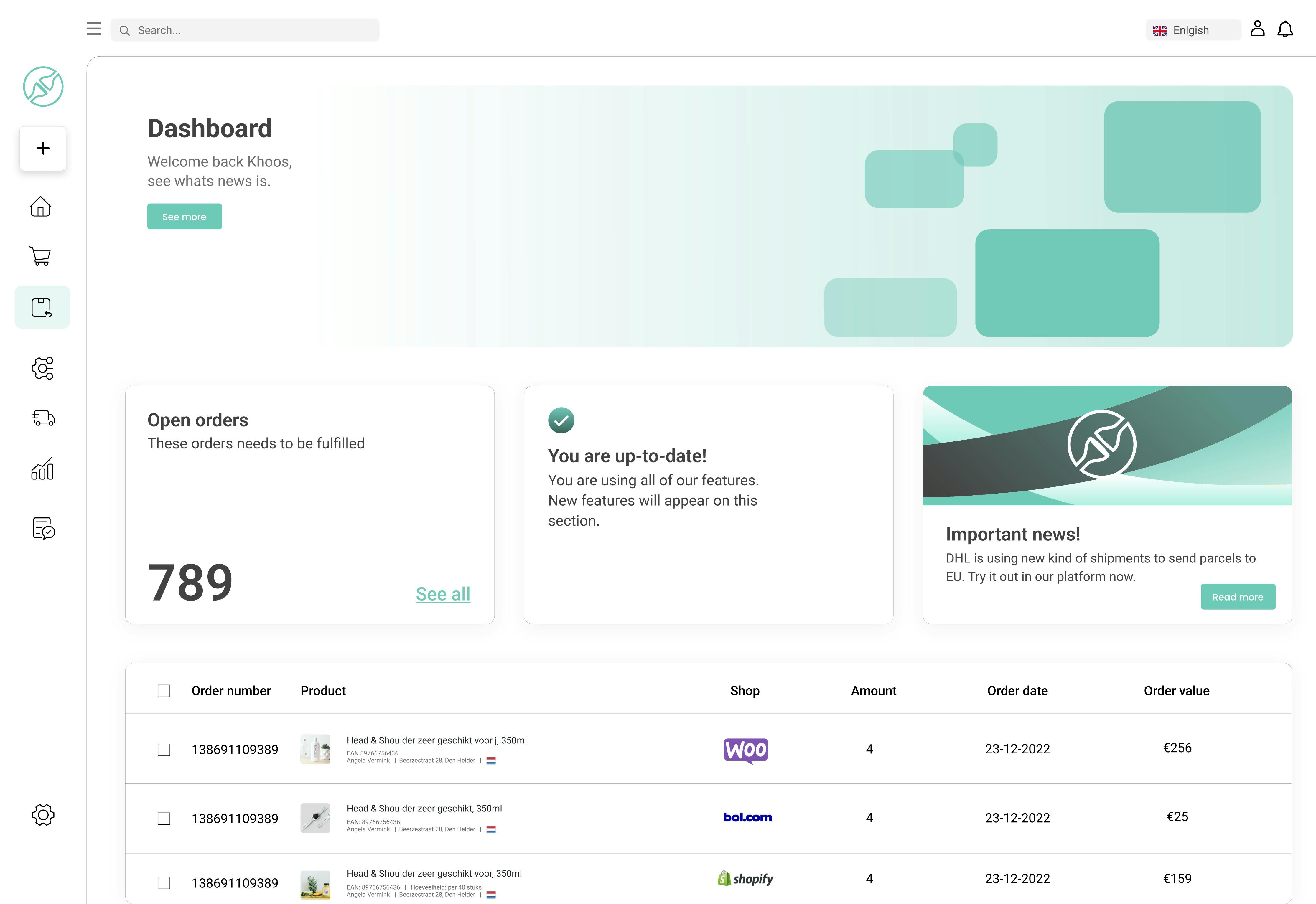
Voor webshops die sneller, slimmer en schaalbaarder willen verzenden, is Zineps gebouwd als één centrale verzendinfrastructuur. Het platform brengt meerdere onderdelen samen die normaal verspreid zitten over losse tools.
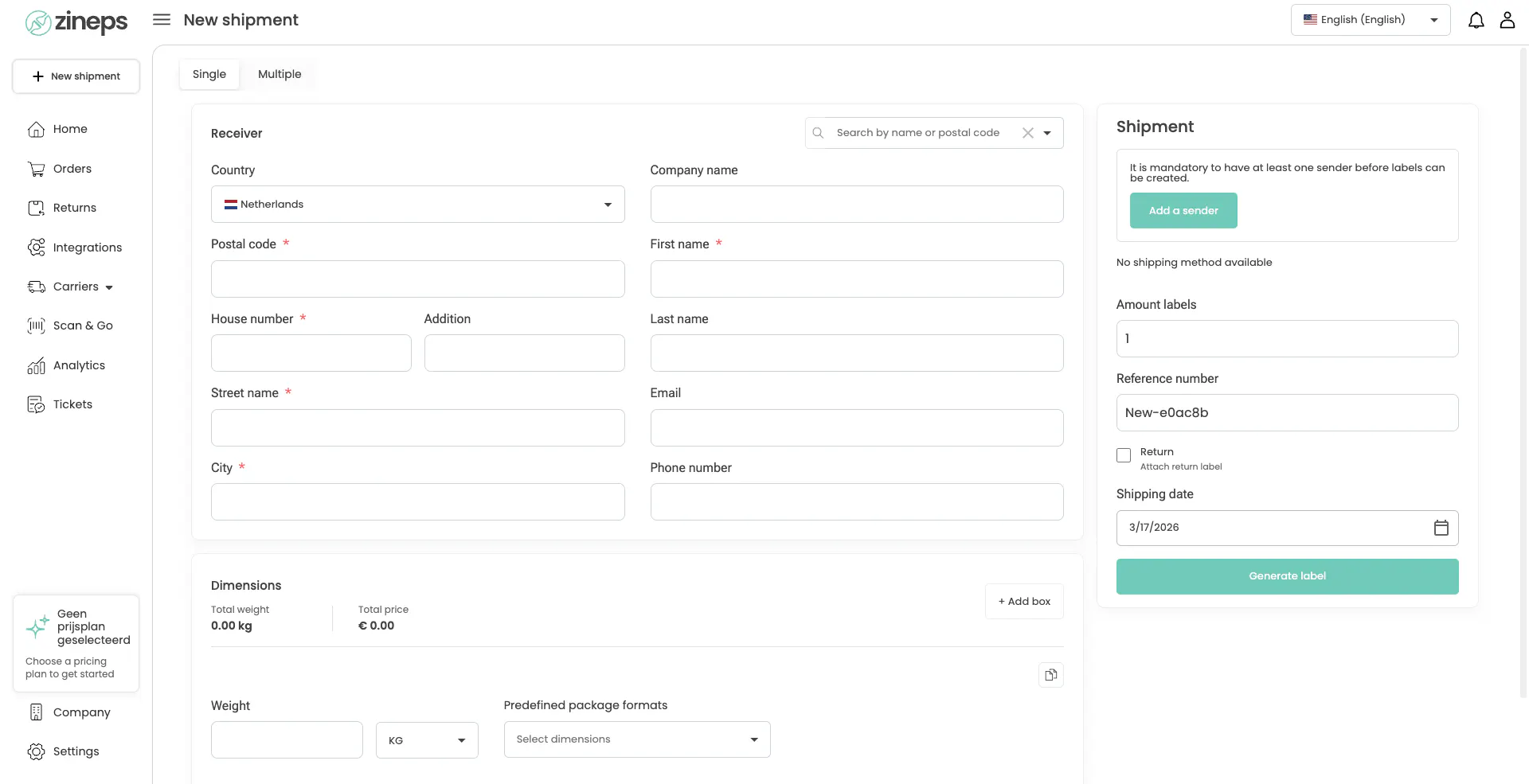
Met Zineps kun je onder andere:
- orders vanuit je webshop of marketplace centraal beheren
- labels genereren vanuit één omgeving
- meerdere vervoerders koppelen
- eigen contracten of een partnernetwerk gebruiken
- automation rules instellen voor vervoerderkeuze
- tracking en retouren beheren
- inzichten krijgen via analytics
- fulfilment versnellen met Scan & Go
Dat maakt het vooral interessant voor webshops die groeien en minder afhankelijk willen zijn van handmatig werk.
Voor welke webshops is dit vooral interessant?
Niet iedere webshop heeft meteen een uitgebreid verzendplatform nodig. Maar in de praktijk zie je dat de behoefte snel toeneemt zodra verzenden een dagelijks proces wordt met volume, retouren en meerdere verzendopties.
Shopify en WooCommerce webshops
Voor shops die veel orders verwerken via Shopify of WooCommerce is automatisering vaak de eerste grote stap. Minder handmatig werk betekent sneller fulfilment en minder fouten.
Shops die binnen Europa verzenden
Zodra je buiten Nederland verkoopt, wordt flexibiliteit belangrijker. Verschillende landen vragen vaak om verschillende vervoerders, levertijden en retouraanpakken.
Webshops met groeiende retourstromen
Retouren goed regelen is geen detail. Het heeft directe impact op support, klanttevredenheid en operationele druk. Een centraal retourproces maakt een groot verschil.
Bedrijven die meerdere carriers willen gebruiken
Als je niet vast wilt zitten aan één vervoerder, maar per order slimmer wilt kiezen, dan is een multi-carrier setup bijna altijd logischer.
Veelgemaakte fouten bij pakket verzenden
Zelfs goedlopende webshops laten vaak kansen liggen in hun verzendproces.
Alleen op labelprijs sturen
De laagste prijs per zending zegt weinig als je verderop meer kosten maakt door vertraging, fouten of extra support.
Geen duidelijke regels instellen
Zonder automatisering worden dezelfde keuzes steeds opnieuw handmatig gemaakt. Dat kost tijd en leidt tot inconsistente beslissingen.
Retouren los behandelen van verzending
Retouren zijn geen apart project. Ze horen bij je totale verzendervaring. Als het retourproces niet goed aansluit, merk je dat direct in klantcontact en interne werkdruk.
Te laat investeren in schaalbaarheid
Veel shops wachten tot verzenden een probleem wordt. Juist dan loop je achter de feiten aan. Een goed ingericht proces helpt je sneller doorgroeien zonder operationele chaos.
Pakket verzenden in Nederland versus internationaal
Binnen Nederland is pakket verzenden relatief overzichtelijk. Levertijden zijn kort, vervoerders zijn bekend en klanten weten meestal wat ze kunnen verwachten.
Internationaal ligt dat anders.
Meer variatie in kosten en levertijden
Bij cross-border verzending nemen verschillen tussen vervoerders sneller toe. Wat binnen Nederland logisch is, is internationaal niet automatisch de beste keuze.
Meer noodzaak voor centrale controle
Bij meerdere landen, meerdere carriers en verschillende ordertypes heb je meer aan één centrale plek waar labels, tracking, retouren en analytics samenkomen.
Klantcommunicatie wordt belangrijker
Hoe internationaler je verkoopt, hoe belangrijker een consistente trackingervaring en duidelijke statusupdates worden. Dat voorkomt onzekerheid en scheelt supportvragen.
FAQ
Wat betekent pakket verzenden voor een webshop precies?
Voor een webshop betekent pakket verzenden meer dan alleen een label aanmaken. Het omvat ook vervoerderkeuze, tracking, retouren, automatisering en klantcommunicatie.
Wat is de goedkoopste manier om een pakket te verzenden?
Dat hangt af van bestemming, gewicht, formaat en gewenste snelheid. In de praktijk is de goedkoopste oplossing vaak een multi-carrier aanpak waarbij je per order de beste optie kiest.
Is één vervoerder genoeg voor een webshop?
Voor kleine volumes soms wel. Maar zodra je groeit, internationaal verkoopt of meerdere verzendbehoeften hebt, is één vervoerder meestal beperkend.
Hoe bespaar je tijd bij pakket verzenden?
Door je webshop te koppelen aan een verzendplatform, labels automatisch te genereren en regels in te stellen voor vervoerderkeuze en orderverwerking.
Is Zineps geschikt voor internationale verzending?
Ja, Zineps ondersteunt meerdere carriers, internationale verzending, tracking, retouren en integraties met e-commerceplatformen, wat het geschikt maakt voor shops die binnen Europa of daarbuiten verzenden.