
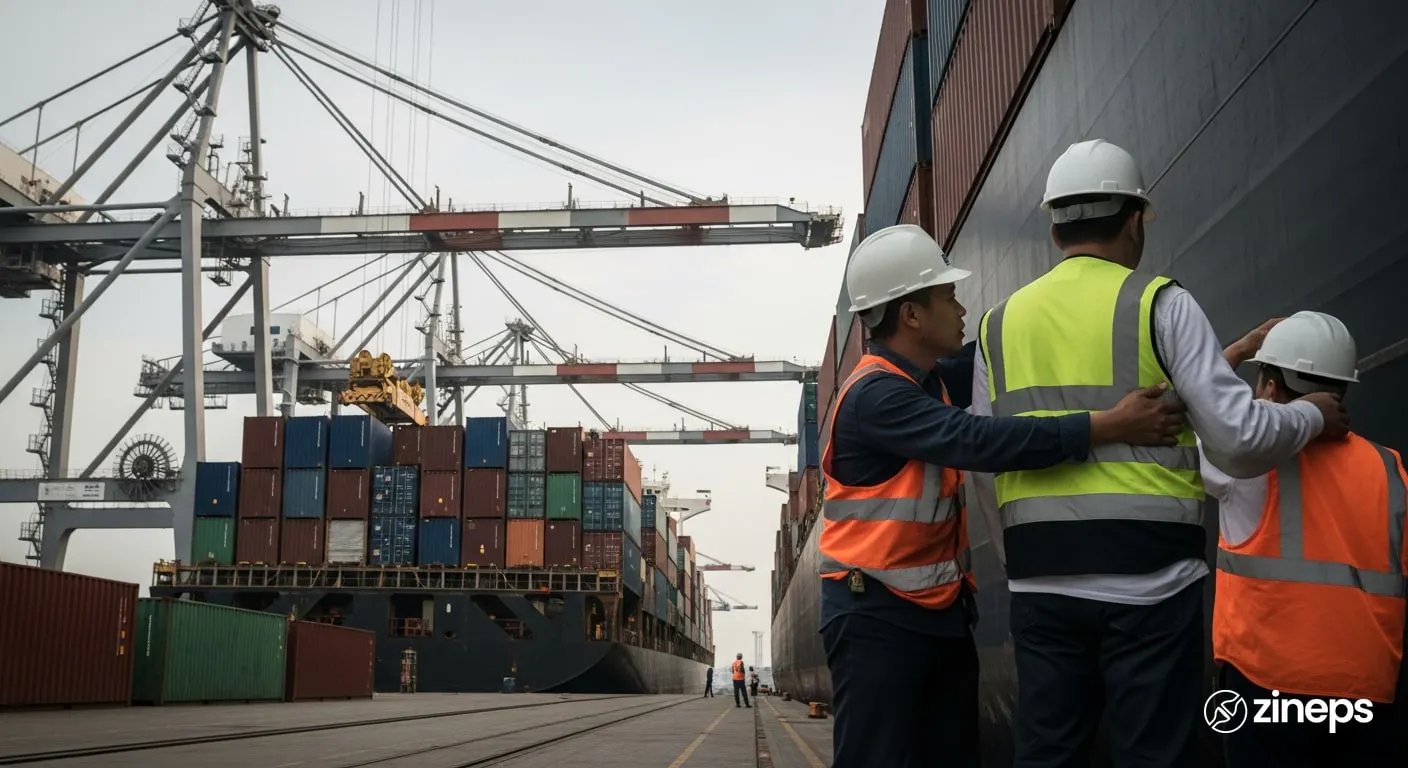
Piekseizoentoeslagen in de Zeevracht: Wat Webshops Moeten Weten
Piekseizoentoeslagen in de zeevracht zijn dit jaar in volle kracht terug, en de bedragen liggen hoger dan veel webshops hadden verwacht. In de afgelopen weken hebben zowel CMA CGM als Maersk nieuwe of herziene piekseizoentoeslagen (PSS) gepubliceerd die vaarroutes raken van Azië naar het Midden-Oosten, Afrika, het Indiase subcontinent en Noord-Amerika. Voor elk e-commercebedrijf dat goederen per zeecontainer importeert of exporteert, zijn deze aankondigingen geen achtergrondruis. Het is een directe kostenpost die binnen enkele weken op de factuur verschijnt.
De omvang is het overdenken waard. De gefaseerde toeslag van Maersk voor lading van het Indiase subcontinent en het Midden-Oosten naar de Amerikaanse en Canadese westkust loopt begin augustus op van 3.000 naar 4.000 dollar per container, en stijgt medio augustus verder naar 5.000 dollar per container, een niveau dat tot eind van het jaar aanhoudt. CMA CGM voegt daarnaast vanaf augustus een toeslag van 1.500 dollar per unit toe op lading van Noord-Europa naar het Midden-Oosten en de Rode Zee, bovenop nieuwe toeslagen op routes naar Mozambique, Liberia en Saoedi-Arabië.
Voor een verkoper die op krappe marges een container met seizoensgebonden goederen verscheept, kan zo'n sprong het verschil betekenen tussen een winstgevende zending en een verlieslatende partij. Begrijpen waarom deze toeslagen nu opduiken, en daar een plan omheen bouwen, is het verschil tussen de klap opvangen en volledig verrast worden in het vierde kwartaal.
Wat Er Precies Verandert in de Piekseizoentoeslagen
De nieuwe toeslagen van CMA CGM gelden op vier afzonderlijke vaarroutes, elk met een eigen tijdlijn. Lading van het Verre Oosten naar Beira, Mozambique, kreeg vanaf medio juli een toeslag van 250 dollar per TEU. Reefercontainers naar Monrovia, Liberia, vallen nu onder een toeslag van 500 euro (of 600 dollar) per TEU, gebaseerd op de belaaddatum. Droge lading van Ain Sukhna in Egypte naar Jeddah, Saoedi-Arabië, krijgt een toeslag van 150 dollar per TEU, oplopend tot 300 dollar per TEU voor reefercontainers op dezelfde route. De zwaarste van de vier is de route Noord-Europa naar het Midden-Oosten en de Rode Zee, waar CMA CGM vanaf 1 augustus 1.500 dollar per unit rekent over droge lading, reefercontainers, out-of-gauge vracht en zelfs terugkerende lege containers.
De herzieningen van Maersk raken een andere, deels overlappende set routes. Lading van het Verre Oosten naar havens op het Indiase subcontinent, waaronder Jawaharlal Nehru, Mundra en Pipavav, plus Pakistan, krijgt vanaf eind juli een toeslag van 300 dollar per container vanuit de meeste Aziatische oorsprongen, met Zuid-Korea vanaf begin augustus. Zendingen van China en Hong Kong naar Dar es Salaam, Tanzania, krijgen vanaf 1 augustus te maken met 1.200 dollar toeslag op 20-voets containers en 1.800 dollar op 40- en 45-voets containers. De grootste herzieningen liggen op de route van het Indiase subcontinent en het Midden-Oosten naar de Amerikaanse westkust, en op meerdere oorsprongen naar de Amerikaanse oost- en golfkust, waar droge containertarieven naar Houston vanuit India, Bangladesh, Sri Lanka en de Malediven oplopen tot 5.800 dollar per container, met reefertoeslagen van 3.700 tot 4.000 dollar afhankelijk van de oorsprong.
Dit gebeurt niet geïsoleerd. Beide rederijen geven aan dat deze piekseizoentoeslagen bovenop bestaande lokale kosten en contingency charges komen, wat betekent dat het genoemde bedrag zelden de volledige kostprijs is die een verlader daadwerkelijk betaalt.
Waarom Rederijen Nu Toeslagen Toevoegen
Piekseizoentoeslagen bestaan omdat rederijen ze gebruiken om de kloof tussen beschikbare scheepsruimte en vraag te beheersen tijdens de drukste vaarmaanden van het jaar, doorgaans de aanloop naar het vierde kwartaal van het retailseizoen in westerse markten. Wanneer meer verladers ruimte willen dan rederijen kunnen bieden, rantsoeneert een toeslag die ruimte en compenseert het de rederij voor het draaien op bijna volledige capaciteit, vaak met minder flexibiliteit in de planning.
Het is ook de moeite waard om op te merken dat piekseizoentoeslagen anders uitpakken afhankelijk van of een verlader werkt onder een langetermijncontract of tegen spottarieven boekt. Gecontracteerde tarieven bevatten soms bepalingen die bepaalde toeslagen beperken of uitsluiten, terwijl spotboekingen doorgaans volledig blootstaan aan de gepubliceerde toeslag zodra die ingaat. Verladers die vóór deze ronde aankondigingen een contract hebben afgesloten, blijken soms beter beschermd dan ze beseffen, en het is de moeite waard de kleine lettertjes te checken in plaats van het ergste aan te nemen.
Het Bredere Capaciteitsbeeld
Deze ronde toeslagen komt bovenop een reëel capaciteitsprobleem. Het conflict in het Midden-Oosten heeft dit jaar al voor forse omleidingen gezorgd, weg van de Rode Zee en het Suezkanaal op andere vaarroutes, waardoor schepen langere routes om Kaap de Goede Hoop varen en capaciteit vastzit die elders anders beschikbaar zou zijn. Dat soort verstoring werkt door: capaciteit die van de ene route wordt weggetrokken om omleidingen elders op te vangen, laat minder ruimte over op aangrenzende routes, en rederijen reageren daarop met toeslagen om de resulterende druk te beheersen.
De routes met de steilste toeslagen, Midden-Oosten- en Rode Zee-routes, Indiaas subcontinent naar Noord-Amerika, zijn precies de routes die het meest blootstaan aan dit soort verstoring. Dat is geen toeval. Het is een redelijk betrouwbaar signaal dat verdere volatiliteit op deze routes mogelijk is voordat de situatie stabiliseert.
Ter context: piekseizoentoeslagen zijn niet nieuw, rederijen gebruiken ze al jaren om seizoensgebonden vraagpieken te beheersen. Wat dit jaar anders is, is de combinatie van een echte geopolitieke verstoring bovenop de normale seizoensdruk, in plaats van het voorspelbaardere seizoenspatroon waar verladers in rustiger jaren hun begroting op baseerden. Die combinatie is de reden waarom de huidige ronde groter en geografisch breder uitpakt dan een gebruikelijke piekseizoenaanpassing.
De Impact op het Bedrijf voor E-commerce Verkopers
Voor een direct-to-consumer merk of marktplaatsverkoper is een piekseizoentoeslag geen abstract verhaal uit de scheepvaartindustrie. Het is een directe klap voor de landed cost, de werkelijke kostprijs om een eenheid voorraad op een schap of bij een klant te krijgen. Een toeslag van 5.000 dollar per container, verdeeld over een container met duizenden eenheden, kan reële centen per stuk toevoegen aan de kostprijs, precies op het moment dat verkopers proberen marges vast te leggen voor Q4-promoties.
Timing maakt het probleem groter. Toeslagen die in juli en augustus worden aangekondigd, vallen precies in de periode waarin de meeste verkopers hun voorraadbestellingen voor het piekseizoen plaatsen. Verkopers die scheepsruimte en tarieven vroeg vastleggen, vóór de ingangsdatum van een toeslag, kunnen een ronde verhogingen soms volledig vermijden. Verkopers die tot het laatste moment wachten, betalen vaak het nieuwe tarief bovenop een toch al verhoogde basisvracht voor het piekseizoen.
Cashflow voegt nog een laag toe. Facturen voor zeevracht, inclusief toeslagen, moeten vaak worden betaald voordat de goederen die ze dekken zelfs maar door de douane zijn, laat staan verkocht aan een klant. Een plotselinge ronde toeslagen kan werkkapitaal eerder vastzetten dan gepland, wat het zwaarst weegt voor kleinere verkopers met dunnere kasreserves aan de vooravond van hun grootste verkoopkwartaal.
Er is ook een planningseffect. Wanneer zeevrachttoeslagen pieken op een bepaalde route, verschuiven sommige verladers volume naar andere routes, andere rederijen of luchtvracht, en elk van die alternatieven brengt eigen kosten- en tijdsafwegingen met zich mee. Verkopers zonder overzicht over meerdere rederijen en routes horen vaak als laatste dat er een goedkoper of sneller alternatief bestaat.
Wat Operators Zouden Moeten Doen
Een paar praktische stappen maken piekseizoentoeslagen veel beter te verwerken.
- Bereken de landed cost inclusief toeslagen vooraf, niet achteraf toegevoegd, zodat Q4-prijzen en promoties de werkelijke vrachtkosten weerspiegelen in plaats van de cijfers van vorig jaar.
- Leg capaciteit en tarieven vast vóór de aangekondigde ingangsdatum wanneer een toeslag een duidelijke startdatum heeft, want vroeg boeken kan betekenen dat je nog tegen het oude tarief verscheept.
- Volg toeslagen over meer dan één rederij en route, want een toeslag op de ene route raakt niet automatisch een alternatieve routing via een andere haven of rederij.
- Bouw een buffer in voor contingency- en lokale kosten, die doorgaans bovenop de genoemde toeslag komen en makkelijk worden onderschat.
- Herzie minimaal eens per kwartaal je keuzes voor inkoop- en fulfillmentroutes tijdens periodes van actieve verstoring, in plaats van aan te nemen dat de goedkoopste route van vorig kwartaal dat nog steeds is.
- Houd een terugvalplan achter de hand, of dat nu een alternatieve rederij, een andere havencombinatie of een gedeeltelijke overstap naar luchtvracht is, voor de SKU's waar de marge het krapst is.
Veelgestelde vragen
Wat is een piekseizoentoeslag?
Een piekseizoentoeslag is een extra vergoeding die rederijen bovenop de standaard vrachttarieven rekenen tijdens periodes van hoge vraag ten opzichte van de beschikbare scheepscapaciteit, meestal in de maanden voorafgaand aan het vierde kwartaal van het retailseizoen. Het dient om capaciteit te verdelen en de kosten te compenseren van het draaien op of nabij volledige capaciteit.
Hoe vaak veranderen piekseizoentoeslagen?
Rederijen kunnen piekseizoentoeslagen al met enkele weken kennisgeving herzien, en herzieningen komen vaak gefaseerd, met een eerste verhoging gevolgd door een grotere later in het seizoen, zoals te zien is bij de huidige ronde toeslagen van Maersk op routes van het Indiase subcontinent naar Noord-Amerika.
Kunnen e-commerce verkopers piekseizoentoeslagen volledig vermijden?
Niet volledig, maar verkopers kunnen de impact beperken door vóór de ingangsdatum te boeken, te spreiden over meerdere rederijen en routes, en toeslagen vroegtijdig mee te nemen in de kostenplanning in plaats van ze elk jaar als verrassing te behandelen.
Piekseizoentoeslagen zijn een herinnering dat de kosten van zeevracht zelden vast liggen en zelden gelijk zijn tussen rederijen of routes. De verkopers die het vierde kwartaal doorkomen met intacte marges, zijn doorgaans degenen die niet vastzitten aan één rederij of één routeoptie wanneer de omstandigheden veranderen. Dat is precies waar flexibele, multi-carrier logistieke infrastructuur zoals Zineps voor staat, een Logistics OS voor e-commerce die operators het overzicht en de routeringsopties geeft om binnen dagen te reageren op een ronde toeslagen, niet pas het kwartaal daarna.