
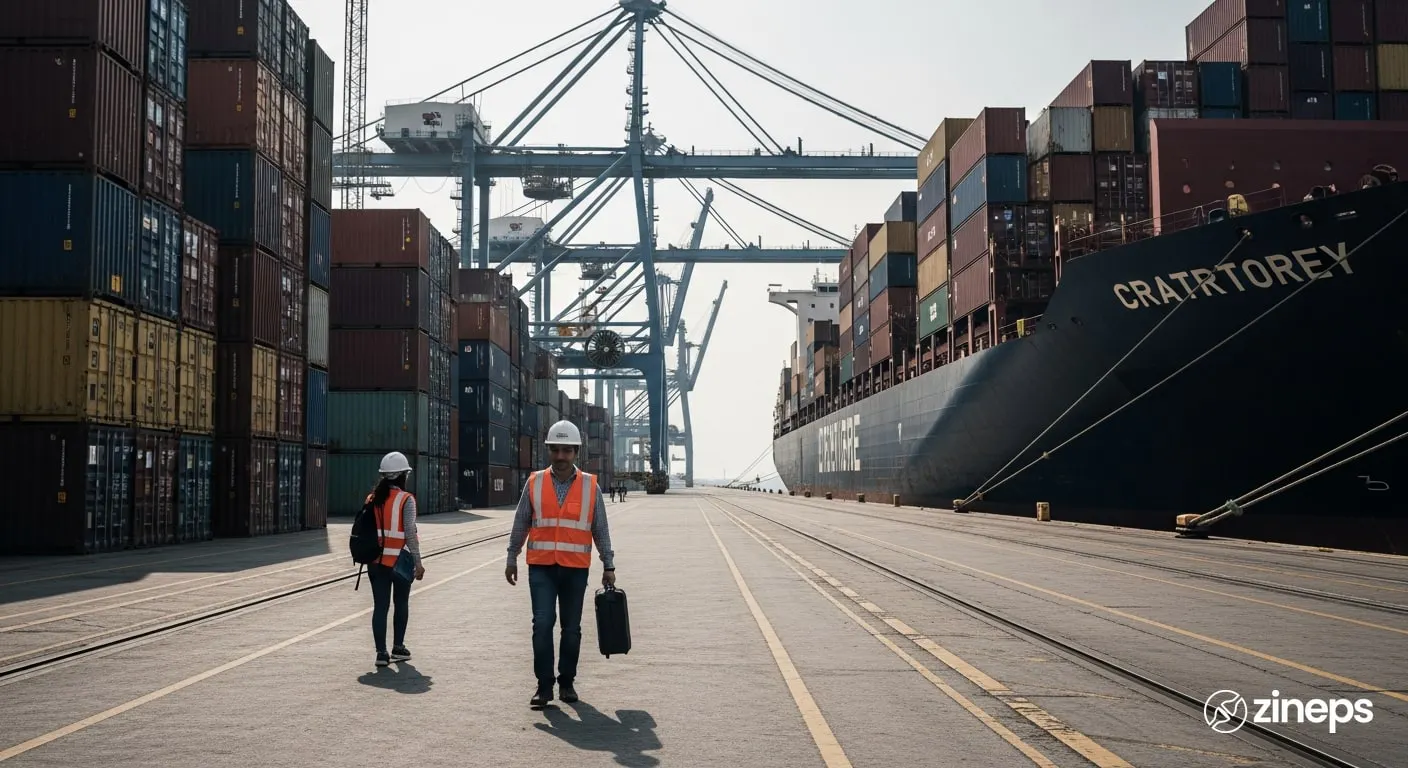
Volatiliteit in Zeevrachttarieven Is Terug, Dit Is Waarom
Volatiliteit in zeevrachttarieven staat weer in het nieuws, maar niet om de reden die verladers misschien zouden verwachten. In plaats van een capaciteitstekort of een piek in het hoogseizoen wijst recente berichtgeving op onzekerheid over invoertarieven die de importvraag bevriest, wat de tarieven omlaag trekt terwijl het onderliggende handelsbeeld onrustig blijft. Voor e-commercebedrijven die internationaal inkopen, is die combinatie waarschijnlijk moeilijker om op te plannen dan een eenvoudige tariefstijging.
Dalende tarieven lezen doorgaans als goed nieuws voor importeurs, maar wanneer de oorzaak is dat kopers terughoudend zijn met bestellingen omdat ze niet weten wat een zending zal kosten tegen de tijd dat deze door de douane is, zijn de zachtere tarieven een symptoom van aarzeling in plaats van gezonde vraag en aanbod. Dat onderscheid is enorm belangrijk voor hoe een e-commerce operator moet reageren.
Dit past bij een breder thema in de zeevracht op dit moment: de capaciteit in de markt is gestegen terwijl de vraag afkoelt, en waarnemers uit de sector omschrijven de markt als beginnend te keren na een periode van stevigere prijzen. Onzekerheid over invoertarieven is een duidelijke aanjager van die afkoelende vraag, vooral op routes die blootstaan aan veranderend handelsbeleid.
Wat er daadwerkelijk gebeurt met zeevrachttarieven
Spot-containertarieven op grote handelsroutes hebben voor het eerst in een tijd dalingen laten zien, een verschuiving die waarnemers uit de sector koppelen aan afnemende druk na een periode van stevigere prijzen. Tegelijkertijd zou onzekerheid over invoertarieven de importvraag op specifieke routes bevriezen, doordat kopers bestellingen en boekingen van zendingen uitstellen totdat het handelsbeleid duidelijker wordt.
Het resultaat is een markt die om twee verschillende redenen twee kanten op beweegt. Zwakkere vraag door aarzeling rond invoertarieven trekt de tarieven op de korte termijn omlaag, terwijl het onderliggende capaciteitsbeeld, meer scheepsruimte beschikbaar ten opzichte van vrachtvolume, betekent dat er weinig druk is om de tarieven snel weer omhoog te duwen, zelfs als de vraag herstelt.
Hoe vervoerders daadwerkelijk reageren op zwakke vraag
Wanneer de vraag verzwakt, verlagen vervoerders niet simpelweg de prijzen en wachten ze af. Doorgaans schrappen ze afvaarten, consolideren ze vracht op minder reizen, of herverdelen ze schepen naar routes met stevigere vraag, wat allemaal sneller kan gebeuren dan de meeste boekingscycli van verladers. Een importeur die boekte op basis van het zachte tarief van vorige maand, kan ontdekken dat de specifieke afvaart die hij verwachtte volledig is geschrapt.
Waarom onzekerheid over invoertarieven de vraag meer bevriest dan de tarieven zelf
Een bevestigd invoertarief, zelfs een kostbaar, is iets waar een bedrijf omheen kan plannen. Het kan worden ingebouwd in landed-costmodellen, doorberekend in de prijsstelling, of gebruikt om een inkoopwijziging te rechtvaardigen. Onzekerheid is lastiger om omheen te plannen, omdat een koper die vandaag een bestelling plaatst niet weet of het geldende tarief nog hetzelfde is tegen de tijd dat die zending weken of maanden later aankomt en door de douane gaat.
Die onzekerheid duwt veel importeurs richting een afwachtende houding: bestellingen uitstellen, ordergroottes verkleinen, of verschuiven naar inkoopregio's die als minder risicovol worden beschouwd, zelfs voordat een tariefbesluit definitief is. Het is deze aarzeling, vermenigvuldigd over veel importeurs, die in de data zichtbaar wordt als zwakkere vraag naar zeevracht.
Het mechanisme achter de impact op de resultaten van een e-commerce operator
Voor een retailer die goederen uit het buitenland inkoopt, is de zeevrachtkost slechts een regel in een landed-costberekening die ook invoerrechten, tarieven, valutabewegingen en binnenlands transport omvat. Wanneer het tariefbeleid onzeker is, wordt die hele berekening een bewegend doelwit, wat prijsstelling vooraf, promotieplanning en zelfs basale margeprognoses aanzienlijk moeilijker maakt.
Er is ook een effect op boekingsgedrag. Vervoerders reageren op zwakkere vraag door de capaciteitsinzet aan te passen, soms door afvaarten te schrappen of schepen te herverdelen naar sterkere routes. Een importeur die ervan uitgaat dat de huidige zachte tarieven en beschikbare ruimte stabiel blijven, kan overvallen worden als vervoerders capaciteit sneller van een route halen dan de vraag daadwerkelijk herstelt.
Waarom landed cost, niet het vrachttarief, het cijfer is dat telt
Het vrachttarief alleen is een misleidend getal om op te optimaliseren, aangezien het slechts de verzendingspost van een veel grotere kostenvergelijking vastlegt. Twee importeurs die hetzelfde vrachttarief betalen op dezelfde route kunnen zeer verschillende totale landed costs hebben zodra invoerrechten, tarieven en valuta-effecten worden meegerekend, en daarom moeten beslissingen op landed-costniveau worden gemodelleerd in plaats van tarief-voor-tarief te vergelijken.
Wat dit betekent voor grensoverschrijdende e-commerce inkoopbeslissingen
Bedrijven die producten grensoverschrijdend inkopen, vooral uit regio's die momenteel blootstaan aan discussies over handelsbeleid, worden het meest direct geraakt. Een lager vrachttarief vandaag compenseert geen tariefverhoging die landt nadat de zending al onderweg is, en gokken op blijvend lage tarieven kan averechts werken als de capaciteit krapper wordt zodra de aarzeling in de vraag wegtrekt.
De veerkrachtigere aanpak is om vrachtkosten en blootstelling aan invoertarieven als een planningsvraagstuk te behandelen in plaats van twee aparte posten, door scenario's te modelleren voor verschillende tariefuitkomsten en flexibiliteit in te bouwen in leverancier- en routekeuzes in plaats van vast te zitten aan een route op basis van de huidige prijsstelling.
Wat dit betekent voor Europese en Benelux importeurs
Europese importeurs die goederen binnenbrengen via grote gateway-havens zoals Rotterdam en Antwerpen worden op een specifieke manier blootgesteld aan deze dynamiek: veel van de onzekerheid over handelsbeleid die momenteel de vraag beinvloedt, ontstaat buiten Europa, maar de effecten ervan op capaciteit en tarieven zijn voelbaar in Europese gateway-havens, ongeacht waar het tariefgeschil zich daadwerkelijk afspeelt.
Voor een Benelux e-commercebedrijf dat via Rotterdam of Antwerpen uit Azie inkoopt, betekent dit dat vrachtplanning niet als een puur regionale exercitie kan worden behandeld. Een tariefbesluit aan de andere kant van de wereld kan de capaciteit op precies de route waarvan een Benelux importeur afhankelijk is verkrappen of verruimen, vaak met heel weinig tijd om te reageren.
Wat een scenarioplanningsoefening daadwerkelijk inhoudt
Een eenvoudige versie begint met drie scenario's: tarieven blijven zoals momenteel voorgesteld, tarieven stijgen verder, of tarieven worden teruggedraaid of uitgesteld. Voor elk scenario modelleert een operator de landed cost per eenheid, de verwachte marge, en of huidige leverancier- en vervoerdersafspraken nog steeds logisch zijn, en identificeert vervolgens de een of twee beslissingen, een inkoopwijziging, een heronderhandeling met een vervoerder, die als eerste zouden moeten gebeuren als het worstcasescenario zich voordoet.
Wat e-commerce- en logistieke teams nu moeten doen
Een aantal praktische stappen helpt operators om voor te blijven op dit soort tarief- en beleidsvolatiliteit in plaats van er achteraf op te reageren.
- Modelleer landed costs onder meer dan een tariefscenario, in plaats van aan te nemen dat de huidige regels standhouden gedurende de volledige cyclus van bestelling tot levering.
- Vermijd overmatige toewijding aan een zeeroute of vervoerder op basis van tijdelijk zachte spottarieven, aangezien capaciteit snel kan verschuiven zodra de vraag stabiliseert.
- Diversifieer inkoopregio's waar mogelijk, om de blootstelling aan tariefwijzigingen van een enkel land te verminderen.
- Behoud boekingsflexibiliteit in plaats van ver van tevoren grote volumes vast te leggen op routes met onopgeloste tariefblootstelling.
- Volg zowel vrachttariefindexen als nieuws over handelsbeleid samen, aangezien elk afzonderlijk een onvolledig beeld geeft van de werkelijke landed cost.
Veelgestelde vragen
Zijn dalende zeevrachttarieven goed nieuws voor e-commerce importeurs?
Slechts gedeeltelijk. Lagere vrachtkosten helpen de verzendingspost, maar als de daling wordt veroorzaakt door aarzeling in de vraag door invoertarieven in plaats van een gezonde capaciteitsbalans, kunnen de besparingen worden tenietgedaan, of omgekeerd, door tariefkosten of doordat capaciteit terugtrekt zodra de vraag stabiliseert.
Hoe moeten e-commercebedrijven specifiek reageren op onzekerheid over invoertarieven?
De nuttigste reactie is scenarioplanning in plaats van een gok: modelleer hoe landed costs eruitzien onder een paar plausibele tariefuitkomsten, en bouw genoeg flexibiliteit in inkoop- en vervoerderskeuzes in om snel bij te sturen zodra het beleid duidelijker wordt.
Raakt dit alle handelsroutes even hard?
Nee. Het effect concentreert zich op routes en productcategorieen die het meest blootstaan aan actuele tariefdiscussies. Routes zonder die blootstelling bewegen waarschijnlijker op basis van gewone vraag-en-aanboddynamiek, en dat is waarom route-specifieke monitoring belangrijker is dan het lezen van een wereldwijde tariefindex.
Moeten e-commercebedrijven nu zeevrachtcontracten vastleggen terwijl tarieven zacht zijn?
Dat hangt af van hoeveel vertrouwen een operator heeft in vraagvoorspellingen en hoeveel flexibiliteit het contract behoudt. Een tarief vastleggen zonder flexibiliteit om volume of timing aan te passen kan averechts werken als ofwel het tariefbeleid ofwel de seizoensvraag sneller verschuift dan het contract toelaat, dus elke langetermijnverplichting moet gepaard gaan met duidelijke opzegclausules of volumeflexibiliteit.
Verandert een zwakkere of sterkere valuta dit beeld?
Valutabewegingen zijn een reele factor in landed cost naast vrachttarieven en invoertarieven, al bewegen ze onafhankelijk van beide. Een e-commerce importeur die landed-costscenario's modelleert, moet een valuta-aanname opnemen naast de tarief- en vrachttariefaannames, in plaats van kostenvolatiliteit als een enkelvoudig vraagstuk te behandelen.
Onzekerheid door invoertarieven herinnert eraan dat zeevrachttarieven nooit echt het volledige plaatje waren voor een grensoverschrijdend e-commercebedrijf, landed cost, routebetrouwbaarheid en het vermogen om van inkoop of vervoerder te wisselen wanneer het beleid verandert, zijn wat daadwerkelijk bepaalt of een inkoopstrategie standhoudt. Bedrijven die vastzitten aan een vervoerder of een route hebben de minste ruimte om zich aan te passen wanneer dat gebeurt. Zineps, als Logistics OS voor e-commerce, geeft operators het multi-carrier overzicht en de flexibiliteit om die scenario's te modelleren en zendingen te herrouteren naarmate omstandigheden veranderen, in plaats van de kosten van rigiditeit pas te ontdekken nadat een tariefbesluit is gevallen.