
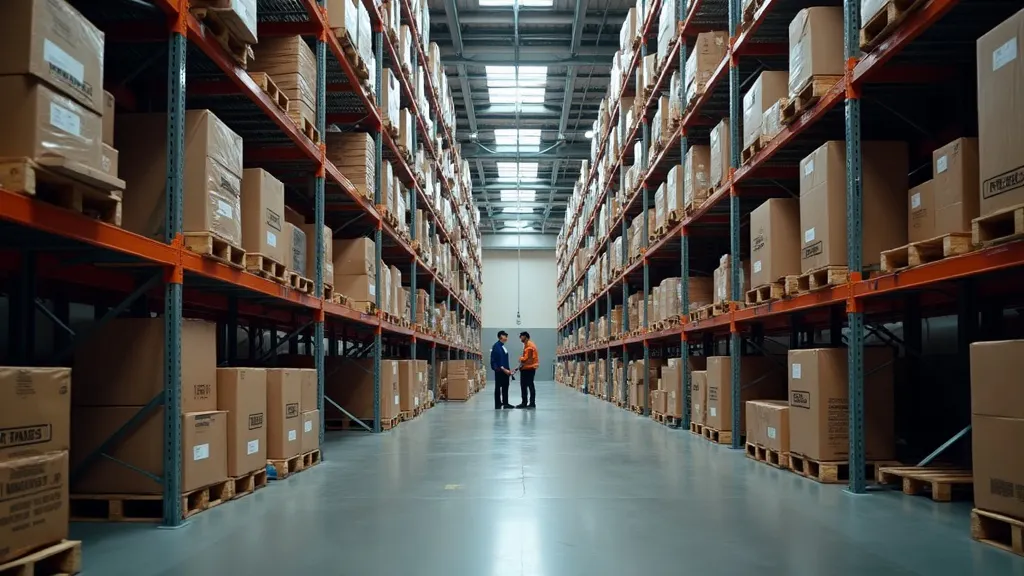
Geïntegreerde Logistiek in 2026: Hoe Europese E-Commerce Merken een Competitieve Supply Chain Bouwen
De meeste groeiverhalen in e-commerce worden verteld via marketingcijfers. Betere advertentiebudgetten, hogere conversieratio's, slimmere targeting. Toch delen de merken die in 2026 consequent hun concurrenten voorblijven een andere gemene deler. Ze hebben hun logistiek op orde gebracht, niet alleen individuele onderdelen geoptimaliseerd, maar iets gebouwd dat de meeste concurrenten nog aan het assembleren zijn: een werkelijk geïntegreerde logistieke operatie.
Dit artikel legt uit wat geïntegreerde logistiek werkelijk betekent, waarom de meeste Europese e-commerce merken nog steeds in fragmenten werken, wat de werkelijke kosten van die fragmentatie zijn, en hoe het bouwen van de verbindende laag tussen systemen je supply chain omvormt tot een echt concurrentievoordeel.
Wat Geïntegreerde Logistiek Werkelijk Betekent
De term wordt losjes gebruikt. Geïntegreerd is een van die woorden geworden die softwareleveranciers, 3PL's en consultants allemaal claimen te bieden, waardoor het in de praktijk bijna betekenisloos is geworden. Laten we precies zijn.
Geïntegreerde logistiek is een operationeel model waarbij elk onderdeel van je fulfilmentketen functioneert als één gecoördineerd systeem. Inkomende vracht, voorraadbeheer, magazijnoperaties, carrierselectie, last-mile bezorging, trackinkcommunicatie en retouren zijn geen afzonderlijke werkstromen beheerd door aparte teams met aparte tools. Ze zijn knooppunten in een verbonden systeem waarbij een beslissing in de ene laag automatisch beslissingen in elke andere laag beïnvloedt.
Het verschil tussen verbonden en gefragmenteerde logistiek is groot. In een gefragmenteerd model bevat je warehouse management systeem voorraadgegevens die je order management systeem inconsistent bevraagt. Je carriers ontvangen instructies via een lappendeken van portals en spreadsheets. Je klantenserviceteam beantwoordt vragen over zendingen door handmatig trackinglinks na te jagen. Elk team doet zijn werk. Maar niemand runt het systeem.
In een geïntegreerd model bepaalt intelligente routering, zodra een bestelling binnenkomt, het optimale fulfilmentknooppunt, de beste carrier voor die specifieke bestemming en leverbelofte, het juiste label met het juiste serviceniveau en de juiste trackingcadans. Alles stroomt. Het systeem beheert zichzelf.
De Verborgen Kosten van Gefragmenteerde Logistieke Operaties
Voordat we bespreken wat integratie oplevert, is het de moeite waard te kwantificeren wat fragmentatie je werkelijk kost. De meeste merken onderschatten dit omdat de kosten over afdelingen verspreid zijn en geen enkel team het volledige beeld bezit.
Operationele Overhead die Je Niet Ziet
Elk handmatig contactpunt in je logistieke keten heeft een prijs. Wanneer je team inlogt in meerdere afzonderlijke portals om zendingen te boeken, besteden ze tijd aan coördinatie in plaats van optimalisatie. Wanneer klantenservice 30 procent of meer van hun ticketvolume wijdt aan vragen over verzendstatus, betaal je voor informatieasymmetrie in plaats van werkelijke klantproblemen op te lossen.
Carrier Rate Leakage
Gefragmenteerd carrierbeheer betekent tarieven in isolatie onderhandelen, het volumegegevens missen om werkelijke uitgaven over je netwerk te modelleren, en kansen missen om individuele zendingen te routeren naar goedkopere carriers wanneer de bezorgervaring identiek zou zijn. De merken die de meeste waarde uit hun carrierrelaties halen, zijn degenen die routeringsbeslissingen dynamisch nemen op zendingsniveau, gebaseerd op realtime tarief- en prestatiegegevens over hun volledige portfolio.
Erosie van Customer Lifetime Value
De meest significante kosten van gefragmenteerde logistiek verschijnen niet direct in je winst-en-verliesrekening. Ze verschijnen als klanten die niet terugkomen. Onderzoek van Metapack laat consequent zien dat de overgrote meerderheid van Europese online shoppers een retailer vermijdt na een slechte bezorgervaring. Voor het gemiddelde e-commerce merk vertaalt een daling van een procentpunt in het herhalingsaankooppercentage zich naar een aanzienlijk verlies aan lifetime value per jaar.
Geïntegreerde logistiek beschermt deze relatie. Wanneer je systemen precies weten waar elk pakket is, proactief vertragingen kunnen communiceren voordat klanten ze opmerken, en vervangingen intelligent kunnen routeren wanneer er iets misgaat, transformeert je logistieke operatie van een bron van klantverloop naar een retentiemotor.
De Vijf Pijlers van Geïntegreerde Logistiek
Het bouwen van een geïntegreerde logistieke operatie is geen enkel project. Het is een architectuur gebouwd op vijf onderling verbonden pijlers. Het begrijpen van elk ervan helpt je het werk in de juiste volgorde te plannen en te voorkomen dat je op een onstabiel fundament bouwt.
Uniforme Voorraadvisibiliteit
Alles in geïntegreerde logistiek begint met voorraad. Zonder realtime visibiliteit over alle fulfilmentknooppunten kun je geen intelligente routeringsbeslissingen nemen, oververkoop tijdens piekperioden voorkomen, of de soort gedistribueerde fulfilmentstrategie uitvoeren die leveringstijden verkort zonder kosten proportioneel te verhogen.
Uniforme voorraadvisibiliteit betekent één bron van waarheid die updatet op het moment dat voorraad beweegt: tussen magazijnen, wanneer vastgelegd voor bestellingen, wanneer teruggestuurd door klanten, of wanneer in quarantaine geplaatst voor kwaliteitscontrole. Elke beslissing stroomafwaarts is afhankelijk van de nauwkeurigheid van deze laag.
Intelligente Carrier Orkestratie
Het tijdperk van één voorkeurcarrier die alle zendingen afhandelt, loopt op zijn einde, niet omdat een carrier onvoldoende is maar omdat geen enkele carrier optimaal is voor elke zending in een divers netwerk. Binnenlands versus grensoverschrijdend, zwaar versus lichtgewicht, standaard versus next-day, stedelijk versus landelijk: elke variabele verschuift de optimale carrierkeuze.
Intelligente carrier orkestratie past regels en realtime prestatiegegevens toe om de juiste carrierbeslissing te nemen voor elke individuele zending op het moment dat het label wordt aangemaakt. Het resultaat is een lagere gemiddelde kosten per bezorging zonder serviceniveaus op te offeren.
Realtime Orderroutering
Welk fulfilmentknooppunt moet een gegeven bestelling verwerken? Voor merken die meerdere magazijnen exploiteren of met meerdere fulfilmentpartners werken, is dit een beslissing met directe financiële gevolgen. Routeringslogica moet rekening houden met nabijheid tot het afleveradres, huidige voorraadniveaus, magazijncapaciteit en verwerkingsvensters, carrier cut-off tijden en de kostenimplicaties van gesplitste zendingen.
Dit handmatig doen bij elk significant volume is praktisch onmogelijk. Geïntegreerde logistiek automatiseert het, en doet dit consistent op zendingsniveau in plaats van te vertrouwen op brede toewijzingsregels die nooit helemaal aansluiten bij de werkelijke omstandigheden.
Proactieve Zendingscommunicatie
Je klanten willen hun pakketten niet tracken. Ze willen dat hun pakketten aankomen zoals verwacht. Wanneer iets afwijkt van die verwachting, willen ze het weten voordat ze hoeven te vragen. Proactieve communicatie betekent dat je logistieke laag elke zending in realtime monitort, afwijkingen detecteert zodra ze optreden, en automatisch gepersonaliseerde updates naar klanten stuurt. Dit vermogen alleen al vermindert doorgaans inkomende klantenservicecontacten gerelateerd aan verzendstatus met 30 tot 40 procent.
Naadloze Retourverwerking
Retouren zijn de stresstest van elke logistieke operatie. Hoge volumes slecht verwerkt, met trage terugbetalingen, verwarrende processen en handmatige afhandeling, creëren achterstanden bij klantenservice en tasten het merkvertrouwen aan dat marketingbudgetten maanden hebben opgebouwd. Geïntegreerde retouren betekent dat je omgekeerde logistiekstromen verbonden zijn met dezelfde voorraad-, carrier- en klantgegevens als je voorwaartse logistiek. Een retourlabel wordt direct uitgegeven. Retourvoorraad wordt beoordeeld, herbevoorraaad of doorgestuurd naar een secundair kanaal zonder handmatige tussenkomst.
Waarom Europese E-Commerce Merken Unieke Uitdagingen Kennen
Het bouwen van geïntegreerde logistiek is in Europa werkelijk moeilijker dan in de Verenigde Staten of China, om structurele redenen die het waard zijn direct te erkennen. Europa is niet één markt. Het zijn 27 afzonderlijke regelgevingsomgevingen, meerdere talen en consumentenverwachtingen rond bezorging, een lappendeken van nationale postoperatoren en regionale carriers, en douanecomplexiteit die significant toeneemt zodra zendingen bepaalde grenzen overschrijden.
Het regelgevende landschap blijft zich ontwikkelen. De EU-douanehervorming die in juli 2026 van kracht wordt, is één opvallend voorbeeld van hoe de operationele regels die grensoverschrijdende e-commerce in Europa regeren regelmatig veranderen. Dit vereist logistieke operaties die zowel geïntegreerd als aanpasbaar zijn in plaats van statisch geconfigureerd.
De merken die schaalbare Europese logistiek hebben gebouwd, hebben dit gedaan door de regio te behandelen als een verzameling micromarkten die onderliggende operationele logica delen. Ze hebben infrastructuur gebouwd of geadopteerd die deze complexiteit normaliseert in plaats van als operationele last blootstelt. Voor groeiende e-commerce merken zonder de middelen om dit van nul op te bouwen, is de praktische weg het partnerschap met platforms die het normalisatieprobleem op schaal al hebben opgelost.
Van Logistieke Tools naar een Logistiek Besturingssysteem
Bij Zineps denken we over logistieke integratie vanuit een specifiek perspectief dat verschilt van de meeste platformleveranciers op de markt. De meeste logistieke software is gebouwd rondom een specifieke functie: een carrier-integratielaag, een warehouse management tool, een retoursportal. Elk lost een echt en specifiek probleem op. Maar deze tools creëren hun eigen integratie-uitdagingen, omdat het verbinden ervan voortdurende engineering-inspanning vereist en het dataplaatje over alle tools zelden zo unified is als elke leverancier claimt.
Zineps is gebouwd als een Logistiek Besturingssysteem. Het onderscheid is niet semantisch. Een besturingssysteem verbindt niet simpelweg tools; het biedt de fundamentele laag waarop alle logistieke beslissingen worden genomen. Het bevat het uniforme datamodel, voert de orkestratielogica uit, onthult de intelligentie en verbindt met je carriers, 3PL-partners en fulfilmentproviders via één integratielaag die je eenmalig configureert.
Voor e-commerce merken en logistieke operators betekent dit:
- Carrierbeheer zonder fragmentatie: Verbind je volledige carrierportfolio via één interface, met tariefgegevens, prestatiemetrieken en routeringsregels centraal beheerd en consistent toegepast op elke zending.
- Visibiliteit op fulfilmentpartners: Of je nu met één 3PL of vijf werkt, je voorraadpicture is unified en je routeringslogica consistent toegepast over alle knooppunten, zonder handmatige reconciliatie tussen systemen.
- Verzendautomatisering op schaal: Regelgebaseerde labelgeneratie, carrierselectie en trackingcommunicatie verlopen automatisch, zodat je operationele team zich richt op uitzonderingsbeheer in plaats van routineprocessen zonder strategische waarde.
- Intelligentie die in de loop der tijd toeneemt: Elke zending die via het Zineps-platform wordt verwerkt, draagt bij aan een groeiend operationeel beeld van carrierprestaties, bezorgpatronen en kostenoptimalisatiemogelijkheden over je netwerk.
De verschuiving van logistieke tools naar een Logistiek Besturingssysteem is de verschuiving van het beheren van complexiteit naar het onttrekken van concurrentievoordeel eraan.
Bouwen aan Integratie: Een Praktisch Startpunt
Voor merken die eerder in hun logistieke volwassenheid staan, kan het concept van geïntegreerde logistiek abstract aanvoelen. De realiteit is dat integratie incrementeel wordt gebouwd, en de volgorde waarin je het bouwt even belangrijk is als de bestemming.
- Begin met gegevensconsolidatie. Voordat je iets optimaliseert, moet je alles kunnen zien. Verbind je orderbeheer-, voorraad- en carriergegevens met een uniforme weergave. De logica die je erop bouwt kan in het begin eenvoudig zijn; het elimineren van datasilos is de fundamentele stap.
- Automatiseer beslissingen met hoog volume als eerste. Carrierselectie voor binnenlandse standaardpakjes is doorgaans de meest routinematige beslissing in elke e-commerce operatie. Het automatiseren ervan levert directe tijdsbesparing en creëert de basis voor geavanceerdere routeringslogica.
- Sluit de trackingcommunicatieloop. Implementeer proactieve uitgaande trackingupdates voordat je alle andere integratie-uitdagingen hebt opgelost. De impact op klantervaring en klantenservicevolume is direct en meetbaar.
- Breid uit naar multi-node fulfilment. Zodra je gegevenslaag solide is en carrier-orkestratie geautomatiseerd is, wordt het toevoegen van fulfilmentknooppunten een configuratietaak in plaats van een operationele herstructurering. De architectuur schaalt; de complexiteit niet.
Integratie als Competitieve Infrastructuur
Concurrentievoordeel in e-commerce is gestaag verschoven van de storefront naar de supply chain. Lagere toetredingsdrempels, verfijndere consumentenverwachtingen en krapper wordende unit economics hebben operationele uitmuntendheid de bepalende factor gemaakt in duurzame groei, niet alleen marketingsofisticatie.
Geïntegreerde logistiek is het fundament van die operationele uitmuntendheid. Merken die het vroeg bouwen, integreren het in hun kostenstructuur, klantervaring en het vermogen om te schalen zonder proportionele toename van operationele complexiteit. Voor Europese e-commerce operators die navigeren door een gefragmenteerd carrierlandschap, evoluerende regelgeving en stijgende consumentenverwachtingen rond bezorgsnelheid en transparantie, is de vraag in 2026 niet meer of je logistieke integratie moet nastreven. De vraag is hoe snel je er kunt komen, en welke infrastructuurpartner je helpt het te bouwen zonder je volledige operatie opnieuw op te bouwen.