
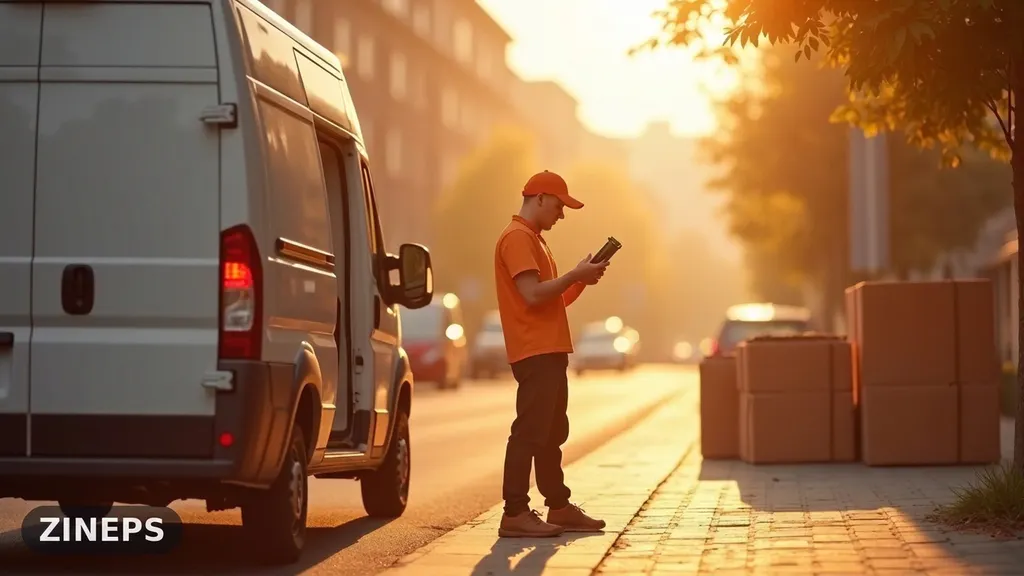
Europa's Hittegolven van 2026 Vertragen Pakketbezorging: Wat E-Commerce Verzenders Nu Moeten Doen
De zomer was vroeger het rustige seizoen voor verzendteams. De ordervolumes namen af na de voorjaarsdrukte, magazijnen konden even op adem komen, en de bezorgbelofte was de makkelijkste metriek op het dashboard om te halen. Die aanname klopte dit jaar niet meer.
Juni 2026 werd volgens EU klimaatdata, gerapporteerd door Euronews, genoteerd als een van de warmste maanden ooit gemeten in Europa en de omliggende wateren. Tegen eind juni waren de gevolgen al lang geen weerbericht meer, maar raakten ze de keten rechtstreeks. De waterstand van de Rijn zakte zo laag dat binnenvaartschepen met sterk verminderde lading moesten varen, wat brandstof en industriële zendingen onder druk zette. Koeriers en postbedrijven in heel Europa voerden hitteprotectiemaatregelen voor personeel in en pasten werktijden aan, en meerdere grote vervoerders erkenden publiekelijk dat bezorgvensters daardoor langer werden.
Voor de meeste e-commercebedrijven voelde dit niet als een dramatische storing, maar als een sluipende verslechtering. Bezorgschattingen die voorheen betrouwbaar waren, begonnen langzaam te verschuiven, een dag hier, een halve dag daar. Klantenservicetickets liepen op. Niemand riep een crisis uit, want er ging niets zichtbaar stuk. Dat is precies wat hitte lastiger maakt dan een storm of een staking: het sluit geen depot, het maakt alleen elk onderdeel van het netwerk net iets trager en net iets minder voorspelbaar, allemaal tegelijk, wekenlang.
Waarom Hitte een Verzendprobleem Is, en Niet Alleen een Weerbericht
Het is verleidelijk om hittegolven onder te brengen bij zaken waar logistieke teams toch niets aan kunnen doen. Dat instinct is begrijpelijk, maar het mist waar de daadwerkelijke schade ontstaat. Hitte maakt chauffeurs niet alleen ongemakkelijk. Het verandert de vorm van je bezorgnetwerk op drie specifieke manieren.
Bezorgvensters schuiven ongemerkt op
Wanneer vervoerders diensten inkorten of extra rustpauzes toevoegen voor de veiligheid van chauffeurs, en wanneer sorteercentra onder de normale capaciteit draaien doordat apparatuur of personeel uitvalt, is de beloofde bezorgdatum het eerste wat verschuift. De meeste ondernemers merken dit pas achteraf, via een piek in vragen als waar is mijn bestelling, omdat hun verzendsoftware nog steeds de oorspronkelijke schatting toont in plaats van de werkelijke prestatie van de vervoerder.
Temperatuurgevoelige producten lopen echt risico
Cosmetica, supplementen, chocolade, elektronica met batterijen, en alles wat farmaceutisch of wellness gerelateerd is, kan achteruitgaan of onveilig worden boven bepaalde temperaturen tijdens transport. Cold chain en farma logistieke aanbieders hebben dit al aangemerkt als een serieus risico tijdens de hittegolven van 2026, en dezelfde natuurkunde geldt, op kleinere schaal, voor een webshop die huidverzorging of supplementen verstuurt in een kartonnen doos die zes uur in een hete bestelbus staat.
Reservecapaciteit is het eerste wat breekt
Onder normale omstandigheden merkt een ondernemer met één vervoerdersrelatie zelden dat er geen alternatief is. Onder aanhoudende hittestress, wanneer het netwerk van één vervoerder in een hele regio vertraagt, voelen juist de bedrijven zonder tweede optie dit het hardst. Veerkracht blijkt onzichtbaar, tot precies de week dat je het nodig hebt.
Het Zineps Perspectief: Weerbestendigheid Is een Ontwerpkeuze, Geen Noodgreep
Bij Zineps denken we over hittegolven op dezelfde manier als over vervoerdersstakingen, douanevertragingen, of een plotselinge piek door een viral TikTok moment: als een vraag of capaciteitsschok waar een verzendoperatie op gebouwd moet zijn om op te vangen, niet iets waar het zich doorheen moet improviseren. Een paar principes zijn belangrijker dan welke losse tactiek dan ook.
Bouw carrier failover in als standaard, niet als uitzondering
Multicarrier opzetten wordt meestal geframed als een kostenverhaal: tarieven vergelijken, de goedkoopste optie per pakket kiezen. Die framing onderschat de echte waarde. De grotere winst is operationele continuïteit. Wanneer het netwerk van één vervoerder verslechtert onder hittestress, moet een geautomatiseerde verzendlaag nieuwe orders automatisch omleiden naar een vervoerder die nog wel goed presteert, zonder dat een mens de wissel hoeft op te merken. Wij hebben deze failover logica in Zineps ingebouwd omdat we te vaak zagen dat ondernemers pas via boze klanten ontdekten dat een vervoerder vertraagde, in plaats van via hun eigen systemen.
Herbereken bezorgbeloftes op basis van echte prestaties, niet vaste SLA's
Een bezorgschatting die op papier technisch klopt maar in de praktijk verkeerd is, is erger dan geen schatting, omdat het een gebroken belofte creëert. Verzendsoftware die live scandata van vervoerders verwerkt en de geschatte bezorgdatum bijwerkt bij het afrekenen, in bevestigingsmails en op trackingpagina's, beschermt het vertrouwen zelfs wanneer het onderliggende netwerk trager draait dan normaal. Dit is een rechttoe rechtaan automatiseringsvraagstuk, en het is een van de fixes met het grootste effect die een verzendteam beschikbaar heeft tijdens elke verstoring, hitte inbegrepen.
Behandel verpakking en warmteblootstelling als compliance én merkkwestie
De EU Verpakkingsverordening dwingt ondernemers nu al richting minder vulmateriaal en efficiëntere doosformaten. Diezelfde verpakkingsreview is een goed moment om een tweede vraag te stellen: heeft dit product isolatie nodig, en laat het huidige doosformaat genoeg buffer om overmatige warmteoverdracht te voorkomen tijdens een hete middag in een bestelbus. Voor temperatuurgevoelige productcategorieën is dit geen leuke extra. Het is het verschil tussen een klant die een bruikbaar product ontvangt en een klant die een klacht indient.
Maak ophaalbetrouwbaarheid zichtbaar
Gemiste of vertraagde ophaalmomenten van vervoerders zijn al een stille bron van gebroken bezorgbeloftes onder normale omstandigheden. Hitte maakt ze frequenter, omdat depots onder druk herprioriteren. Een verzendoperatie die ophaalbevestiging als eigen metriek bijhoudt, in plaats van aan te nemen dat een geplande ophaling ook echt plaatsvond, ontdekt dit faalpunt dagen eerder dan een klant dat zou doen.
Een Praktische Hitteseizoen Checklist voor E-Commerce Verzenders
- Bevestig dat je minstens één gekwalificeerde reservevervoerder hebt per belangrijke bezorgregio, niet alleen per land.
- Bekijk welke SKU's temperatuurgevoelig zijn en markeer ze voor geïsoleerde of versnelde afhandeling tijdens hittewaarschuwingen.
- Controleer of je bezorgschatting bij het afrekenen live vervoerdersprestaties weerspiegelt, of een vaste aanname van maanden geleden.
- Houd ophaalbevestiging bij als expliciete metriek, los van bezorgprestaties.
- Bereid klantenservice scripts voor hittegerelateerde vertragingen alvast voor, zodat supportteams niet hoeven te improviseren in de zwaarste week.
- Neem verpakkingsafmetingen voor isolatieruimte mee in je reguliere PPWR compliance review, niet als apart project.
Wat Dit Betekent Afhankelijk van Je Omvang
Een webshop met tien medewerkers en een multi-brand retailer met tweehonderd medewerkers ervaren dit probleem verschillend, en de oplossing schaalt mee.
Kleinere ondernemers werken meestal met één vervoerderscontract omdat het volume een tweede relatie nog niet rechtvaardigt. Dat is een redelijke standaard in normale maanden, maar het betekent dat een regionale vertraging zonder enige buffer binnenkomt. De goedkoopste oplossing in dit stadium is meestal een tweede vervoerdersaccount dat warm gehouden wordt voor overloop, automatisch geactiveerd zodra de prestatiedata van de hoofdvervoerder een vastgestelde drempel overschrijdt, in plaats van vanaf nul onderhandeld en geïntegreerd te worden midden in een crisis.
Grotere organisaties hebben meestal al meerdere vervoerderscontracten, maar de failover daartussen is handmatig: iemand van het logistieke team kijkt naar dashboards en leidt handmatig om zodra een probleem duidelijk wordt. Het gat zit hier in snelheid en consistentie. Tegen de tijd dat een mens een regionale vertraging opmerkt, zijn honderden orders mogelijk al toegewezen aan de onderpresterende vervoerder. Geautomatiseerde omleiding sluit dat gat, en dat zonder dat iemand om 7 uur 's ochtends op een dinsdag in juli naar een dashboard hoeft te staren.
Veelgestelde Vragen
Vertraagt hitte pakketbezorging echt?
Ja. Tijdens aanhoudende hittegolven hebben koeriers en postbedrijven in heel Europa de diensttijden van chauffeurs aangepast, verplichte rustpauzes toegevoegd, en soms de doorvoer in sorteercentra verlaagd om personeel te beschermen. Elk van deze operationele aanpassingen zorgt ervoor dat de werkelijke bezorgtijd later valt dan de oorspronkelijke schatting, ook als geen enkele stap in het proces zichtbaar faalt.
Welke producten lopen het meeste risico bij zomerhitte tijdens verzending?
Cosmetica, supplementen, chocolade en snoepgoed, kaarsen, bepaalde elektronica met batterijen, en alles wat farmaceutisch of wellness gerelateerd is, behoren tot de categorieën die het meest blootstaan aan hitteschade of kwaliteitsverlies terwijl ze in een hete bestelbus of een niet gekoeld sorteercentrum liggen.
Hoe kunnen e-commercebedrijven zich voorbereiden op hittegerelateerde verzendvertragingen?
De meest effectieve voorbereiding combineert drie zaken: een gekwalificeerde reservevervoerder die automatisch overloop kan opvangen, een afreken en trackingervaring die live vervoerdersprestaties weerspiegelt in plaats van een vaste schatting van maanden geleden, en een verpakkingsreview die rekening houdt met isolatiebehoeften voor temperatuurgevoelige SKU's.
Is dit alleen een probleem voor grote e-commercebedrijven?
Nee. Kleinere ondernemers lopen vaak juist meer risico, precies omdat ze vaker afhankelijk zijn van één vervoerdersrelatie zonder automatische overloopoptie. Schaal verandert het type oplossing dat logisch is, niet of het risico bestaat.
Hoe Zineps Hierin Past: Het Besturingssysteem voor Zendingen
Elk punt hierboven is in de kern een data en automatiseringsvraagstuk. Je hebt realtime inzicht in vervoerdersprestaties nodig, het vermogen om automatisch om te leiden wanneer één route verslechtert, en bezorgbeloftes die zichzelf bijwerken in plaats van stilletjes onwaar te worden. Dat is precies het gat dat Zineps is gebouwd om te dichten.
Zineps functioneert als het Besturingssysteem voor Zendingen: één automatiseringslaag die tussen je winkel, je magazijn of fulfilmentpartners, en elke vervoerder die je gebruikt in zit, zodat een regionale vertraging, of die nu door een hittegolf, een staking, of een vraagpiek komt, wordt opgevangen door het systeem in plaats van in de inbox van je supportteam te belanden. Multicarrier failover, live herberekening van bezorgbeloftes, en ophaalmonitoring zijn geen losse tools die aan elkaar geplakt zijn. Het is dezelfde besturingslaag, werkend vanuit dezelfde data.
Zomers worden heter, en de operationele kosten van dit als andermans probleem behandelen blijven alleen maar oplopen. Verzenders die dit jaar veerkracht inbouwen in hun standaardopzet, zullen de volgende hittegolf nauwelijks merken. Wie dat niet doet, legt het in augustus opnieuw uit aan klanten.
Wil je zien hoe een geautomatiseerde verzendlaag een regionale vervoerdersvertraging afhandelt voordat het een klantenserviceprobleem wordt, dan loopt ons team dit graag met je door aan de hand van je eigen order en vervoerdersdata.