
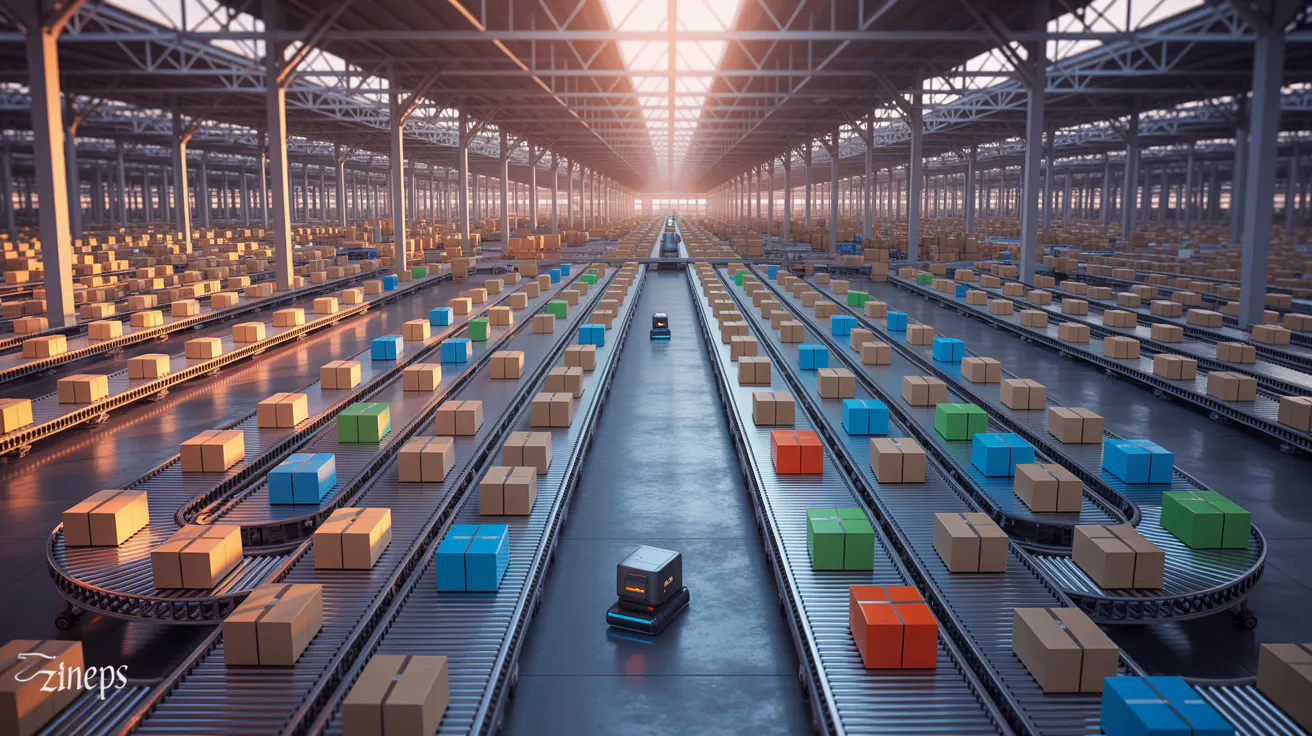
De Magazijnbeslissing: Waarom E-Commercebedrijven Eerst Verzending Moeten Regelen Voordat Ze Een Huurcontract Tekenen in 2026
De Magazijnbeslissing: Waarom E-Commercebedrijven Eerst Verzending Moeten Regelen Voordat Ze Een Huurcontract Tekenen in 2026
Bijna elke groeiende webshop komt op een gegeven moment op hetzelfde punt uit, meestal ergens tussen maand acht en maand achttien. De logeerkamer, garage of gehuurde unit die ooit ruim genoeg was voor de voorraad, staat nu tot aan het plafond vol, een familielid of de oprichter zelf staat om tien uur 's avonds nog pakketten in te pakken, en iemand in het team zegt eindelijk hardop wat iedereen al dacht: misschien wordt het tijd voor een magazijn. Dat instinct klopt, maar de vraag wordt op het verkeerde niveau gesteld. De eerste vraag is niet hoeveel vierkante meter je nodig hebt. Het is of je verzendorganisatie een magazijn eigenlijk wel kan dragen zodra je er een hebt.
Bij Zineps werken we met e-commercebedrijven en logistieke partners door heel Europa die precies deze overgang doormaken, en het patroon dat we het vaakst zien is een bedrijf dat het ruimteprobleem oplost en drie maanden na het tekenen van een nieuw magazijncontract ontdekt dat het echte knelpunt nooit vierkante meters was. Het waren de vervoerderskoppelingen, het gebrek aan zicht op tarieven en de manier waarop bestellingen daadwerkelijk van een schap naar een voordeur gaan. Een magazijn nemen zonder die laag eerst op orde te brengen, verplaatst de chaos alleen naar een groter gebouw.
Waarom Deze Beslissing in 2026 Minder Foutmarge Kent
Twee marktkrachten botsen op dit moment, waardoor de magazijnbeslissing minder vergevingsgezind is dan een paar jaar geleden. Aan de ene kant is de Europese logistieke vastgoedmarkt flink krapper geworden. Leegstandspercentages in de belangrijkste logistieke markten zijn richting en onder de 5 procent gezakt op weg naar 2026, met drukke corridors zoals Brussel-Antwerpen die dichter bij 2 procent zitten, en e-commercebedrijven zijn inmiddels goed voor bijna een kwart van alle nieuwe magazijnverhuur nu het aandeel van online in de totale detailhandel blijft stijgen.
Aan de andere kant is uitbestede fulfillment een veel groter en geloofwaardiger alternatief geworden dan vijf jaar geleden. De wereldwijde markt voor derde partij logistiek (3PL) werd in 2024 geschat op ongeveer 1,1 biljoen dollar en zal naar verwachting groeien richting 1,9 biljoen dollar in 2030, sneller dan e-commerce zelf, doordat steeds meer merken fulfillmentcapaciteit liever huren dan zelf bezitten.
Leg deze twee feiten naast elkaar en de inzet van de magazijnbeslissing stijgt aan beide kanten. Magazijnruimte zelf is schaarser en duurder dan twee of drie jaar geleden, waardoor een verkeerde inschatting van vierkante meters een dure fout is om terug te draaien. Tegelijkertijd is 3PL-capaciteit ruim voorradig en steeds geavanceerder, wat betekent dat de argumentatie voor een eigen magazijn sterker moet zijn dan simpelweg uit je logeerkamer zijn gegroeid. De bedrijven die deze afweging in 2026 goed maken, vragen zich niet af hoeveel ruimte ze nodig hebben. Ze vragen zich af wat hun verzenddata daadwerkelijk vertelt, en laten dat antwoord de ruimtebeslissing sturen, niet andersom.
Vier Signalen Dat Het Een Verzendprobleem Is, Geen Ruimteprobleem
Signaal een: je leverbeloftes glijden weg terwijl er verder niets veranderd is
Als het bestelvolume maar bescheiden is gegroeid maar je percentage tijdige leveringen stilletjes daalt, ligt de oorzaak zelden bij de schappen. Meestal lopen bestellingen nog steeds via dezelfde ene of twee vervoerdersaccounts die je in jaar één hebt aangemaakt, zonder systeem dat live tarieven of doorlooptijden vergelijkt terwijl je pakketmix inmiddels is veranderd.
Signaal twee: niemand kan de werkelijke kostprijs van een zending noemen voordat de factuur binnenkomt
Een magazijn lost dit niet op. Als je team nog steeds een vast verzendkostenbedrag hanteert uit een spreadsheet van twee jaar geleden in plaats van de werkelijke kostprijs per pakket in realtime te zien, betekent een groter gebouw alleen dat je nu op grotere schaal aan het gokken bent.
Signaal drie: retouren komen sneller binnen dan wie dan ook ze kan verwerken
Retourvolume groeit doorgaans mee met bestellingen, maar de verwerkingscapaciteit voor retouren groeit zelden automatisch mee, tenzij iemand die bewust opbouwt. Als retourlabels, terugplaatsing in voorraad en terugbetaaltiming nog handmatig gaan, geeft een groter magazijn de achterstand alleen meer ruimte om zich uit te spreiden.
Signaal vier: je hebt al ja gezegd tegen een piekseizoen dat je huidige opzet niet aankan
Als afgelopen november laat op de avond bestellingen handmatig omgeleid moesten worden omdat één vervoerder de capaciteitsgrens raakte, is dat een gat in de verzendinfrastructuur, geen gat in de vloeroppervlakte. Een magazijn zonder uitwijkplan over meerdere vervoerders loopt volgende november exact tegen dezelfde muur aan, alleen nu met meer voorraad erachter.
De Fout: Vierkante Meters Oplossen Voordat Vervoerders Zijn Opgelost
De meest gemaakte misstap die wij zien, is een merk dat een magazijncontract of 3PL-contract tekent voordat het echt zicht heeft op de eigen verzendprestaties. Een 3PL-relatie in het bijzonder kan problemen stilletjes verbergen in plaats van oplossen. Pick, pack en verzending overdragen aan een partner zonder een gekoppelde, vervoerdersonafhankelijke verzendlaag erboven betekent dat je blind vertrouwt op de standaardvervoerderskeuzes van die partner, op de juistheid van hun facturen en op hun afhandeling van uitzonderingen, zonder onafhankelijke manier om dat te controleren. We hebben merken pas na maanden binnen een 3PL-contract laten ontdekken dat een aanzienlijk deel van hun pakketten standaard naar de duurste beschikbare dienst ging, simpelweg omdat niemand slimmere regels had ingesteld.
Dit is precies het gat dat de multi 3PL merken waarmee wij werken leren dichten, door verzendbeslissingen, tariefvergelijking en tracking onder eigen controle te houden, ook als pick en pack bij een partner ligt. Ons draaiboek over het verdelen van fulfillment over meerdere 3PL's zonder de controle te verliezen gaat dieper in op hoe die scheiding van verantwoordelijkheden in de praktijk hoort te werken.
Drie Wegen Naar Meer Fulfillmentcapaciteit, En Wat Elke Weg Werkelijk Vereist
Weg een: bouw je eigen magazijn
Dit geeft de meeste controle en, bij voldoende volume, de beste unit economics. Het vraagt ook de meeste verzenddiscipline vooraf, omdat je nu zelf verantwoordelijk bent voor elke vervoerdersrelatie, elke tariefonderhandeling en elk label. Merken die deze weg kiezen zonder eerst de vervoerderskeuze te automatiseren, bouwen vaak dezelfde handmatige gewoontes op grotere schaal opnieuw op, alleen nu met magazijnpersoneel wiens tijd veel te kostbaar is om aan verzendadministratie te verspillen. De krappe arbeidsmarkt in Europese magazijnen maakt die fout elk kwartaal duurder.
Weg twee: besteed uit aan één 3PL
Sneller op te starten en met minder commitment, maar het concentreert risico in de vervoerdersrelaties, systemen en prijsstelling van één partner. Deze weg werkt goed wanneer de verzenddata van de 3PL volledig zichtbaar voor je is en je eigen slimme regels nog steeds bepalen welke vervoerder welk pakket krijgt, in plaats van te accepteren wat de 3PL standaard kiest.
Weg drie: verdeel fulfillment over regio's of meerdere 3PL's
De meest veerkrachtige optie voor merken die in meerdere Europese markten verzenden, en steeds vaker de standaard voor wie naast de eigen webshop ook op meerdere marketplaces verkoopt. Het is ook de optie die het hardst faalt zonder gedeelde verzendlaag, omdat twee of drie fulfillmentpartners die elk hun eigen voorkeursvervoerder gebruiken stilletjes inconsistente leverbeloftes opleveren over je klantenbestand, tenzij iets daarboven de routeringsbeslissing consistent neemt.
Wat Verzendinfrastructuur Eerst In De Praktijk Echt Betekent
De verzendlaag eerst op orde brengen betekent niet dat groei wordt uitgesteld. Het betekent dat drie concrete zaken geregeld zijn voordat je iets tekent. Ten eerste, elke vervoerder die je redelijkerwijs zou kunnen gebruiken, of dat nu PostNL, DHL, DPD, GLS of UPS is, is via één systeem gekoppeld in plaats van vijf losse inlogs. Ten tweede, slimme verzendregels routeren elk pakket automatisch op basis van bestemming, gewicht, serviceniveau en kosten, in plaats van dat een persoon of de standaardlogica van een 3PL die keuze maakt. Ten derde, de werkelijke kostprijs en leverprestaties zijn per pakket in realtime zichtbaar, niet weken later gereconstrueerd uit een factuur.
Dit is de definitie waar wij elke dag vanuit werken, en het is waarom we Zineps het Besturingssysteem voor Zendingen noemen in plaats van een verzendtool. Onze gids over slimme verzendregels laat zien hoe die routeringslogica in de praktijk wordt opgebouwd, en ons overzicht van het verzendplatform behandelt de vervoerders- en tariefkant van hetzelfde systeem.
Vijf Vragen Om Te Beantwoorden Voordat Je Iets Tekent
Loop deze door voordat je je vastlegt aan een magazijncontract of een 3PL-contract:
- Zie je vandaag de werkelijke kostprijs per zending, of alleen een schatting uit een spreadsheet die niemand recent heeft bijgewerkt?
- Ben je gekoppeld aan meer dan één vervoerder per verzendcorridor, met tarieven die automatisch worden vergeleken in plaats van uit gewoonte gekozen?
- Zou een tweede fulfillmentlocatie of partner erbij betekenen dat je verzendopzet opnieuw gebouwd moet worden, of sluit het simpelweg aan op wat er al staat?
- Weet je, zonder het iemand te hoeven vragen, wat je retourverwerkingscapaciteit is bij het dubbele van het huidige volume?
- Als je belangrijkste vervoerder morgen een capaciteitsprobleem heeft, routeren bestellingen dan automatisch om, of moet iemand het opmerken en handmatig ingrijpen?
Als meer dan een van deze antwoorden nee is, dan is de meest urgente investering geen huurcontract. Het is de verzendlaag die ervoor zorgt dat welke ruimtebeslissing je hierna ook neemt, zich daadwerkelijk terugbetaalt.
Waar Zineps In Past
Zineps verbindt e-commercebedrijven, logistieke partners, vervoerders en fulfillmentproviders in één besturingslaag, waardoor de magazijn- of 3PL-beslissing een capaciteitsvraagstuk wordt in plaats van een systeemreorganisatie. Ons platform verzorgt multi carrier tariefvergelijking, slimme routeringsregels en realtime tracking over de grote Europese vervoerders, en koppelt native met order- en voorraadsystemen zoals GoedGepickt, winkelplatforms waaronder PrestaShop, en marketplaces zoals Kaufland, zodat een groeiend fulfillmentnetwerk niet betekent dat je je verzendlogica telkens opnieuw moet opbouwen. Voor merken die de personeels- en ruimtedruk voelen die nu in Europese magazijnen oploopt, is ons artikel over hoe die druk fulfillmentautomatisering afdwingt de moeite van het lezen waard naast dit artikel.
De Kern
Een magazijn, een 3PL-contract of een verdeling van fulfillment over meerdere regio's kunnen allemaal de juiste volgende stap zijn voor een groeiend e-commercebedrijf. Geen van alle lost een verzendoperatie op die nog steeds draait op één vervoerdersaccount en een spreadsheet. Regel eerst de verzendlaag goed, en de ruimtebeslissing die daarna volgt wordt veel goedkoper om goed te doen. Ontdek hoe het Zineps verzendplatform vervoerders, fulfillmentpartners en tariefbeslissingen samenbrengt op één plek, voordat je volgende huuronderhandeling begint, niet erna.