
Luchtvrachtcapaciteit in het Hoogseizoen Neemt Snel Af
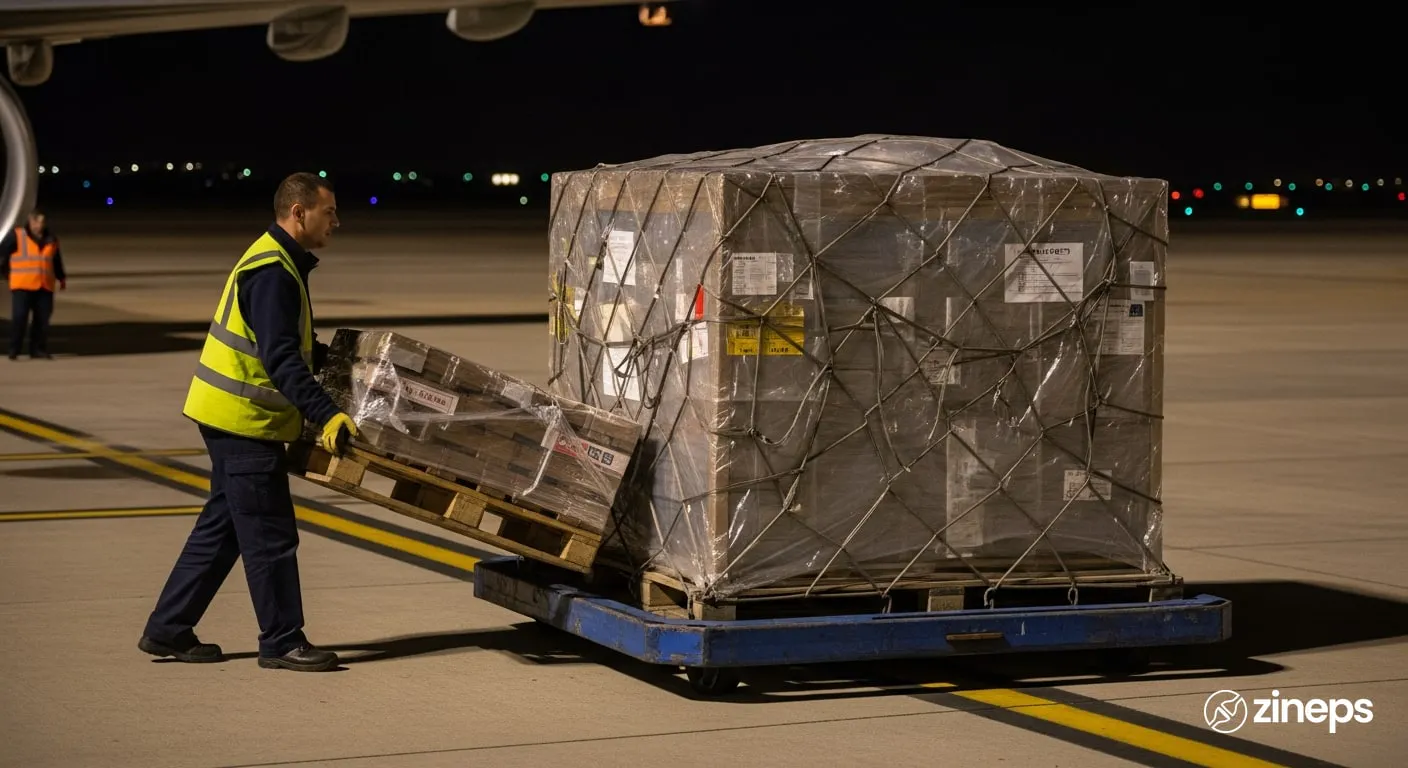
De luchtvrachtcapaciteit in het hoogseizoen wordt dit jaar eerder krap dan gebruikelijk, en de reden heeft weinig te maken met de feestdagenverkoop. Een golf aan AI-gerelateerde zendingen, servers, chips, netwerkapparatuur en andere datacenterhardware, vult de ruimte in vrachtruimen en vrachtvliegtuigen die normaal gereserveerd staat voor de herfstpiek van e-commerce. Voor elke operator die luchtvracht gebruikt om goederen snel over grenzen te verplaatsen, is die verschuiving de moeite van het volgen waard.
Volgens recente berichtgeving uit de luchtvrachtvakpers compenseren de sterk groeiende AI-gerelateerde zendingen de zwakkere consumenten-e-commercevraag in de luchtvrachtmarkt, terwijl analisten waarschuwen dat geopolitieke risico's alsnog een vroeg hoogseizoen kunnen veroorzaken. Tegelijkertijd vertonen de tarieven op sommige Azie-Europa routes tekenen van verzachting, een combinatie die tegenstrijdig klinkt totdat je bekijkt hoe capaciteit daadwerkelijk wordt toegewezen, route voor route en klant voor klant.
Voor e-commercebedrijven en de logistieke teams die hen ondersteunen is de conclusie niet dat dalende tarieven betekenen dat er niets aan de hand is. De onderliggende capaciteit wordt namelijk herverdeeld door een type verlader, kopers van AI-infrastructuur, waarmee de meeste retailers nog nooit hebben hoeven concurreren om vrachtruimte.
Wat er daadwerkelijk verandert in de luchtvrachtmarkt
Luchtvrachtcapaciteit schommelt altijd al mee met vraagcycli, maar de huidige cyclus kent een nieuwe variabele. Datacenteroperators, cloudproviders en chipfabrikanten verschepen enorme volumes aan hoogwaardige hardware door de lucht, omdat de urgentie van AI-infrastructuurprojecten weinig ruimte laat voor de langzamere zeetransit. Deze zendingen zijn waardevol, tijdgevoelig en vaak geboekt via langlopende vrachtvliegtuigcontracten in plaats van spotcapaciteit.
Dat is belangrijk omdat het bepaalt wie voorrang krijgt wanneer een vlucht vol zit. Een pallet servers voor een nieuw datacenter krijgt doorgaans een premietarief en een gegarandeerde plek. Een container seizoenskleding of elektronica-accessoires voor een e-commerce fulfilmentcentrum concurreert vaak om wat er nog over is op de spotmarkt, tegen de prijs die die markt op dat moment biedt.
Het resultaat is een markt waarin de belangrijkste tariefindexen op papier zacht kunnen ogen, wat een afname van de vraag van traditionele retailverladers weerspiegelt, terwijl de daadwerkelijk beschikbare capaciteit voor diezelfde verladers op specifieke routes stilletjes krimpt omdat AI-vracht de betrouwbare plekken als eerste heeft geclaimd.
Waarom een vroeg hoogseizoen de planningskalender verandert
Het hoogseizoen voor luchtvracht volgde traditioneel een voorspelbaar ritme: de vraag bouwt zich op vanaf eind zomer wanneer retailers voorraad aanvullen voor het feestkwartaal, de capaciteit wordt krapper in september en oktober, en de tarieven stijgen navenant. Verladers hebben geleerd om rond die curve te plannen.
Wat analisten nu signaleren is de mogelijkheid dat deze curve eerder aanbreekt, samengedrukt door AI-vrachtvolume dat het systeem nooit echt heeft verlaten na de rustigere maanden, in combinatie met geopolitieke risicofactoren die specifieke routes met weinig waarschuwing kunnen verstoren. Een vroeg hoogseizoen betekent dat het boekingsvenster dat operators normaal als buffer behandelen, de weken voor de traditionele drukte, mogelijk al verdwenen is.
Voor elk e-commercebedrijf dat luchtvracht behandelt als een flexibele, boek-wanneer-nodig-optie, verwijdert die samendrukking een veiligheidsmarge die vroeger standaard bestond.
Het mechanisme achter capaciteitstoewijzing
Vrachtvliegtuigcontracten versus spotboekingen
Grote verladers, waaronder kopers van AI-infrastructuur, verzekeren zich vaak van vrachtvliegtuigcapaciteit via langlopende chartercontracten of block-space-overeenkomsten die ruim van tevoren zijn onderhandeld. Dit legt ruimte vast, ongeacht kortetermijnschommelingen in de markt. E-commerceverladers vertrouwen daarentegen vaak op spotboekingen via expediteurs, wat inherent gevoeliger is voor last-minute beschikbaarheid en prijsschommelingen.
Vrachtruim versus toegewijde vrachtvliegtuigen
Een aanzienlijk deel van de wereldwijde luchtvracht reist nog altijd in de vrachtruimen van passagiersvliegtuigen. Wanneer de passagierscapaciteit op een route beperkt is, of dat nu door vraag, vliegtuigbeschikbaarheid of geschrapte routes komt, krimpt ook de ruimte voor vrachtruimlading, waardoor meer vracht terechtkomt op toegewijde vrachtvliegtuigen waar AI-verladers al voorrangscontracten hebben.
Waarom koptariefindexen misleidend kunnen zijn
Gepubliceerde luchtvrachttariefindexen zijn meestal gebaseerd op een gemiddelde over veel routes en zendingstypen, wat het verschil gladstrijkt tussen wat een verplichte AI-verlader betaalt onder een langlopend contract en wat een retailverlader op de spotmarkt betaalt voor de ruimte die overblijft. Een logistiek team dat alleen naar de koptariefindex kijkt, kan verrast worden door de werkelijke prijs en beschikbaarheid op de ene route die er voor hun bedrijf daadwerkelijk toe doet.
De zakelijke impact voor e-commerce en grensoverschrijdende verkopers
Het praktische effect voor onlineretailers is tweeledig. Ten eerste worden de doorlooptijden voor via de lucht verzonden voorraad minder voorspelbaar, wat levertijdbeloftes, aanvulplanning en veiligheidsvoorraadbeslissingen bemoeilijkt. Ten tweede, wanneer er spotcapaciteit vrijkomt, kan die een scherpere prijspremie dragen dan in een normaal hoogseizoen, omdat deze concurreert tegen een basis van vastgelegde, hoogwaardige AI-vracht in plaats van een puur seizoensgebonden retailpiek.
Grensoverschrijdende e-commerceverkopers, die vaak juist op luchtvracht vertrouwen omdat deze sneller is dan zeevracht voor tijdgevoelige categorieen, zijn het meest kwetsbaar. Een merk dat elektronica-accessoires, mode of snel bewegende consumentengoederen uit Azie inkoopt voor Europese of Noord-Amerikaanse fulfilmentcentra heeft minder eenvoudige alternatieven wanneer luchtroutes krapper worden.
Wat dit betekent voor Europese en Benelux e-commerce verkopers
Veel van de grootste e-commerce operators in Europa vertrouwen sterk op Azie-Europa luchtroutes naar hubs zoals Amsterdam Schiphol, Frankfurt en Luik om voorraad aan te vullen voor het Q4-winkelseizoen, van Black Friday tot de decemberpiek. Als AI-vracht in stilte vrachtvliegtuigcapaciteit naar diezelfde hubs claimt, kunnen Europese retailers krappere ruimte en stevigere prijzen zien op precies de routes waarvan ze het meest afhankelijk zijn, zelfs terwijl wereldwijde tariefgemiddelden rustig ogen.
Dit is nog belangrijker voor operators in de Benelux die luchtvracht gebruiken om de kloof te overbruggen tussen een snel bewegende producttrend en fysieke voorraad op de plank of in het fulfilmentcentrum. Een krappere Azie-Europa luchtcorridor verhoogt niet alleen de kosten, het kan direct bepalen of een retailer een trending product kan bemachtigen tijdens het korte venster waarin de consumentenvraag ernaar het hoogst is, voordat een concurrent met beter geboekte capaciteit er eerder bij is.
Wat operators nu moeten doen
De bedrijven die dit soort verkrapping met de minste verstoring doorstaan, zijn meestal degene die hun logistieke opties diversifieerden voordat ze het nodig hadden, niet erna. Een paar concrete stappen maken dat mogelijk.
- Boek luchtvrachtcapaciteit eerder dan de historische hoogseizoenkalender zou suggereren, en behandel de huidige omgeving als al krap in plaats van te wachten op bevestiging.
- Bouw relaties op met meer dan een vervoerder of expediteur per route, zodat een capaciteitstekort bij een partner een zending niet volledig vastzet.
- Evalueer sea-air of versnelde zeevrachtopties voor categorieen die een paar extra dagen kunnen verdragen, waardoor luchtcapaciteit vrijkomt voor echt tijdkritische SKU's.
- Volg route-specifieke capaciteits- en tariefsignalen in plaats van algemene wereldwijde indexen, aangezien het AI-vrachteffect per route ongelijk is.
- Bouw tariefmarge in bij landed-costprognoses voor het komende kwartaal, zodat een piek op de spotmarkt de margeaannames niet ondermijnt.
Veelgestelde vragen
Zullen luchtvrachttarieven zeker stijgen voor het traditionele hoogseizoen?
Niemand kan dat met zekerheid zeggen, en de huidige berichtgeving toont juist verzachtende tarieven op sommige Azie-Europa routes, ook al groeit het risico op een vroeg hoogseizoen. De veiligere aanname voor e-commerceverladers is dat capaciteit, niet de koptarieven, de echte beperking is om in de gaten te houden, aangezien een krappe route nog steeds een premie kan vragen terwijl bredere indexen rustig ogen.
Moeten e-commercemerken meer volume naar zeevracht verschuiven om dit risico te vermijden?
Voor niet-urgente categorieen is het zeker de moeite waard om dit nu al te testen, in plaats van tijdens een echte krapte. Maar zeevracht kan luchtvracht niet volledig vervangen voor tijdgevoelige aanvulling of voorraadtoezeggingen, dus is een bewuste mix meestal een betere strategie dan een volledige overstap.
Hoe helpt een multi-carrierstrategie daadwerkelijk bij dit capaciteitsrisico in de luchtvracht?
Een opzet met een vervoerder of expediteur betekent dat de capaciteitsbeperkingen van dat ene bedrijf jouw beperkingen worden. Door boekingen, en de onderliggende verzenddata en regels die deze ondersteunen, te spreiden over meerdere vervoerders en modaliteiten, krijgt een operator meer routes om een bepaalde zending te verplaatsen wanneer een route krapper wordt.
Raakt dit ook zeevracht, naast luchtvracht?
Niet rechtstreeks. Het beschreven AI-vrachteffect is specifiek voor luchtvracht, aangezien AI-infrastructuurzendingen snelheid prioriteren. Zeevracht kent zijn eigen, aparte capaciteits- en vraagdynamiek, al kan een langdurige verkrapping in de luchtvracht sommige categorieen e-commerceverladers ertoe aanzetten zeevracht of sea-air alternatieven te testen, wat op zijn beurt de vraag naar zeevrachtroutes indirect beinvloedt.
Dit gaat eigenlijk niet alleen over luchtvracht op zichzelf. Het gaat over wat er gebeurt wanneer een onderdeel van het netwerk van een verlader onder druk komt te staan en er geen alternatief klaarstaat om de schok op te vangen. Die flexibiliteit handmatig opbouwen, vervoerder voor vervoerder en route voor route, is precies het soort operationele last dat groeiende e-commercebedrijven vertraagt. Een logistieke infrastructuur waarmee een bedrijf vanuit een plek kan routeren via meerdere vervoerders en modaliteiten, in plaats van te vertrouwen op een relatie, is wat een capaciteitstekort zoals dit verandert van een crisis in een beheersbare aanpassing. Dat is de rol die Zineps speelt als Logistics OS voor e-commerce: operators de multi-carrierflexibiliteit geven om precies dit soort beperkingen te omzeilen voordat ze de klant bereiken.