
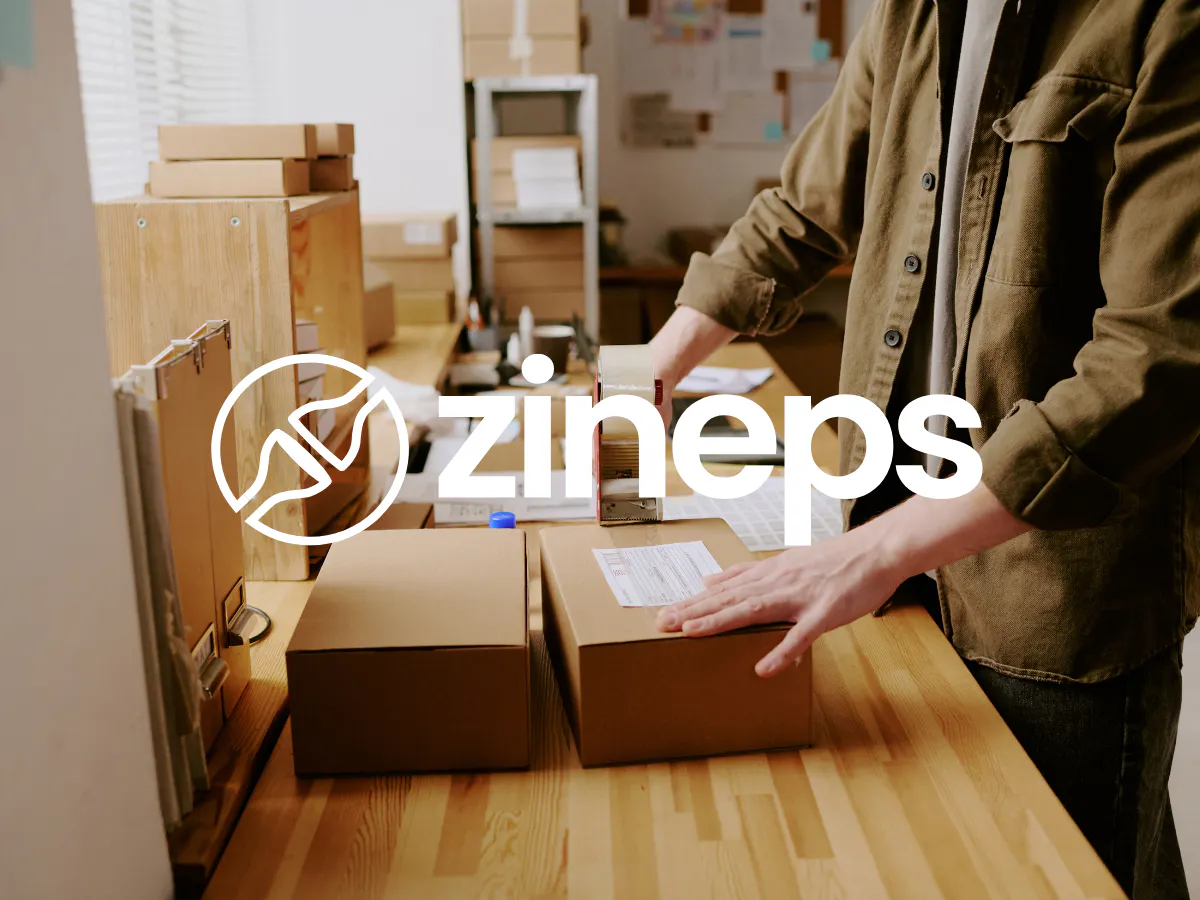
Retouren webshop beheren: zo maak je retourverwerking sneller en slimmer
Retouren horen bij e-commerce. Hoe goed je productpagina’s, verzending en klantenservice ook zijn, een deel van de bestellingen komt altijd terug. De echte vraag is daarom niet óf je retouren krijgt, maar hoe goed je ze verwerkt.
Voor veel webshops is retourverwerking nog steeds onnodig handmatig. Klanten mailen heen en weer, labels worden los aangemaakt, statussen staan verspreid over meerdere systemen en het team is te veel tijd kwijt aan uitzoeken wat waar hoort. Dat kost tijd, geld en zorgt vaak ook voor frustratie bij klanten.
Wie retouren webshop beheren serieus aanpakt, kan daar juist een sterk proces van maken. Met minder handmatig werk, meer overzicht en een betere klantervaring.
Kort antwoord
Retouren webshop beheren betekent dat je het volledige retourproces overzichtelijk en efficiënt inricht: van retouraanvraag en label tot statusupdates, verwerking en terugbetaling.
Voor groeiende webshops is een slim retourproces belangrijk omdat het helpt om:
- tijd te besparen
- fouten te verminderen
- retourkosten beter te beheersen
- klanten sneller duidelijkheid te geven
Waarom retouren beheren zo belangrijk is voor webshops
Retouren hebben direct invloed op je operatie én op je klantbeleving. Een rommelig retourproces zorgt niet alleen voor extra werk op de achtergrond, maar ook voor meer supportvragen, tragere verwerking en minder vertrouwen bij klanten.
Zeker voor webshops die dagelijks meerdere orders verwerken, wordt retourbeheer al snel een vast onderdeel van de operatie. Als dat proces niet goed staat, groeit de chaos mee met het ordervolume.
Retouren hebben impact op meer dan alleen logistiek
Een retour raakt meerdere onderdelen van je bedrijf:
- klantenservice
- magazijn of fulfilment
- voorraadbeheer
- terugbetalingen
- rapportage en analyse
Daardoor is retourverwerking niet iets dat je er “even bij doet”. Het moet een onderdeel zijn van je bredere verzend- en fulfilmentproces.
Wat gaat er vaak mis bij retourverwerking?
Veel webshops lopen tegen dezelfde problemen aan.
Geen centraal overzicht
Retouraanvragen komen binnen via e-mail, contactformulieren of losse berichten. Daardoor ontbreekt een duidelijk overzicht van open, verwerkte en afgeronde retouren.
Handmatige labels en statussen
Als labels handmatig worden aangemaakt en retourstatussen niet automatisch worden bijgewerkt, kost iedere retour onnodig veel tijd.
Trage communicatie met klanten
Klanten willen weten:
- is mijn retour ontvangen?
- wanneer krijg ik mijn geld terug?
- wat is de status van mijn retourzending?
Als die informatie niet direct beschikbaar is, leidt dat tot extra support.
Geen inzicht in retourdata
Zonder goede rapportage mis je waardevolle inzichten. Denk aan:
- hoeveel retouren je hebt
- welke producten vaak terugkomen
- hoe lang retourverwerking duurt
- welke kosten ermee gemoeid zijn
Hoe werkt een goed retourproces voor een webshop?
Een sterk retourproces is duidelijk, snel en zo veel mogelijk geautomatiseerd. Niet alleen voor je team, maar ook voor de klant.
1. De klant meldt de retour aan
De eerste stap is dat de klant eenvoudig een retour kan aanmelden. Idealiter gebeurt dit via een retourportaal of via een duidelijke workflow vanuit je webshop.
Daarmee voorkom je losse e-mails en handmatig uitzoekwerk.
2. Het juiste retourlabel wordt aangemaakt
Na de aanvraag moet snel een retourlabel beschikbaar zijn. Als dit automatisch kan, scheelt dat veel tijd en fouten.
3. De retourstatus wordt bijgehouden
Zodra de retour onderweg is of ontvangen wordt, wil je dat die status zichtbaar is voor zowel het team als de klant.
4. De retour wordt verwerkt in je operatie
Na ontvangst moet duidelijk zijn:
- welk order erbij hoort
- wat de reden van retour is
- of het product opnieuw verkocht kan worden
- of een terugbetaling of omruiling nodig is
5. Analyse en optimalisatie
Een goed proces stopt niet bij verwerking. De beste webshops gebruiken retourdata ook om hun operatie te verbeteren.
Wanneer wordt retourbeheer een probleem?
Veel webshops merken pas laat dat hun retourproces niet meer schaalbaar is. Meestal zie je dat aan een paar duidelijke signalen.
Je team besteedt te veel tijd aan retouren
Als retourverwerking dagelijks veel handmatig werk kost, is dat een duidelijk teken dat je proces te zwaar leunt op losse handelingen.
Klanten vragen vaak naar de status
Veel supporttickets over retouren betekenen meestal dat klanten te weinig inzicht hebben in het proces.
Je hebt geen overzicht
Als je niet snel kunt zien hoeveel retouren openstaan, welke retouren verwerkt zijn of waar vertraging ontstaat, mis je grip op je operatie.
Retouren vertragen je fulfilment
Een slecht ingericht retourproces heeft vaak ook impact op de rest van je logistiek.
Hoe kun je retouren webshop beheren zonder chaos?
De kern is eenvoudig: maak het proces centraler, duidelijker en slimmer.
Werk vanuit één platform
Hoe minder losse tools je gebruikt, hoe beter. Orders, retouren, labels en statussen moeten bij voorkeur vanuit één centrale omgeving beheerd worden.
Maak gebruik van een retourportaal
Een retourportaal geeft klanten een duidelijke route om hun retour aan te melden. Dat is sneller voor de klant en scheelt werk voor je team.
Automatiseer waar mogelijk
Denk aan:
- automatische labelgeneratie
- duidelijke retourstatussen
- tracking updates
- koppelingen met je webshop of logistieke systemen
Gebruik data om je retourproces te verbeteren
Zonder data blijft retourbeheer reactief. Met inzicht kun je patronen herkennen en je proces verbeteren.
Hoe helpt Zineps bij retouren beheren?
Zineps helpt e-commerce bedrijven om hun verzendingen en retouren vanuit één centrale omgeving te beheren. Dat is vooral waardevol voor teams die minder handmatig werk willen, maar wel meer controle willen houden over hun operatie.
Met Zineps kun je retourbeheer slimmer organiseren door:
- retouren centraal te beheren naast verzendingen en orders
- retourlabels efficiënter aan te maken
- status en verwerking overzichtelijk te houden
- integraties te gebruiken met je webshop en andere systemen
- retourprocessen beter schaalbaar te maken
Voor webshops die groeien is dat belangrijk, omdat retouren dan niet langer een los proces zijn, maar onderdeel van een bredere logistieke flow.
Wat maakt een goed retourproces klantvriendelijk?
Retourbeheer draait niet alleen om efficiëntie. Het is ook een belangrijk onderdeel van de klantervaring.
Een klantvriendelijk retourproces is:
- duidelijk
- snel
- transparant
- eenvoudig te volgen
Klanten hoeven niet alle interne stappen te kennen. Ze willen vooral weten wat ze moeten doen, waar hun retour is en wanneer het wordt afgehandeld.
Welke rol speelt een dashboard bij retourbeheer?
Een goed dashboard maakt retourbeheer veel overzichtelijker. Zeker als je meerdere orders, labels, retouren en integraties tegelijk beheert.
In een centrale omgeving zie je sneller:
- welke retouren openstaan
- wat al verwerkt is
- waar vertraging zit
- hoeveel labels en retouren er binnen een periode zijn verwerkt
Dat helpt niet alleen operationeel, maar ook strategisch. Je kunt sneller bijsturen en betere keuzes maken op basis van echte data.
Beste praktijken voor retouren webshop beheren
Maak retourvoorwaarden duidelijk
Klanten moeten vooraf weten hoe retouren werken. Dat voorkomt onduidelijkheid achteraf.
Houd het proces simpel
Hoe meer stappen, hoe groter de kans op fouten of afhakers.
Automatiseer terugkerende handelingen
Alles wat je team meerdere keren per dag herhaalt, is een kandidaat voor automatisering.
Verbind retouren met je bredere logistieke proces
Retouren staan niet los van orderverwerking, verzending en klantenservice. Hoe beter deze onderdelen samenwerken, hoe sterker je operatie wordt.
Veelgestelde vragen
Hoe beheer je retouren in een webshop?
De beste manier is via een duidelijk en centraal proces, bij voorkeur met een retourportaal, automatische labels en statusupdates.
Waarom is retourbeheer belangrijk voor e-commerce?
Omdat retouren invloed hebben op klanttevredenheid, operationele kosten en de efficiëntie van je fulfilment.
Wanneer moet je retouren automatiseren?
Zodra handmatige verwerking te veel tijd kost, je meer supportvragen krijgt of je webshop groeit in ordervolume.
Wat is een retourportaal?
Een retourportaal is een omgeving waarin klanten hun retour eenvoudig kunnen aanmelden en volgen.
Kan Zineps helpen bij retourbeheer?
Ja, Zineps helpt webshops om verzendingen, retouren en logistieke processen vanuit één platform te beheren.
Klaar om retouren slimmer te beheren?
Ontdek hoe Zineps je helpt om verzendingen, retouren, labels en logistieke processen samen te brengen in één overzichtelijk platform.
👉 Bekijk het platform of neem contact op met het team van Zineps.